Ear Ringing Causes: 11 Reasons & When to Seek Help (2026 Guide)
This article is for informational purposes only. Always consult a qualified healthcare professional before starting any supplement or treatment.
This article contains affiliate links. We may earn a commission at no extra cost to you.
Quick Summary
What you’ll learn: Tinnitus affects 15-20% of adults, and understanding the root cause is essential for finding relief. This comprehensive guide explores 11 common causes of ear ringing—from noise exposure and medications to underlying health conditions—plus when to seek medical attention and natural support options. Whether your tinnitus is new or worsening, identifying the trigger is your first step toward quieter days.
If you’ve ever experienced that persistent ringing, buzzing, or whooshing sound in your ears that nobody else seems to hear, you’re far from alone. As a health writer with a background in integrative medicine, I’ve spoken with countless people who describe tinnitus as everything from a minor annoyance to a life-altering condition that affects their sleep, concentration, and mental health.
The good news? Understanding why your ears are ringing is often the key to finding relief. Think of yourself as a medical detective—once you uncover the underlying cause, you can take targeted action rather than simply masking the symptoms.
Let’s explore the many faces of tinnitus and help you identify what might be triggering your ear ringing.
What Causes Ringing in the Ears? (Understanding Tinnitus)
Tinnitus isn’t actually a disease—it’s a symptom. That’s an important distinction. When you hear ringing, buzzing, hissing, clicking, or roaring sounds that have no external source, your auditory system is sending signals to your brain that something is out of balance.
According to the National Institute on Deafness and Other Communication Disorders (NIDCD), approximately 15-20% of adults experience some form of tinnitus, with prevalence significantly higher among those over 60 years old.
The Two Main Types of Tinnitus
Subjective tinnitus is by far the most common form—only you can hear the sounds. This type typically stems from problems in your outer, middle, or inner ear, or from issues with the auditory nerves or the part of your brain that interprets sound signals.
Objective tinnitus is rare. Your doctor can actually hear this type during an examination. It’s usually caused by blood vessel problems, muscle contractions, or inner ear bone conditions.
Understanding which type you have—and more importantly, what’s causing it—is crucial for finding the right approach to relief.
11 Common Causes of Ear Ringing You Should Know
1. Noise-Induced Hearing Damage
This is the leading preventable cause of tinnitus. Exposure to sounds above 85 decibels—think concerts, power tools, firearms, or even prolonged headphone use at high volumes—can cause permanent hearing damage and tinnitus within just hours of exposure.
The damage occurs in the delicate hair cells of your inner ear (cochlea). Once these hair cells are damaged, they can send erratic electrical signals to your brain, which interprets them as sound.
2. Age-Related Hearing Loss (Presbycusis)
As we age, the structures in our inner ear naturally deteriorate. This gradual hearing loss often begins around age 60 and frequently accompanies tinnitus. The brain may “fill in” missing frequencies with phantom sounds.
3. Earwax Blockage
Sometimes the simplest explanation is the correct one. Excessive earwax can block your ear canal, causing pressure changes and irritation that trigger tinnitus. The good news? This cause is easily treatable by a healthcare professional.
4. Medications (Ototoxic Drugs)
Over 200 prescription and over-the-counter medications list tinnitus as a potential side effect. High doses of aspirin, certain antibiotics, diuretics, cancer medications, and some antidepressants can all trigger or worsen ear ringing.
5. High Blood Pressure and Cardiovascular Issues
Your ears are incredibly sensitive to blood flow changes. High blood pressure, atherosclerosis (hardening of the arteries), or turbulent blood flow near the ear can create a pulsatile tinnitus—a rhythmic whooshing that beats in time with your heart.
6. TMJ Disorders
The temporomandibular joint sits right next to your ear canal. Jaw problems, teeth grinding, or misalignment can create tension and nerve signals that your brain interprets as ear ringing. Many people don’t realize their jaw could be the culprit.
7. Head or Neck Injuries
Trauma to the head or neck can damage the inner ear structures, auditory nerves, or brain regions involved in hearing. Whiplash, concussions, and other injuries may trigger tinnitus that appears days or even weeks after the incident.
8. Meniere’s Disease
This inner ear disorder causes episodes of vertigo, fluctuating hearing loss, ear pressure, and tinnitus. It typically affects only one ear and can be quite debilitating during flare-ups.
9. Eustachian Tube Dysfunction
When the tubes connecting your middle ear to your upper throat become blocked or fail to open properly, it creates pressure changes that can cause muffled hearing and tinnitus. Allergies, sinus infections, and colds are common triggers.
10. Stress and Anxiety
The mind-body connection is powerful. Chronic stress doesn’t directly cause tinnitus, but it can significantly amplify your perception of it. Many people notice their tinnitus worsens during high-stress periods and improves when they’re relaxed.
11. Nutritional Deficiencies
Emerging research suggests that deficiencies in certain nutrients—including B vitamins, zinc, and magnesium—may contribute to tinnitus. These nutrients play crucial roles in nerve function and blood circulation to the inner ear. This is one reason why targeted supplements like Quietum Plus have gained attention for their approach to supporting auditory health through comprehensive nutritional support.
Risk Factors: Who Is Most Likely to Develop Tinnitus?
While anyone can develop tinnitus, certain factors significantly increase your risk:
Occupational Exposure
Musicians, construction workers, factory employees, military personnel, and anyone regularly exposed to loud noise face elevated risk. Even a single exposure to extreme noise (like an explosion) can cause immediate, permanent tinnitus.
Lifestyle Factors
- Smoking: Nicotine restricts blood flow to the delicate structures of the inner ear
- Excessive alcohol: Can affect blood pressure and neural function
- Caffeine: May worsen tinnitus in some individuals (though research is mixed)
- Poor sleep habits: Sleep deprivation amplifies tinnitus perception
Health Conditions
People with diabetes, cardiovascular disease, autoimmune disorders, and obesity have higher tinnitus rates. These conditions often affect circulation and nerve function—both critical for healthy hearing.
Gender and Age
Men are slightly more likely to experience tinnitus, possibly due to higher rates of occupational noise exposure. Risk increases substantially after age 60.
Age-Related Hearing Loss and Tinnitus Connection
The connection between aging ears and tinnitus deserves special attention, particularly for those in the 35-65 age bracket who may be noticing changes in their hearing.
As we age, several changes occur in our auditory system:
- Hair cell deterioration: The sensory hair cells in your cochlea don’t regenerate. Over decades of use, they gradually die off, reducing your ability to hear certain frequencies.
- Neural changes: The auditory nerve and brain regions involved in hearing may process signals differently as we age.
- Reduced blood flow: Circulation to the inner ear may decrease, affecting cellular health and function.
According to the Mayo Clinic, age-related hearing loss (presbycusis) commonly begins in the 60s, though some people notice changes earlier. When the brain no longer receives certain frequency inputs, it may generate phantom sounds to fill the gap—resulting in tinnitus.
This is why many experts recommend proactive auditory support as we age. Supplements designed to support healthy circulation and nerve function, such as Quietum Plus, aim to address these age-related factors through natural ingredients that support overall ear health.
Medication-Induced Tinnitus: Drugs That Can Cause Ear Ringing
Ototoxicity—the medical term for ear-damaging effects of certain substances—is more common than many people realize. If your tinnitus began after starting a new medication, there may be a connection.
High-Risk Medications Include:
NSAIDs and Aspirin High doses of aspirin (8-12 tablets daily) are well-documented tinnitus triggers. Regular NSAIDs like ibuprofen can also contribute, especially with prolonged use.
Certain Antibiotics Aminoglycosides (gentamicin, streptomycin) and some other antibiotics can damage inner ear structures. The risk increases with higher doses and longer treatment duration.
Loop Diuretics Medications like furosemide, used for heart failure and high blood pressure, can cause temporary or permanent tinnitus.
Chemotherapy Drugs Platinum-based chemotherapy agents (cisplatin, carboplatin) are known to affect hearing.
Quinine-Based Medications Used for malaria and leg cramps, these medications frequently cause tinnitus.
What to Do If You Suspect Medication-Induced Tinnitus
Never stop prescribed medications without consulting your doctor. Instead, schedule an appointment to discuss your symptoms. Your healthcare provider may be able to:
- Adjust your dosage
- Switch to an alternative medication
- Monitor your hearing more closely
When Ear Ringing Signals a Serious Medical Condition
While most tinnitus cases are benign, certain presentations require immediate medical evaluation.
Red Flags That Require Urgent Attention:
Sudden onset tinnitus in one ear only can indicate serious conditions including:
- Acoustic neuroma: A benign tumor on the auditory nerve
- Meniere’s disease: An inner ear disorder causing vertigo and hearing loss
- Vascular disorders: Including arteriovenous malformations or aneurysms
Pulsatile tinnitus (hearing your heartbeat in your ear) may suggest:
- High blood pressure
- Atherosclerosis
- Abnormal blood vessel formation
- Rarely, tumors affecting blood vessels near the ear
Tinnitus accompanied by:
- Sudden hearing loss
- Severe dizziness or vertigo
- Facial weakness or numbness
- Severe headache
- Confusion or cognitive changes
These combinations warrant emergency evaluation to rule out stroke, brain tumors, or other serious neurological conditions.
When to See a Doctor About Your Tinnitus
Beyond the emergency situations described above, you should schedule an appointment with your healthcare provider if:
- Your tinnitus develops after an upper respiratory infection and doesn’t improve within a week
- You experience hearing loss alongside tinnitus
- Your tinnitus is significantly affecting your sleep, concentration, or mental health
- You’re experiencing dizziness or balance problems
- Your tinnitus is getting progressively worse
- You’ve had tinnitus for more than two weeks without improvement
What to Expect at Your Appointment
Your doctor will likely:
- Review your medical history and current medications
- Perform a physical examination of your ears, head, and neck
- Conduct hearing tests (audiometry)
- Possibly order imaging studies (MRI or CT scan) if they suspect structural issues
- Check your blood pressure and cardiovascular health
According to WebMD, getting a proper diagnosis is essential because treatment approaches vary dramatically depending on the underlying cause.
How Quietum Plus Addresses Root Causes of Ear Ringing
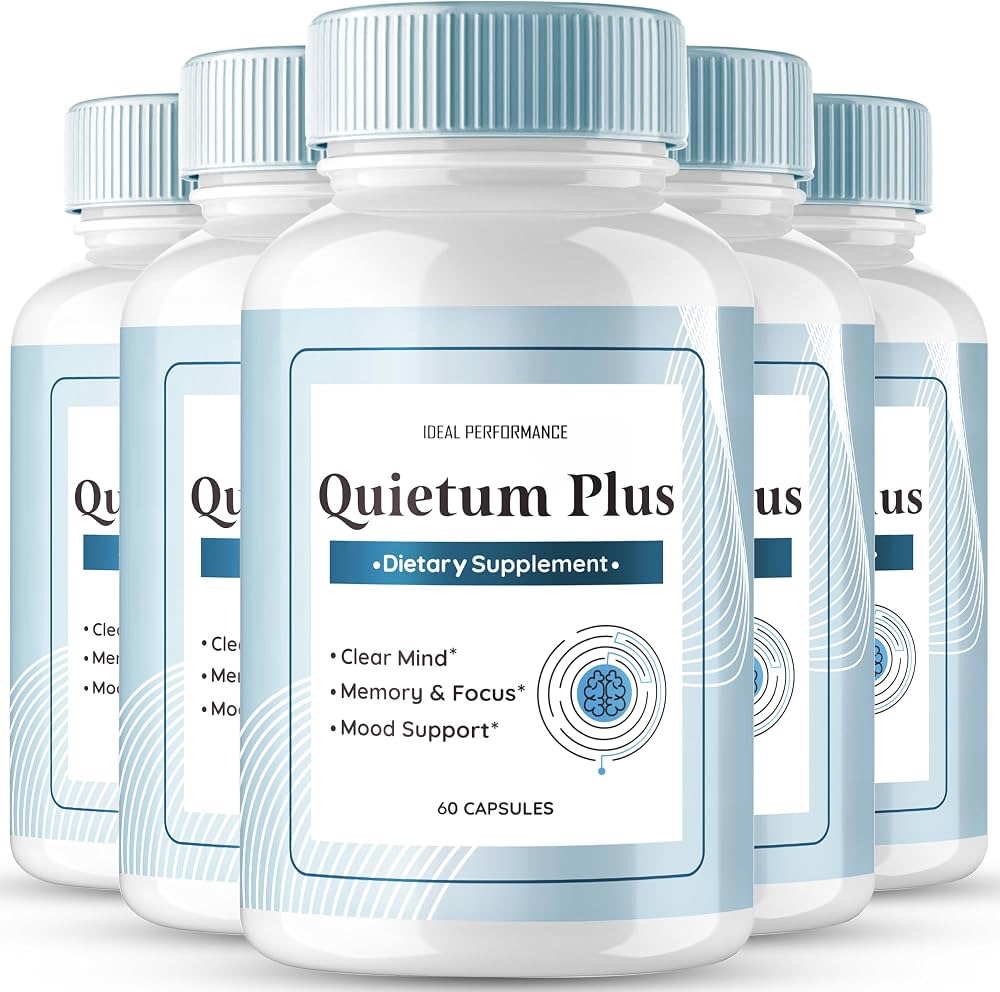
When lifestyle modifications and medical treatments aren’t providing sufficient relief, many people explore natural supplement options to support their auditory health.
Quietum Plus is a dietary supplement formulated specifically to address several potential root causes of ear ringing through a blend of natural ingredients.
How It Works
The formula targets multiple pathways that may contribute to tinnitus:
Nutritional Support: Contains vitamins and minerals that play roles in nerve function and cellular health, addressing potential deficiencies linked to tinnitus.
Circulation Support: Includes ingredients traditionally used to support healthy blood flow, which is crucial for delivering oxygen and nutrients to the delicate inner ear structures.
Neural Support: Features compounds that may support the health of the auditory nerve and brain pathways involved in hearing.
Antioxidant Protection: Provides antioxidants that may help protect ear structures from oxidative stress and free radical damage.
Important Considerations
It’s essential to have realistic expectations. While many users report positive experiences with Quietum Plus, supplements work differently for different people. They’re not a replacement for medical treatment of underlying conditions, and results may take time.
That said, for those looking to support their auditory health naturally while addressing potential nutritional factors, Quietum Plus offers a comprehensive approach worth considering.
Natural Relief Options: Comparing Top Tinnitus Supplements
When exploring natural support for tinnitus, understanding your options helps you make informed decisions.
| Approach | Pros | Cons | Best For |
|---|---|---|---|
| Quietum Plus | Comprehensive formula targeting multiple causes; natural ingredients; addresses nutritional gaps | Results vary; requires consistent use; not a quick fix | Those seeking holistic nutritional support for long-term auditory health |
| Single-Ingredient Supplements (Ginkgo, Zinc, B12) | Lower cost; can target specific deficiencies; easier to identify what’s working | May miss other contributing factors; requires multiple products | Those with confirmed specific deficiencies |
| Sound Therapy Devices | Immediate masking effect; non-invasive; various options available | Doesn’t address underlying causes; can be expensive; temporary relief only | Those needing immediate relief while addressing root causes |
| Prescription Medications | May be covered by insurance; medical supervision; can address specific conditions | Potential side effects; may not treat tinnitus directly; requires prescription | Those with underlying medical conditions causing tinnitus |
| Cognitive Behavioral Therapy | Addresses psychological impact; long-lasting results; no physical side effects | Requires time commitment; may need multiple sessions; doesn’t reduce tinnitus volume | Those whose tinnitus significantly impacts mental health |
The most effective approach often combines multiple strategies—addressing potential nutritional factors with supplements like Quietum Plus while also managing stress, protecting your hearing, and following your healthcare provider’s recommendations.
Prevention Tips: Protecting Your Ears from Tinnitus
Whether you’re trying to prevent tinnitus from developing or stop existing symptoms from worsening, these evidence-based strategies can help:
Protect Your Hearing
- Use ear protection at concerts, sporting events, when using power tools, or in any environment above 85 decibels
- Follow the 60/60 rule for headphones: no more than 60% volume for no more than 60 minutes at a time
- Take listening breaks to give your ears recovery time
- Move away from speakers at loud events
Support Cardiovascular Health
- Exercise regularly to promote healthy circulation
- Manage blood pressure through diet, exercise, and medication if prescribed
- Don’t smoke—or quit if you currently do
- Limit sodium intake to support healthy blood pressure
Reduce Stress
- Practice relaxation techniques like meditation, deep breathing, or yoga
- Get adequate sleep—aim for 7-9 hours nightly
- Address anxiety and depression with professional help if needed
Support Nutritional Health
- Eat a balanced diet rich in vitamins and minerals
- Consider targeted supplementation to address potential gaps
- Stay hydrated—proper hydration supports overall cellular function
- Limit caffeine and alcohol if you notice they worsen your symptoms
Be Medication-Aware
- Review all medications with your doctor, including over-the-counter drugs
- Report any new ear symptoms promptly when starting new medications
- Don’t exceed recommended doses of potentially ototoxic medications
Frequently Asked Questions
Can tinnitus go away on its own?
Yes, in many cases. Temporary tinnitus from noise exposure, earwax buildup, or infections often resolves once the underlying cause is addressed. However, chronic tinnitus lasting more than three months is less likely to disappear completely on its own, though it often becomes less noticeable over time as your brain adapts. This is called habituation, and various treatments can help speed this process.
What foods should I avoid if I have tinnitus?
While responses vary between individuals, many people report that certain foods worsen their tinnitus. Common triggers include excessive salt (which can affect blood pressure and fluid retention), caffeine, alcohol, and foods high in sugar or artificial sweeteners. Keeping a food diary can help you identify your personal triggers. Focus on an anti-inflammatory diet rich in fruits, vegetables, lean proteins, and whole grains to support overall ear health.
Is tinnitus a sign of hearing loss?
Often, yes. The two conditions frequently occur together, as damage to the inner ear structures can cause both symptoms simultaneously. However, you can have tinnitus without measurable hearing loss, and vice versa. If you’re experiencing tinnitus, it’s wise to have your hearing evaluated by an audiologist to establish a baseline and catch any hearing changes early.
Can supplements really help with tinnitus?
Some supplements may provide support for certain individuals, particularly when tinnitus is related to nutritional deficiencies, circulation issues, or oxidative stress. Research on supplements like Ginkgo biloba, zinc, B vitamins, and magnesium shows mixed but sometimes promising results. Comprehensive formulas like Quietum Plus aim to address multiple potential contributing factors simultaneously. While supplements aren’t a guaranteed cure, they may offer supportive benefits as part of a holistic approach to auditory health.
When should I be worried about ringing in my ears?
Seek immediate medical attention if your tinnitus is sudden-onset in one ear, pulsatile (beating with your heart), accompanied by sudden hearing loss, or occurs with neurological symptoms like facial weakness, severe headache, or confusion. Otherwise, schedule a routine appointment if tinnitus persists for more than two weeks, interferes with daily life, or progressively worsens. Early evaluation can identify treatable underlying causes and prevent potential complications.
Take the First Step Toward Quieter Days
Living with tinnitus can feel isolating and frustrating, but understanding the root causes of your ear ringing empowers you to take meaningful action. Whether your tinnitus stems from noise exposure, age-related changes, medication side effects, or nutritional factors, identifying the trigger is the essential first step toward finding relief.
While there’s no universal cure for tinnitus, many people find significant improvement through a combination of addressing underlying health issues, protecting their hearing from further damage, managing stress, and supporting their auditory system with proper nutrition.
If you’re looking for natural support to complement your tinnitus management plan, Quietum Plus is a comprehensive formula designed to support healthy hearing function through nutritional support for your auditory system.
Remember, you don’t have to navigate this journey alone. Work with your healthcare provider to rule out serious underlying conditions, and explore evidence-based strategies that address your specific situation. Quieter days may be closer than you think.
This article is for informational purposes only. Always consult a qualified healthcare professional before starting any supplement or treatment.
This article contains affiliate links. We may earn a commission at no extra cost to you.