
What Causes Arthritis? 7 Root Causes & Risk Factors in 2026
This article is for informational purposes only. Always consult a qualified healthcare professional before starting any supplement or treatment.
This article contains affiliate links. We may earn a commission at no extra cost to you.
📋 Quick Summary
Arthritis affects over 58.5 million American adults, but it’s not just an inevitable part of aging. The seven primary causes include chronic inflammation, autoimmune dysfunction, mechanical wear-and-tear, metabolic disorders, infections, genetic predisposition, and hormonal changes. Women are 60% more likely to develop rheumatoid arthritis, and occupational stress can increase osteoarthritis risk by 2-3x. Early intervention within the first two years of symptoms can significantly slow progression. Understanding these root causes empowers you to take proactive steps—through lifestyle modifications, proper medical care, and targeted nutritional support—to protect your joint health for years to come.
If you’ve recently noticed stiffness in your knees when climbing stairs, aching fingers first thing in the morning, or a persistent throb in your hip that just won’t quit, you’re not alone. And you’re probably asking yourself the same question millions of others are: Why is this happening to me?
The answer isn’t as simple as “you’re getting older.” While age plays a role, the causes of arthritis and joint pain run much deeper than most people realize—and frankly, deeper than many doctors have time to explain during a 15-minute appointment.
In this comprehensive guide, we’ll explore the seven root causes of arthritis that research has identified, unpack the risk factors that determine who develops joint problems, and most importantly, discuss what you can actually do about it. Because understanding why your joints hurt is the first step toward finding real relief.
Understanding Arthritis: More Than Just Aging
Let’s start by clearing up one of the biggest misconceptions about arthritis: it’s not simply the price we pay for living longer.
According to the Centers for Disease Control and Prevention (CDC), over 58.5 million US adults have doctor-diagnosed arthritis. Osteoarthritis—the most common form—affects 32.5 million Americans alone. But here’s what’s surprising: arthritis doesn’t discriminate by age. While prevalence increases with age, nearly two-thirds of people with arthritis are actually under 65 years old.
The word “arthritis” literally means “joint inflammation,” but it encompasses over 100 different conditions affecting the joints, surrounding tissues, and connective tissue throughout the body. The two most common types are:
- Osteoarthritis (OA): Often called “wear-and-tear” arthritis, though we now know it involves much more than mechanical breakdown
- Rheumatoid Arthritis (RA): An autoimmune condition where the body’s immune system attacks healthy joint tissue
What modern research has revealed—and what your doctor may not have fully explained—is that chronic inflammation from autoimmune responses, obesity, and gut health issues are now recognized as primary drivers of arthritis beyond simple mechanical wear-and-tear. This paradigm shift changes everything about how we approach prevention and treatment.
The 7 Primary Causes of Arthritis and Joint Pain
1. Chronic Systemic Inflammation
Inflammation is your body’s natural response to injury or infection. It’s protective in the short term. But when inflammation becomes chronic—lasting months or years—it turns destructive.
Chronic low-grade inflammation circulates throughout your body, attacking healthy tissues including the delicate cartilage and synovial membranes in your joints. This inflammatory cascade is driven by multiple factors:
- Poor diet high in processed foods, sugar, and omega-6 fatty acids
- Excess visceral fat (fat around your organs)
- Chronic stress
- Poor sleep quality
- Environmental toxins
The National Institutes of Health (NIH) has identified systemic inflammation as a unifying factor in multiple types of arthritis, not just autoimmune forms like rheumatoid arthritis.
2. Autoimmune Dysfunction
In autoimmune forms of arthritis—including rheumatoid arthritis, psoriatic arthritis, and lupus-related arthritis—your immune system mistakenly identifies your own joint tissue as foreign invaders and launches an attack.
This causes:
- Painful inflammation of the joint lining (synovium)
- Gradual destruction of cartilage and bone
- Systemic symptoms like fatigue, fever, and weight loss
Researchers believe autoimmune arthritis results from a combination of genetic susceptibility and environmental triggers, including infections, gut microbiome imbalances, and chronic stress.
3. Mechanical Wear-and-Tear
Yes, physical stress on joints does contribute to arthritis—but not in the simple way most people think.
Repetitive stress, joint injuries, and abnormal joint mechanics can damage cartilage over time. However, the body has remarkable repair capabilities. Problems arise when:
- Damage occurs faster than repair
- Inflammation impairs the repair process
- Nutritional deficiencies limit the body’s ability to regenerate cartilage
Joint injuries earlier in life—like ACL tears, meniscus damage, or fractures that affect joint surfaces—significantly increase arthritis risk decades later.
4. Metabolic Dysfunction and Obesity
Excess body weight is one of the most significant modifiable risk factors for osteoarthritis. But it’s not just about mechanical stress from extra pounds.
Fat tissue is metabolically active, producing inflammatory chemicals called adipokines that circulate throughout your body and damage joints—even joints that don’t bear weight, like your hands. This explains why overweight individuals have higher rates of hand arthritis, not just knee or hip arthritis.
Additionally, metabolic syndrome—characterized by high blood sugar, high blood pressure, and abnormal cholesterol—creates a pro-inflammatory state that accelerates joint destruction.
5. Genetic Predisposition
Your genes don’t determine your destiny, but they do influence your susceptibility. Researchers have identified over 100 genetic variants associated with different types of arthritis.
If you have a parent or sibling with arthritis, your risk increases. This is particularly true for:
- Rheumatoid arthritis (strong hereditary component)
- Ankylosing spondylitis
- Certain forms of osteoarthritis
However, genetics typically account for only 40-60% of risk. Environmental factors and lifestyle choices determine whether genetic predisposition actually manifests as disease.
6. Infections and Gut Health
The gut-joint axis is one of the most exciting areas of arthritis research in 2026. Your gut microbiome—the trillions of bacteria living in your digestive tract—profoundly influences immune function and inflammation throughout your body.
Dysbiosis (imbalanced gut bacteria) has been linked to:
- Increased intestinal permeability (“leaky gut”)
- Systemic inflammation
- Autoimmune activation
Certain infections can also trigger reactive arthritis, where joint inflammation develops weeks after a bacterial or viral infection elsewhere in the body.
7. Hormonal Changes
Hormones play a crucial role in joint health, which partly explains why arthritis affects men and women differently.
Estrogen has protective effects on cartilage and helps regulate inflammation. When estrogen levels decline during menopause, women become significantly more vulnerable to osteoarthritis. This hormonal shift contributes to the sharp increase in arthritis diagnoses among women in their 50s and 60s.
For men, declining testosterone levels with age may also contribute to joint problems, though the research is less extensive.
Risk Factors: Who Is Most Likely to Develop Arthritis?
Understanding your personal risk profile helps you take targeted preventive action. Here’s what increases your likelihood of developing arthritis:
| Risk Factor | Impact Level | Modifiable? |
|---|---|---|
| Age over 50 | High | No |
| Female gender | Moderate-High | No |
| Family history | Moderate | No |
| Previous joint injury | High | Partially |
| Obesity (BMI > 30) | Very High | Yes |
| Sedentary lifestyle | Moderate | Yes |
| Occupational joint stress | High | Partially |
| Smoking | Moderate | Yes |
| Poor diet | Moderate | Yes |
| Chronic stress | Moderate | Yes |
The good news? Many of the highest-impact risk factors are modifiable through lifestyle changes.
Age and Gender: How Demographics Affect Joint Health
The Age Factor
While arthritis can develop at any age, risk increases significantly after 45. Cartilage becomes less resilient, years of accumulated stress take their toll, and the body’s repair mechanisms slow down.
However, Mayo Clinic emphasizes that age-related changes don’t inevitably lead to arthritis. Many people maintain healthy joints into their 80s and beyond—suggesting that age creates vulnerability, but other factors determine whether disease actually develops.
The Gender Gap
The statistics are striking: women are 60% more likely to develop rheumatoid arthritis than men. Osteoarthritis also affects more women, particularly after menopause.
Several factors contribute to this disparity:
- Hormonal differences: Estrogen’s protective effects mean that declining levels increase risk
- Immune system differences: Women’s immune systems are generally more reactive, which provides better infection protection but increases autoimmune risk
- Anatomical differences: Women’s joint anatomy and biomechanics differ from men’s, potentially increasing stress on certain joints
Understanding these differences helps explain why personalized approaches to joint health are essential.
Lifestyle Triggers That Worsen Joint Pain
Even if you have genetic predisposition or other non-modifiable risk factors, lifestyle choices powerfully influence whether arthritis develops and how quickly it progresses.
Occupational Hazards
Jobs requiring repetitive motions, heavy lifting, prolonged kneeling, or squatting increase osteoarthritis risk by 2-3 times. High-risk occupations include:
- Construction work
- Farming
- Assembly line work
- Professional athletics
- Jobs requiring extensive keyboard use (hand/wrist arthritis)
If your job puts stress on your joints, ergonomic modifications and regular breaks become essential.
Dietary Triggers
The Standard American Diet—high in processed foods, refined sugars, and inflammatory fats—directly contributes to the chronic inflammation underlying arthritis. Specific triggers include:
- Excess sugar and refined carbohydrates
- Trans fats and excessive omega-6 fatty acids
- Processed meats
- Excessive alcohol
Conversely, anti-inflammatory diets rich in fatty fish, colorful vegetables, nuts, and olive oil have been shown to reduce arthritis symptoms and slow progression.
Sedentary Behavior
It seems counterintuitive, but rest isn’t always best for arthritic joints. Lack of movement leads to:
- Weakened muscles that normally support and protect joints
- Reduced synovial fluid production (your joints’ natural lubricant)
- Increased stiffness
- Weight gain that adds stress to joints
Low-impact exercise—swimming, cycling, walking, yoga—actually protects joints by maintaining strength, flexibility, and healthy cartilage.
Chronic Stress and Poor Sleep
Stress hormones like cortisol promote inflammation when chronically elevated. Poor sleep impairs tissue repair and amplifies pain sensitivity. Together, they create a vicious cycle that accelerates joint damage.
When to Seek Medical Help for Joint Pain
Not all joint pain signals arthritis, and not all arthritis requires aggressive treatment. However, certain symptoms warrant prompt medical evaluation:
- Joint pain lasting more than two weeks despite rest and over-the-counter remedies
- Morning stiffness lasting longer than 30 minutes
- Swelling, warmth, or redness around joints
- Joint pain accompanied by fever or unexplained weight loss
- Pain that disrupts sleep or daily activities
- Grinding or clicking sensations with movement
- Visible joint deformity or reduced range of motion
Early intervention within the first two years of symptoms can significantly slow disease progression and preserve joint function. This is particularly crucial for inflammatory types of arthritis like rheumatoid arthritis, where joint damage can occur rapidly without treatment.
Don’t dismiss joint pain as “just aging.” Early diagnosis and appropriate treatment can make the difference between maintaining an active lifestyle and losing mobility.
How to Address Root Causes Naturally
While medication plays an important role for many people with arthritis, addressing root causes through natural approaches can significantly improve outcomes—and may reduce reliance on pharmaceuticals.
Anti-Inflammatory Nutrition
Adopt a Mediterranean-style diet emphasizing:
- Fatty fish (salmon, sardines, mackerel) 2-3 times weekly
- Abundant colorful vegetables and fruits
- Nuts and seeds, especially walnuts
- Extra virgin olive oil
- Whole grains
- Legumes
Minimize processed foods, added sugars, and refined carbohydrates.
Strategic Movement
Exercise is medicine for arthritis—when done correctly:
- Low-impact aerobic activity: 150 minutes weekly (swimming, cycling, walking)
- Strength training: 2-3 sessions weekly to build joint-supporting muscles
- Flexibility work: Daily stretching or yoga
- Balance exercises: Especially important for preventing falls
Weight Management
Losing even 10-15 pounds can significantly reduce joint stress and inflammation. Each pound of body weight translates to roughly 4 pounds of pressure on knee joints during walking.
Stress Reduction
Incorporate stress-management practices:
- Meditation or mindfulness
- Deep breathing exercises
- Time in nature
- Social connection
- Adequate sleep (7-9 hours nightly)
Gut Health Support
Support your microbiome through:
- Probiotic-rich foods (yogurt, kefir, sauerkraut)
- Prebiotic fiber (garlic, onions, asparagus)
- Limiting antibiotic use when possible
- Reducing processed food intake
The Role of Supplements in Supporting Joint Health
While lifestyle modifications form the foundation of natural joint support, targeted supplementation can provide additional benefits—particularly when diet alone doesn’t supply optimal amounts of joint-supporting nutrients.
Key Joint-Supporting Compounds
Research has identified several natural compounds that may support joint health:
- Glucosamine and Chondroitin: Building blocks of cartilage that may support joint structure
- Omega-3 Fatty Acids: Anti-inflammatory fatty acids that may help reduce joint stiffness
- Turmeric/Curcumin: Potent anti-inflammatory compound studied extensively for joint health
- Collagen: Protein that provides structure to cartilage and connective tissue
- Boswellia: Herbal extract with traditional use for inflammatory conditions
- Vitamin D: Essential for bone health and immune function
Comparison: Approaches to Joint Support
| Approach | Pros | Cons |
|---|---|---|
| Lifestyle Changes Only | No cost, addresses root causes, improves overall health | Requires significant effort, slower results |
| Pharmaceuticals | Fast-acting, proven effective for symptom control | Side effects, doesn’t address root causes, ongoing costs |
| Single Supplements | Targeted approach, lower cost | May miss synergistic benefits, requires multiple products |
| Comprehensive Joint Formulas | Multiple mechanisms in one product, convenience | Higher cost than single supplements |
| Combined Approach | Addresses multiple factors simultaneously | Requires coordination, potentially highest cost |
Choosing Quality Supplements
The supplement market is crowded, making quality difficult to assess. Look for products that:
- Use clinically-studied ingredients at effective doses
- Provide third-party testing for purity
- Are manufactured in GMP-certified facilities
- Target multiple mechanisms of joint discomfort
One formula that has gained attention for addressing the root causes of joint inflammation is
. This comprehensive supplement combines multiple clinically-studied ingredients designed to support healthy inflammation response, cartilage integrity, and joint mobility. For those seeking a multi-faceted approach to joint support, it may be worth exploring.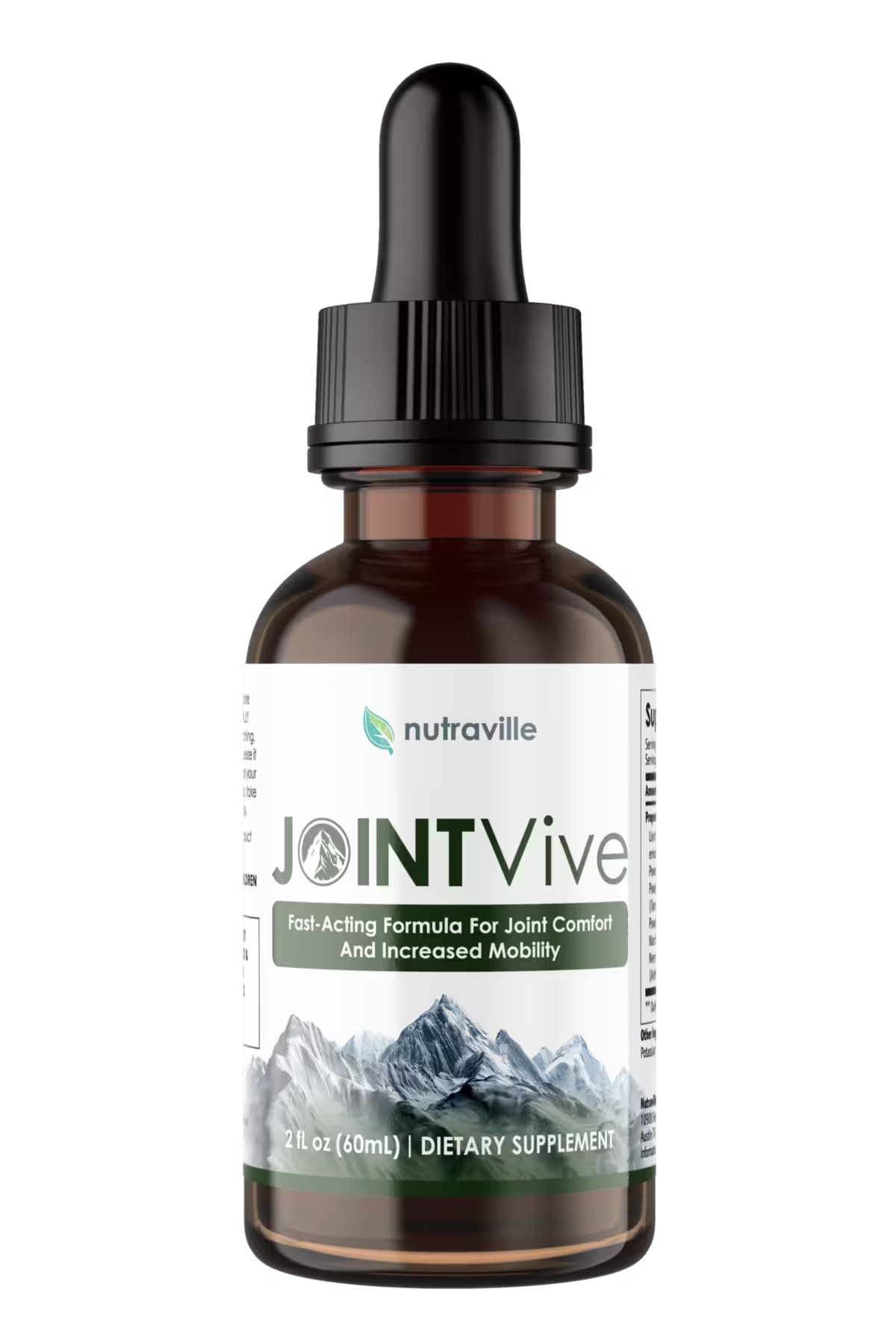
Important note: Supplements work best as part of a comprehensive approach that includes diet, exercise, and appropriate medical care. They’re not replacements for medication prescribed by your doctor, and results vary between individuals.
Frequently Asked Questions
What is the main cause of arthritis?
There isn’t a single main cause—arthritis results from multiple factors working together. The most common contributors include chronic inflammation, mechanical joint stress, autoimmune dysfunction, obesity, and genetic predisposition. For osteoarthritis, the combination of inflammation and cartilage breakdown is primary. For rheumatoid arthritis, autoimmune dysfunction drives the disease. Understanding your specific type of arthritis helps identify the most relevant causes for your situation.
Can arthritis be prevented?
While you can’t eliminate all risk—especially genetic factors—many cases of arthritis can be prevented or significantly delayed through lifestyle modifications. Maintaining a healthy weight, staying physically active, eating an anti-inflammatory diet, avoiding joint injuries, and not smoking substantially reduce risk. For those with genetic predisposition, these preventive measures become even more important.
At what age does arthritis usually start?
Osteoarthritis typically begins appearing in the 40s and 50s, with risk increasing each decade thereafter. However, it can develop earlier, especially following joint injuries. Rheumatoid arthritis most commonly develops between ages 30-60 but can start at any age, including childhood (juvenile arthritis). Early symptoms are often subtle and easily dismissed, which is why awareness of risk factors matters.
Does diet really affect arthritis?
Yes, research increasingly supports the diet-arthritis connection. Pro-inflammatory foods (processed foods, sugar, refined carbohydrates, excessive red meat) can worsen inflammation and accelerate joint damage. Conversely, anti-inflammatory foods (fatty fish, colorful vegetables, olive oil, nuts) may help reduce symptoms and slow progression. Some people also find that specific foods trigger flare-ups, though individual triggers vary.
How quickly does arthritis progress?
Progression varies enormously depending on arthritis type, treatment, and individual factors. Untreated inflammatory arthritis like rheumatoid arthritis can cause significant joint damage within months to years. Osteoarthritis typically progresses more slowly, often over decades. Early intervention within the first two years of symptoms can significantly slow progression for both types. Lifestyle factors, appropriate treatment, and nutritional support all influence how quickly—or slowly—the disease advances.
Take Control of Your Joint Health Today
Understanding the causes of arthritis and joint pain is empowering. You’re no longer at the mercy of vague explanations like “it’s just part of getting older.” You now know that chronic inflammation, metabolic dysfunction, gut health, hormonal changes, and lifestyle factors all play roles—and that many of these factors are within your control.
The research is clear: early, proactive intervention makes a measurable difference in outcomes. Whether you’re experiencing your first twinges of joint discomfort or managing a diagnosed condition, addressing root causes through nutrition, movement, stress reduction, and targeted supplementation can help preserve your mobility and quality of life.
If you’re looking for comprehensive nutritional support for your joints,
offers a science-based formula targeting multiple pathways of joint health. With clinically-studied ingredients designed to support healthy inflammation response and cartilage maintenance, it represents the kind of multi-mechanism approach that aligns with our modern understanding of arthritis.Your joints have carried you through life. With the right knowledge and support, they can continue carrying you through many more active, pain-free years to come.
References:
- Centers for Disease Control and Prevention (CDC). Arthritis-Related Statistics.
- National Institutes of Health (NIH). Inflammation in Arthritis.
- Mayo Clinic. Arthritis: Symptoms and Causes.