
📋 Quick Summary
Struggling to lose weight despite doing “everything right”? You’re not alone—and it’s probably not your fault. Research shows that metabolic slowdown, adaptive thermogenesis, and hormonal imbalances are the real culprits behind stubborn weight gain, especially after age 35. This article breaks down the hidden causes of weight resistance, who’s most at risk, when to see a doctor, and how modern weight loss supplements like VolcaBurn may help address these root causes when combined with healthy lifestyle habits.
If you’ve ever asked yourself “what’s stopping my weight loss?” while eating salads, hitting the gym, and counting every calorie—you’re not imagining things. And no, you’re not “broken.”
The frustrating truth is that traditional diet and exercise advice fails millions of people every year. Not because they lack willpower or discipline, but because their bodies are working against them in ways they don’t fully understand.
After years of research and thousands of clinical studies, we now know that weight loss resistance is a complex metabolic issue—not simply a matter of “calories in versus calories out.” And for adults over 35, the cards are increasingly stacked against them.
Let’s dive into what’s really stopping your weight loss, who’s most affected, and what science-backed solutions—including carefully formulated weight loss supplements—can actually help.
What’s Stopping Your Weight Loss? The Hidden Metabolic Causes
When patients come to me frustrated about their inability to lose weight, the first thing I tell them is this: your metabolism isn’t what it used to be—and that’s completely normal.
Your Metabolism Is Slowing Down (And It Started Years Ago)
Here’s a fact that surprises many people: metabolism naturally slows by 5-10% per decade after age 30, according to research published by the National Institutes of Health (NIH). That means if you’re 45, your body could be burning 15-20% fewer calories at rest than it did in your twenties—even if you weigh the same.
This metabolic decline happens because of:
- Loss of lean muscle mass (sarcopenia)
- Decreased mitochondrial efficiency (your cells’ energy factories)
- Hormonal shifts that affect how your body stores and burns fat
- Reduced physical activity levels (often unintentional)
The frustrating part? Most people don’t realize this is happening until they’ve gained 15-20 pounds and traditional dieting isn’t working anymore.
Adaptive Thermogenesis: Your Body Fighting Back
Perhaps the most insidious cause of weight loss plateaus is something called adaptive thermogenesis. According to research reviewed by the Mayo Clinic, 70% of weight loss plateaus are caused by this phenomenon, where your body actively reduces calorie burn in response to dieting.
Think of it as your body’s survival mechanism. When you cut calories, your metabolism doesn’t just slow down proportionally—it overcompensates, burning even fewer calories than expected to “protect” you from perceived starvation.
This explains why:
- The last 10-15 pounds are always the hardest to lose
- Weight loss slows dramatically after the first few weeks of a diet
- Many people regain weight even while maintaining a calorie deficit
Hormonal Chaos: The 60% Factor
Hormonal imbalances account for approximately 60% of unexplained weight gain cases in adults over 40, according to endocrinology research. The three biggest hormonal culprits are:
1. Insulin Resistance When your cells become resistant to insulin, your body stores more glucose as fat—particularly around the midsection. This creates a vicious cycle: more belly fat leads to more insulin resistance, which leads to more belly fat.
2. Cortisol Dysregulation Chronic stress keeps cortisol levels elevated, which directly promotes fat storage (especially visceral fat) and increases appetite for high-calorie foods. In our high-stress modern world, this affects more people than ever.
3. Thyroid Dysfunction Even subclinical hypothyroidism—where thyroid levels are technically “normal” but suboptimal—can significantly slow metabolism and make weight loss feel impossible.
Risk Factors That Make Weight Loss Nearly Impossible
Understanding your personal risk factors can help explain why weight loss has been so challenging—and what approaches might work best for you.
Age-Related Factors
- Being over 35: Metabolic decline accelerates
- Perimenopause and menopause: Dramatic hormonal shifts affect fat distribution and metabolism
- Andropause in men: Declining testosterone reduces muscle mass and metabolic rate
Lifestyle and Environmental Factors
- Chronic sleep deprivation: Just one week of poor sleep can reduce insulin sensitivity by 30% (per NIH research)
- High-stress careers or life circumstances: Elevated cortisol levels
- Sedentary work environments: 8+ hours of sitting daily
- History of yo-yo dieting: Each diet cycle can further damage metabolic function
- Exposure to endocrine disruptors: Chemicals in plastics, pesticides, and processed foods
Genetic and Medical Factors
- Family history of obesity or metabolic syndrome
- PCOS (Polycystic Ovary Syndrome)
- History of gestational diabetes
- Certain medications (antidepressants, corticosteroids, beta-blockers)
- Gut microbiome imbalances
The Compounding Effect
Here’s what makes this particularly challenging: these risk factors don’t exist in isolation. A 48-year-old woman going through perimenopause, working a stressful job, getting poor sleep, and having a history of multiple diets isn’t dealing with one problem—she’s dealing with a perfect storm of metabolic dysfunction.
This is precisely why simple “eat less, move more” advice fails so spectacularly for so many people.
Who Is Most Affected by Metabolic Weight Resistance?
While anyone can experience stubborn weight gain, certain populations are disproportionately affected:
Women Over 40
Hormonal fluctuations during perimenopause and menopause create significant metabolic challenges. Estrogen decline leads to:
- Increased fat storage around the abdomen
- Reduced muscle mass
- Changes in hunger hormones
- Sleep disturbances that further impair metabolism
Adults With Desk Jobs
Those who sit for 8+ hours daily experience:
- Reduced NEAT (non-exercise activity thermogenesis)
- Poor glucose metabolism
- Decreased circulation affecting fat mobilization
Former Athletes
Surprisingly, people who were very active in their youth often struggle more with weight in middle age. Their bodies were adapted to high caloric intake, and the sudden reduction in activity (while eating habits remain similar) leads to rapid weight gain.
Chronic Dieters
Repeated cycles of restriction and regaining—sometimes called “metabolic damage”—can leave the metabolism significantly impaired. Studies show that contestants from weight loss shows often have metabolisms burning 500+ fewer calories daily years after the show ended.
Those With High-Stress Lives
Caregivers, executives, healthcare workers, parents of young children—anyone under chronic stress is fighting an uphill battle against cortisol-driven weight gain.
Warning Signs: When Stubborn Weight Needs Medical Attention
While stubborn weight is often frustrating rather than dangerous, certain warning signs warrant a conversation with your healthcare provider:
See Your Doctor If You Experience:
- Unexplained weight gain of 10+ pounds in a short period
- Fatigue that doesn’t improve with adequate rest
- Hair loss or thinning (potential thyroid issue)
- Always feeling cold when others are comfortable
- Difficulty concentrating or “brain fog”
- Heavy or irregular periods
- Dark, velvety patches of skin (possible insulin resistance sign)
- Weight gain primarily in the face and upper back (potential cortisol issue)
- Depression or mood changes alongside weight gain
Tests to Consider Requesting:
- Complete thyroid panel (TSH, Free T3, Free T4, thyroid antibodies)
- Fasting insulin (not just glucose)
- Hemoglobin A1C
- Cortisol testing (morning cortisol or 4-point saliva test)
- Sex hormone panel (estrogen, progesterone, testosterone, DHEA)
- Vitamin D levels
- Complete metabolic panel
Many people are surprised to discover that underlying medical conditions have been sabotaging their weight loss efforts for years.
How Modern Weight Loss Supplements Address Root Causes
Let me be clear: no supplement is a magic pill that will melt fat away while you eat pizza on the couch. Anyone who tells you otherwise is lying.
However, high-quality weight loss supplements can serve as valuable tools that help address some of the root metabolic causes we’ve discussed—when combined with a healthy diet, regular movement, adequate sleep, and stress management.
What Quality Weight Loss Supplements Can Do:
Support Metabolic Rate Certain ingredients like green tea extract (EGCG), caffeine, and capsaicin have been shown in studies to modestly increase metabolic rate and fat oxidation. While the effect isn’t dramatic, even a 3-5% increase in daily calorie burn adds up over time.
Help Manage Appetite Some natural compounds help regulate hunger hormones, making it easier to maintain a calorie deficit without feeling constantly starving.
Support Healthy Blood Sugar Balance Ingredients like berberine, chromium, and cinnamon extract may help improve insulin sensitivity, addressing one of the key hormonal issues behind stubborn weight.
Combat Stress-Related Weight Gain Adaptogenic herbs like ashwagandha can help modulate cortisol response, potentially reducing stress-driven fat storage.
Enhance Energy and Motivation When metabolism slows, so does energy. Quality supplements can help support energy production at the cellular level, making it easier to stay active.
Disclosure: We may earn an affiliate commission if you purchase through our links, at no extra cost to you. Results vary. This supplement has not been approved by the FDA to treat, cure, or prevent any disease. Always consult your healthcare provider before starting any supplement. Individual results may vary. Available for purchase in the US and select international markets.
The VolcaBurn Approach
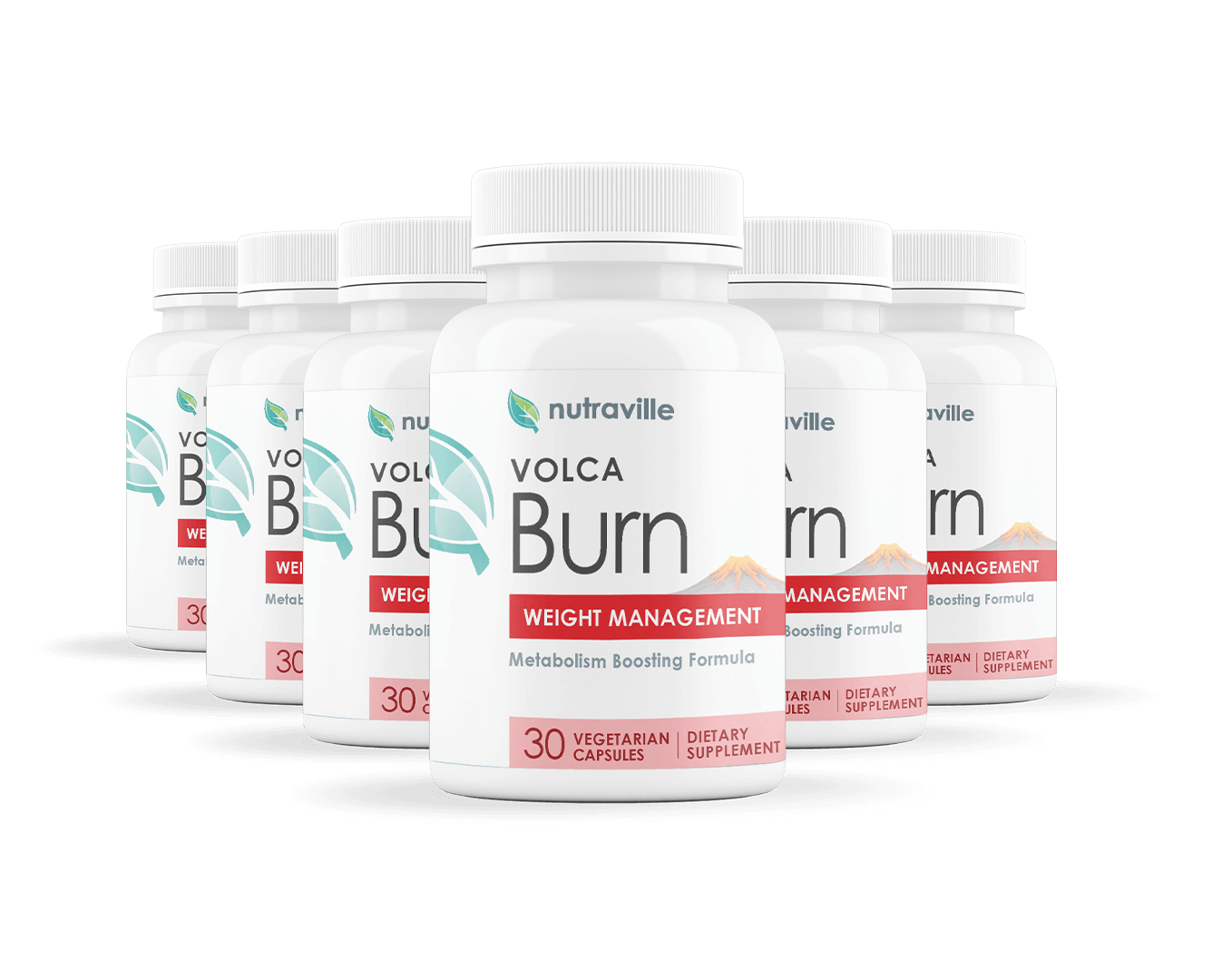
One supplement that’s generating significant interest in 2026 is VolcaBurn, which was formulated specifically to target multiple root causes of metabolic weight resistance.
Rather than relying on a single mechanism, VolcaBurn combines ingredients designed to:
- Support thermogenesis (heat-based calorie burning)
- Help optimize metabolic function
- Provide sustained energy without jitters
- Support healthy stress response
What makes this approach interesting is its recognition that stubborn weight isn’t caused by a single factor—so addressing multiple pathways simultaneously may yield better results than single-ingredient supplements.
What Supplements Cannot Do:
To be completely transparent, here’s what no supplement can do:
- ❌ Burn fat without any dietary changes
- ❌ Overcome a significant calorie surplus
- ❌ Replace medical treatment for serious conditions
- ❌ Work overnight or produce “instant” results
- ❌ Substitute for adequate sleep and stress management
The best weight loss supplements work as amplifiers of your healthy efforts—not replacements for them.
What’s Stopping Your Weight Loss: Which Supplement Targets Your Cause?
With thousands of weight loss supplements on the market, choosing the right one can be overwhelming. Here’s how different approaches compare:
| Approach | Primary Mechanism | Best For | Pros | Cons |
|---|---|---|---|---|
| Stimulant-Based Fat Burners | Increase heart rate, suppress appetite via caffeine/stimulants | Those who tolerate caffeine well, need energy boost | Fast-acting energy, appetite suppression | Jitters, sleep disruption, tolerance builds quickly, not suitable for those with anxiety or heart conditions |
| Thermogenic Supplements | Increase body temperature to burn more calories | Those with slow metabolism, cold sensitivity | Can boost calorie burn 3-5%, supports natural fat oxidation | Results are modest, some contain harsh stimulants |
| Appetite Suppressants | Reduce hunger signals | Emotional eaters, those who struggle with portion control | Can make calorie restriction easier | Doesn’t address root metabolic causes, some have concerning side effects |
| Blood Sugar Support Formulas | Improve insulin sensitivity, reduce carb cravings | Those with sugar cravings, belly fat, family history of diabetes | Addresses important root cause, generally well-tolerated | Slower results, best combined with low-carb approach |
| Multi-Pathway Formulas (like VolcaBurn) | Target multiple metabolic pathways simultaneously | Those with multiple contributing factors, comprehensive approach seekers | Addresses multiple causes, may provide synergistic benefits | More complex formulas, important to verify ingredient quality |
| Cortisol/Stress Support | Lower cortisol levels, reduce stress eating | High-stress individuals, those with belly fat accumulation | Addresses often-overlooked cause, supports overall wellbeing | Won’t help if stress isn’t a major factor, results take time |
How to Choose Based on Your Primary Cause:
If your main issue is low energy and slow metabolism: Look for thermogenic support with clean energy ingredients
If you can’t control cravings: Prioritize blood sugar support and appetite-regulating compounds
If stress is driving your weight gain: Focus on adaptogenic and cortisol-modulating ingredients
If you’re not sure (or it’s “all of the above”): A comprehensive multi-pathway formula like VolcaBurn may be your best starting point
Frequently Asked Questions
Why am I not losing weight even though I’m eating less and exercising more?
When you reduce calories significantly, your body triggers adaptive thermogenesis—a survival mechanism that slows your metabolism to conserve energy. Research shows this accounts for up to 70% of weight loss plateaus. Additionally, hormonal imbalances involving insulin, cortisol, or thyroid hormones can make weight loss extremely difficult regardless of your efforts. This is why addressing the root metabolic causes—through lifestyle changes and sometimes supportive supplements—is often more effective than simply cutting more calories.
At what age does metabolism really start to slow down?
Metabolism begins declining around age 30, slowing by approximately 5-10% per decade according to NIH research. By age 50, your body could be burning 20-30% fewer calories at rest than it did in your twenties. This decline is caused by loss of muscle mass, reduced cellular energy production, hormonal changes, and often decreased physical activity. However, this decline isn’t inevitable—strength training, adequate protein intake, quality sleep, and metabolic support can help preserve metabolic function.
Do weight loss supplements actually work, or are they a waste of money?
Quality weight loss supplements with evidence-based ingredients can provide modest but meaningful support—when combined with a healthy lifestyle. Studies show certain ingredients like green tea extract, caffeine, and thermogenic compounds can increase metabolic rate by 3-5% and support fat oxidation. However, supplements alone won’t produce dramatic results without dietary changes and physical activity. The key is choosing products with clinically studied ingredients, realistic expectations, and understanding that supplements are tools, not magic solutions.
How do I know if my weight gain is hormonal?
Several signs suggest hormonal involvement in weight gain: accumulating fat primarily around your midsection, unexplained fatigue, changes in mood or sleep patterns, irregular menstrual cycles, feeling cold all the time, hair thinning, or difficulty losing weight despite consistent effort. If you experience these symptoms, ask your doctor for comprehensive hormone testing including thyroid panel, fasting insulin, cortisol, and sex hormones. Hormonal imbalances account for roughly 60% of unexplained weight gain in adults over 40.
Can I reverse a damaged metabolism from years of dieting?
Yes, metabolic damage from chronic dieting can be improved, though it takes time and patience. Key strategies include: gradually increasing calories (reverse dieting), prioritizing strength training to rebuild muscle mass, ensuring adequate protein intake (0.7-1g per pound of body weight), optimizing sleep, managing stress, and supporting metabolic function with appropriate supplements. Most people see meaningful metabolic improvement within 6-12 months of consistent effort. The goal is to teach your body it’s safe to burn calories again.
Taking Action: Your Next Steps Toward Metabolic Recovery
If you’ve made it this far, you now understand something crucial: your struggle with weight loss isn’t a character flaw—it’s a metabolic challenge with real, identifiable causes.
The good news? Once you understand what’s actually blocking your progress, you can take targeted action to address it.
Here’s your action plan:
- Get tested – Talk to your doctor about comprehensive hormone and metabolic testing
- Prioritize muscle – Strength training is non-negotiable for metabolic health after 35
- Optimize sleep – Poor sleep sabotages every other effort
- Manage stress – Chronic cortisol elevation makes weight loss nearly impossible
- Consider targeted support – Quality supplements can address root causes traditional diets miss
If you’re looking for a comprehensive supplement that targets multiple metabolic pathways—addressing thermogenesis, energy production, and metabolic optimization simultaneously—VolcaBurn was specifically formulated with these root causes in mind.
* These statements have not been evaluated by the Food and Drug Administration. This product is not intended to diagnose, treat, cure, or prevent any disease.
Remember: the goal isn’t perfection. It’s progress. Your metabolism can improve. Your body can change. And with the right understanding and tools, you can finally break through the plateau that’s been holding you back.
You’ve got this.
References:
- National Institutes of Health (NIH): Age-related changes in metabolic rate
- Mayo Clinic: Breaking a weight-loss plateau
- WebMD: Thyroid disorders and weight management
This article is for informational purposes only. Always consult a qualified healthcare professional before starting any supplement or treatment.
This article contains affiliate links. We may earn a commission at no extra cost to you.