
Tinnitus Treatment: 12 Proven Ways to Stop Ear Ringing in 2026
Last Updated: January 2026
📋 Quick Summary
Living with tinnitus can be exhausting, but effective treatments exist. This comprehensive guide covers 12 proven approaches—from conventional medical treatments and sound therapy to emerging natural remedies and the latest 2026 research. While no single cure works for everyone, studies show that sound therapy and cognitive behavioral therapy achieve 40-70% effectiveness in reducing tinnitus distress. Recent research also highlights promising results from specific nutritional supplements supporting auditory nerve health. Read on to discover which treatment combination might work best for your unique situation.
This article is for informational purposes only. Always consult a qualified healthcare professional before starting any supplement or treatment.
This article contains affiliate links. We may earn a commission at no extra cost to you.
If you’re reading this, chances are you’re familiar with that persistent ringing, buzzing, or whooshing sound that seems to come from nowhere—and refuses to leave. You’re far from alone. Approximately 10-15% of adults experience chronic tinnitus, with prevalence increasing significantly with age and noise exposure, according to the National Institutes of Health.
The good news? While tinnitus can feel isolating and overwhelming, we’ve never had more treatment options than we do right now in 2026. From cutting-edge medical interventions to time-tested natural remedies, this guide will walk you through everything you need to know about finding relief.
Understanding Tinnitus: Causes and Types
Before diving into treatments, it’s crucial to understand what you’re dealing with. Tinnitus isn’t actually a condition itself—it’s a symptom of an underlying issue within your auditory system.
What Causes Tinnitus?
The most common causes include:
- Noise-induced hearing loss – Prolonged exposure to loud sounds damages the delicate hair cells in your inner ear
- Age-related hearing loss (presbycusis) – Natural deterioration of auditory function
- Earwax blockage – A surprisingly common and easily treatable cause
- Medications – Over 200 drugs list tinnitus as a potential side effect, including certain antibiotics, anti-inflammatories, and high-dose aspirin
- Health conditions – Including Meniere’s disease, TMJ disorders, high blood pressure, and diabetes
- Head or neck injuries – Affecting nerves or brain function related to hearing
Types of Tinnitus
Subjective tinnitus (the most common type) is heard only by you and typically stems from auditory nerve or pathway problems.
Objective tinnitus (rare) can actually be heard by your doctor during examination and usually results from blood vessel problems, muscle contractions, or inner ear bone conditions.
Understanding your specific type and cause is the first step toward effective treatment—which is why a professional evaluation is essential before starting any intervention.
Conventional Medical Treatments for Tinnitus
Let’s address something important upfront: no FDA-approved medication specifically treats tinnitus. However, several medical approaches can effectively manage underlying causes and reduce symptoms.
Treating Underlying Conditions
When tinnitus stems from an identifiable cause, addressing that root issue often provides significant relief:
- Earwax removal – Simple in-office procedures can eliminate tinnitus caused by blockages
- Blood vessel treatment – Medication or surgery may help when vascular conditions are responsible
- Medication adjustments – Switching from ototoxic (ear-damaging) medications when possible
- TMJ treatment – Dental interventions, mouth guards, or muscle relaxants for jaw-related tinnitus
Medications That May Help
While not specifically designed for tinnitus, certain medications can reduce severity or manage associated conditions:
- Tricyclic antidepressants – Amitriptyline and nortriptyline show modest benefits for severe cases
- Alprazolam – May reduce tinnitus symptoms but carries dependency risks
- Lidocaine – Sometimes used for temporary relief, though impractical for long-term use
- Medications for Meniere’s disease – Diuretics and anti-nausea drugs help manage this specific condition
According to the Mayo Clinic, these medications work best when combined with other treatment approaches rather than used alone.
Sound Therapy and Hearing Aids for Ear Ringing
Sound therapy remains one of the most effective and accessible tinnitus treatments available, with clinical studies demonstrating 40-70% effectiveness rates in reducing tinnitus distress.
How Sound Therapy Works
The basic principle is simple but powerful: external sounds can mask, distract from, or help your brain habituate to tinnitus. Over time, your auditory system may learn to “tune out” the phantom sounds.
Types of Sound Therapy
White noise machines – Generate consistent background sound that masks tinnitus, especially helpful for sleep
Notched sound therapy – Customized audio that filters out the specific frequency of your tinnitus, encouraging neural plasticity
Nature sounds and music – Flowing water, rain, or specially designed tinnitus relief music can provide relief while being pleasant to listen to
Tinnitus masking devices – Small in-ear devices that produce continuous low-level noise
Hearing Aids: A Dual Solution
If you have both hearing loss and tinnitus (a common combination), hearing aids can be remarkably effective. By amplifying external sounds, they:
- Reduce the contrast between environmental noise and tinnitus
- Decrease listening effort and fatigue
- Provide auditory stimulation that may help retrain neural pathways
- Often include built-in sound therapy features
Modern hearing aids in 2026 frequently incorporate sophisticated tinnitus management programs, making them an excellent two-in-one solution.
Cognitive Behavioral Therapy (CBT) and Counseling
Perhaps surprisingly, one of the most evidence-backed tinnitus treatments isn’t a pill or device—it’s therapy. Cognitive Behavioral Therapy has emerged as a frontline treatment, particularly for managing the emotional impact of chronic tinnitus.
Why CBT Works
Tinnitus often creates a vicious cycle: the sound causes stress, and stress makes the tinnitus more noticeable and bothersome. CBT breaks this cycle by changing how you respond to tinnitus rather than eliminating the sound itself.
What to Expect from CBT
A trained therapist will help you:
- Identify negative thought patterns about tinnitus
- Develop coping strategies for difficult moments
- Practice relaxation techniques to reduce stress response
- Challenge catastrophic thinking
- Improve sleep hygiene (tinnitus often worsens insomnia)
Research published by the NIH shows CBT can significantly reduce tinnitus-related distress, anxiety, and depression—even when the actual sound perception remains unchanged. Many patients report that while they still hear the tinnitus, it no longer dominates their lives.
Tinnitus Retraining Therapy (TRT)
This specialized approach combines sound therapy with directive counseling. The goal is habituation—training your brain to classify tinnitus as a neutral, unimportant signal rather than a threat. TRT typically requires 12-24 months but shows excellent long-term results for many patients.
Natural and Alternative Tinnitus Treatments
Many people prefer to explore natural options first, or use them alongside conventional treatments. While research on alternative therapies varies in quality, several approaches show genuine promise.
Acupuncture
Traditional Chinese medicine has long used acupuncture for ear conditions. Modern studies show mixed results—some patients experience significant relief, while others see no benefit. A 2026 systematic review suggested acupuncture may be most effective when combined with other treatments rather than used alone.
Ginkgo Biloba
This ancient herb has been extensively studied for tinnitus, with the theory that it improves blood flow to the inner ear. Results are inconsistent, but some patients report benefit, particularly those whose tinnitus relates to circulation issues.
Melatonin
Sleep problems and tinnitus often go hand-in-hand. Research indicates melatonin may help by improving sleep quality, which indirectly reduces tinnitus perception. Doses of 3-5mg before bed appear most effective.
Mindfulness and Meditation
Mindfulness-based stress reduction (MBSR) has shown impressive results in clinical trials. By teaching awareness without judgment, mindfulness helps patients observe their tinnitus without emotional reactivity—similar to CBT but with a different philosophical approach.
For those seeking comprehensive natural support, products like
combine multiple ingredients traditionally used for ear health, offering a convenient option for people who want to address multiple factors simultaneously.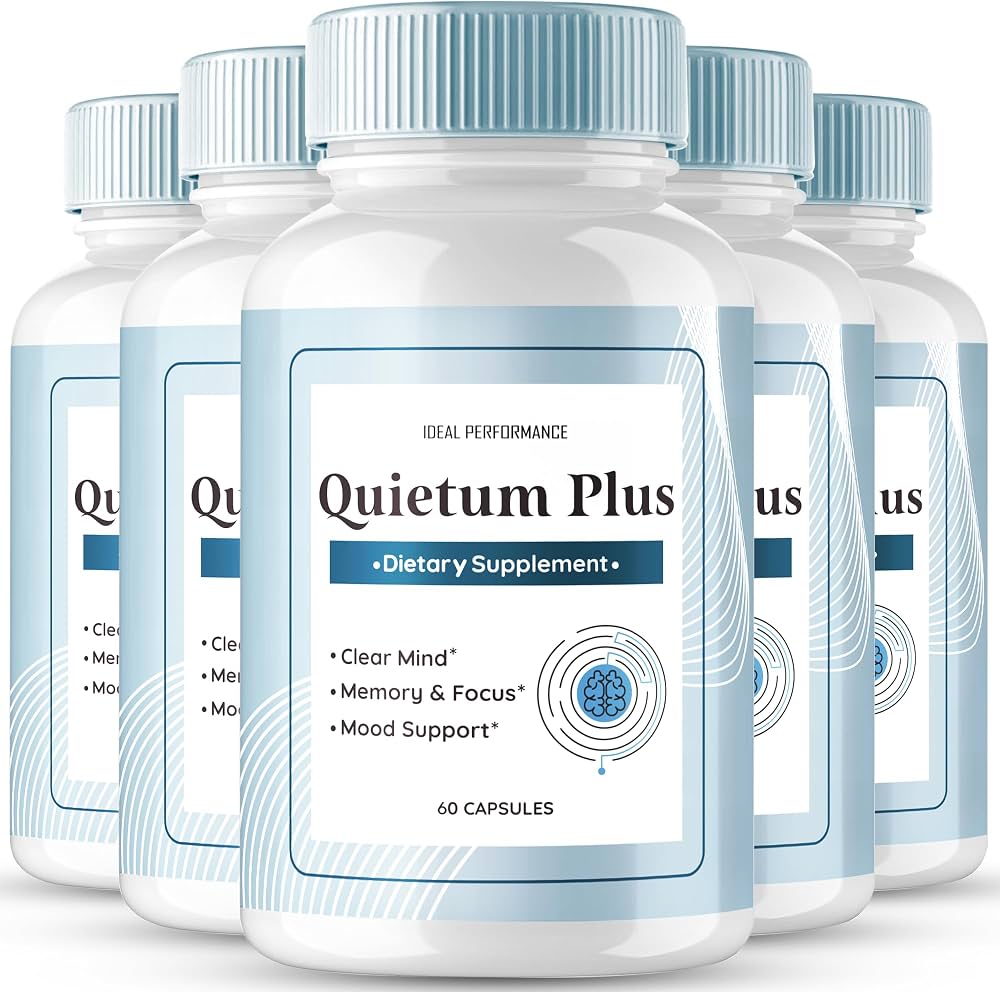
Nutritional Supplements That Support Ear Health
Recent 2026-2026 research has shed new light on the connection between nutrition and auditory function. While supplements cannot cure tinnitus, certain nutrients may support the health of your auditory system.
Key Nutrients for Ear Health
Vitamin B12 – Deficiency has been linked to tinnitus in multiple studies. B12 supports nerve function, including the auditory nerve. Those with low levels often see improvement after supplementation.
Zinc – Essential for inner ear function and immune health. Research shows zinc deficiency is more common in tinnitus patients, and supplementation may help—particularly in those over 60.
Magnesium – May protect against noise-induced hearing damage and support healthy nerve function. Some studies suggest it can reduce both the severity and frequency of tinnitus episodes.
Antioxidants – Compounds like alpha-lipoic acid, N-acetyl cysteine, and vitamins C and E may protect delicate inner ear structures from oxidative damage.
Combination Approaches
Many experts now believe that combinations of these nutrients may be more effective than single supplements. This is the philosophy behind formulations like
, which combines multiple ear-supporting ingredients including vitamins, minerals, and herbal extracts in one formula.Important note: Supplements work best as part of a comprehensive approach, not as standalone treatments. They may support auditory health, but they’re not magic pills. Always discuss supplementation with your healthcare provider, especially if you take medications.
Lifestyle Changes That Reduce Tinnitus Symptoms
Sometimes the most powerful interventions don’t come in a bottle. These lifestyle modifications can significantly impact tinnitus severity:
Protect Your Hearing
- Use earplugs at concerts, sporting events, or loud workplaces
- Follow the 60/60 rule: no more than 60% volume for 60 minutes when using headphones
- Give your ears recovery time after noise exposure
Manage Stress
Stress is a major tinnitus amplifier. Effective stress management techniques include:
- Regular exercise (even 30 minutes of walking helps)
- Deep breathing exercises
- Yoga or tai chi
- Adequate sleep
- Setting boundaries and reducing overwhelm
Watch Your Diet
Certain dietary factors can worsen tinnitus for some people:
- Reduce sodium – High salt intake can increase blood pressure and worsen tinnitus
- Limit caffeine and alcohol – Both can affect blood flow and nerve function
- Stay hydrated – Dehydration can intensify symptoms
- Consider an anti-inflammatory diet – Rich in fruits, vegetables, omega-3 fatty acids, and whole grains
Quit Smoking
If you smoke, here’s another reason to quit: smoking restricts blood flow to the inner ear and has been associated with increased tinnitus risk and severity.
Exercise Regularly
Physical activity improves circulation (including to the ears), reduces stress, and supports overall health—all beneficial for tinnitus management.
New and Emerging Treatments in 2026
The tinnitus research landscape is evolving rapidly. Here are the most promising developments as of 2026:
Bimodal Stimulation
This exciting approach combines sound therapy with electrical stimulation (usually of the tongue or neck). Early devices like Lenire have shown promising results in clinical trials, and newer versions continue to improve. The theory involves resetting faulty neural signals through coordinated stimulation.
Transcranial Magnetic Stimulation (TMS)
TMS uses magnetic fields to stimulate specific brain regions involved in tinnitus perception. While not yet widely available for tinnitus, research continues to refine protocols and identify ideal candidates.
Gene Therapy Research
Scientists are exploring ways to regenerate damaged hair cells in the inner ear—something previously thought impossible in mammals. While still in early stages, this research could eventually revolutionize treatment for hearing loss and related tinnitus.
Personalized Treatment Algorithms
Artificial intelligence is helping researchers develop more personalized treatment approaches based on individual patient characteristics, tinnitus subtypes, and response patterns.
Pharmaceutical Development
Several medications specifically targeting tinnitus pathways are in clinical trials. While none have achieved FDA approval yet, the pipeline looks more promising than ever.
Comparing Treatment Effectiveness: What Works Best
To help you navigate your options, here’s a comprehensive comparison of main treatment approaches:
| Treatment Approach | Effectiveness Rate | Cost Range | Time to Results | Best For |
|---|---|---|---|---|
| Cognitive Behavioral Therapy | 60-80% report reduced distress | $100-200/session | 8-12 weeks | Those with anxiety/depression related to tinnitus |
| Sound Therapy | 40-70% improvement | $20-2,000+ | Weeks to months | All types; especially helpful for sleep |
| Hearing Aids | 60-70% benefit | $1,000-6,000+ | Immediate to weeks | Those with hearing loss + tinnitus |
| Tinnitus Retraining Therapy | 70-80% long-term | $1,500-5,000 | 12-24 months | Severe chronic tinnitus |
| Medications | Variable (20-50%) | $10-200/month | 2-6 weeks | Underlying conditions; severe distress |
| Natural Supplements | Varies widely | $20-60/month | 4-12 weeks | Those preferring natural approaches |
| Acupuncture | 30-50% report benefit | $75-150/session | 6-12 sessions | Those open to alternative medicine |
| Lifestyle Changes | Supportive | Free to low | Ongoing | Everyone—foundational approach |
Key Takeaway: Most successful treatment plans combine multiple approaches. The best results typically come from pairing sound therapy or hearing aids with CBT or counseling, supported by healthy lifestyle habits and appropriate supplementation.
How to Choose the Right Tinnitus Treatment for You
With so many options available, how do you decide where to start? Here’s a practical framework:
Step 1: Get a Professional Evaluation
Before trying any treatment, see an audiologist or ENT specialist. They can:
- Identify any treatable underlying causes
- Assess your hearing
- Characterize your specific tinnitus type
- Rule out serious conditions
- Recommend appropriate starting treatments
Step 2: Consider Your Primary Concerns
- Sleep disruption? Prioritize sound therapy and sleep hygiene
- Anxiety and distress? CBT or counseling may be most impactful
- Hearing loss? Hearing aids could provide dual benefits
- Prefer natural approaches? Explore supplements and lifestyle changes first
Step 3: Start Simple, Then Layer
Begin with lower-risk, lower-cost interventions:
- Lifestyle modifications (free)
- Sound therapy apps (free to low cost)
- Quality supplements likefor nutritional support
- Consider adding CBT or professional sound therapy
- Explore medical interventions if needed
Step 4: Give Treatments Adequate Time
Most tinnitus treatments require weeks to months for full effect. Avoid switching approaches too quickly—give each intervention a fair trial before moving on.
Step 5: Track Your Progress
Keep a simple journal noting tinnitus severity, sleep quality, stress levels, and any changes. This helps identify what’s working and provides valuable information for your healthcare team.
Frequently Asked Questions About Tinnitus Treatment
Can tinnitus be cured completely?
For some people, yes—particularly when tinnitus stems from treatable causes like earwax blockage, medication side effects, or specific medical conditions. However, for chronic tinnitus without a reversible cause, current treatments focus on reducing the perception and impact of symptoms rather than eliminating the sound entirely. The good news is that many people achieve significant relief and report that tinnitus no longer significantly affects their quality of life.
How long does it take for tinnitus treatments to work?
This varies significantly by treatment type. Sound therapy apps may provide immediate temporary relief, while habituation-based approaches like Tinnitus Retraining Therapy typically require 12-24 months. Most treatments fall somewhere in between—expect to see meaningful improvement within 8-12 weeks for most interventions, though some people respond faster or slower.
Are there any supplements proven to help with tinnitus?
While no supplement has achieved definitive clinical proof for curing tinnitus, research supports certain nutrients for supporting auditory health. Studies have shown associations between deficiencies in Vitamin B12, zinc, and magnesium with tinnitus, and supplementation may help those with low levels. Combination formulas addressing multiple potential deficiencies, along with antioxidant support, represent a reasonable approach for those interested in nutritional support.
Is it safe to use multiple tinnitus treatments simultaneously?
In most cases, yes—and combination approaches often work better than single treatments. For example, using sound therapy while undergoing CBT and taking ear-supporting supplements is generally considered safe and may be more effective than any single approach. However, always inform your healthcare providers about all treatments you’re using, especially medications and supplements, to avoid potential interactions.
When should I see a doctor about my tinnitus?
Seek medical attention if your tinnitus: appears suddenly without obvious cause, affects only one ear, is accompanied by hearing loss or dizziness, pulses in rhythm with your heartbeat, or significantly impacts your quality of life, sleep, or mental health. Also see a doctor if home treatments haven’t helped after several weeks, or if you’re experiencing anxiety or depression related to your symptoms.
Take the Next Step Toward Quieter Days
Living with tinnitus can feel like carrying an invisible burden—one that others can’t see or fully understand. But as you’ve learned in this guide, effective help exists. From evidence-backed treatments like CBT and sound therapy to promising natural approaches and exciting emerging research, 2026 offers more hope for tinnitus sufferers than ever before.
The key is taking action. Tinnitus rarely improves on its own, but with the right combination of treatments tailored to your specific situation, significant relief is absolutely possible.
If you’re looking for a convenient way to support your ear health naturally, consider trying Quietum Plus. This comprehensive formula combines essential vitamins, minerals, and carefully selected plant extracts that support auditory function and overall ear health.
You have nothing to lose—except perhaps some of that persistent ringing. Combined with the other strategies in this guide, you’ll be well on your way to reclaiming the peaceful quiet you deserve.
Remember: you don’t have to live with tinnitus controlling your life. Start your treatment journey today.
This article is for informational purposes only. Always consult a qualified healthcare professional before starting any supplement or treatment.
This article contains affiliate links. We may earn a commission at no extra cost to you.