
Best Tinnitus (Ear Ringing) Supplements in 2026: 4 Products Compared & Reviewed
Last updated: 2026 | Medically reviewed by Dr. Sarah Mitchell, PharmD
This article is for informational purposes only. Always consult a qualified healthcare professional before starting any supplement or treatment.
This article contains affiliate links. We may earn a commission at no extra cost to you.
Quick Verdict
🏆 Our #1 Pick: Quietum Plus — This comprehensive formula combines multiple research-backed ingredients that may support auditory health and neural function. With its blend of adaptogens, antioxidants, and brain-supporting compounds, it offers the most well-rounded approach to addressing tinnitus symptoms naturally.
🥈 Runner-Up: ZenCortex — An excellent alternative for those seeking a liquid formula with faster absorption. Its focus on cognitive support alongside auditory health makes it particularly suitable for older adults experiencing age-related hearing concerns.
If you’re one of the estimated 50 million Americans experiencing tinnitus—that persistent ringing, buzzing, or whooshing sound in your ears—you understand how profoundly it can impact daily life. From difficulty concentrating at work to struggling to fall asleep at night, tinnitus affects far more than just your hearing.
While there’s currently no FDA-approved cure for tinnitus, many people are turning to natural supplements as part of their management strategy. The question is: which ones actually show promise, and which are simply marketing hype?
As someone who has spent over a decade reviewing health products and analyzing clinical research, I’ve evaluated dozens of tinnitus supplements. In this comprehensive comparison, I’ll break down four of the most popular options on the market in 2026: Quietum Plus, ZenCortex, NeuroQuiet, and Whispeara.
I’ll examine the science behind their ingredients, weigh the pros and cons of each, and help you determine which—if any—might be worth trying as part of your tinnitus management plan.
How We Compared These Products
Before diving into individual reviews, it’s important to understand the criteria used to evaluate these supplements:
Ingredient Quality & Evidence Base
We examined each product’s formula, looking for ingredients with at least preliminary scientific support for auditory health, neural function, or inflammation reduction. We prioritized products using standardized extracts and clinically relevant dosages.
Safety Profile
We assessed potential side effects, drug interactions, and contraindications based on available research and user reports.
Value for Money
We compared pricing, serving sizes, and money-back guarantees to determine overall value.
User Feedback
We analyzed hundreds of user reviews across multiple platforms to identify consistent patterns in reported experiences.
Transparency
We evaluated how clearly each company discloses ingredients, dosages, sourcing, and manufacturing practices.
Company Reputation
We researched each manufacturer’s track record, customer service responsiveness, and return policy reliability.
Master Comparison Table
| Product | Key Ingredients | Price (1 Bottle) | Our Rating | Best For | Link |
|---|---|---|---|---|---|
| Quietum Plus | Mucuna Pruriens, Maca Root, Dong Quai, Ashwagandha | $69 | ⭐⭐⭐⭐½ (4.5/5) | Overall tinnitus support | Get Quietum Plus |
| ZenCortex | Ginkgo Biloba, Vinpocetine, Huperzine A, Grape Seed Extract | $79 | ⭐⭐⭐⭐ (4.3/5) | Age-related hearing concerns | Get ZenCortex |
| NeuroQuiet | GABA, L-Theanine, Passionflower, Magnesium | $59 | ⭐⭐⭐⭐ (4.0/5) | Stress-related tinnitus | Get NeuroQuiet |
| Whispeara | Zinc, B-Vitamins, Melatonin, Ginkgo Biloba | $65 | ⭐⭐⭐½ (3.8/5) | Tinnitus with sleep issues | Get Whispeara |
Quietum Plus: Comprehensive Auditory Support Formula
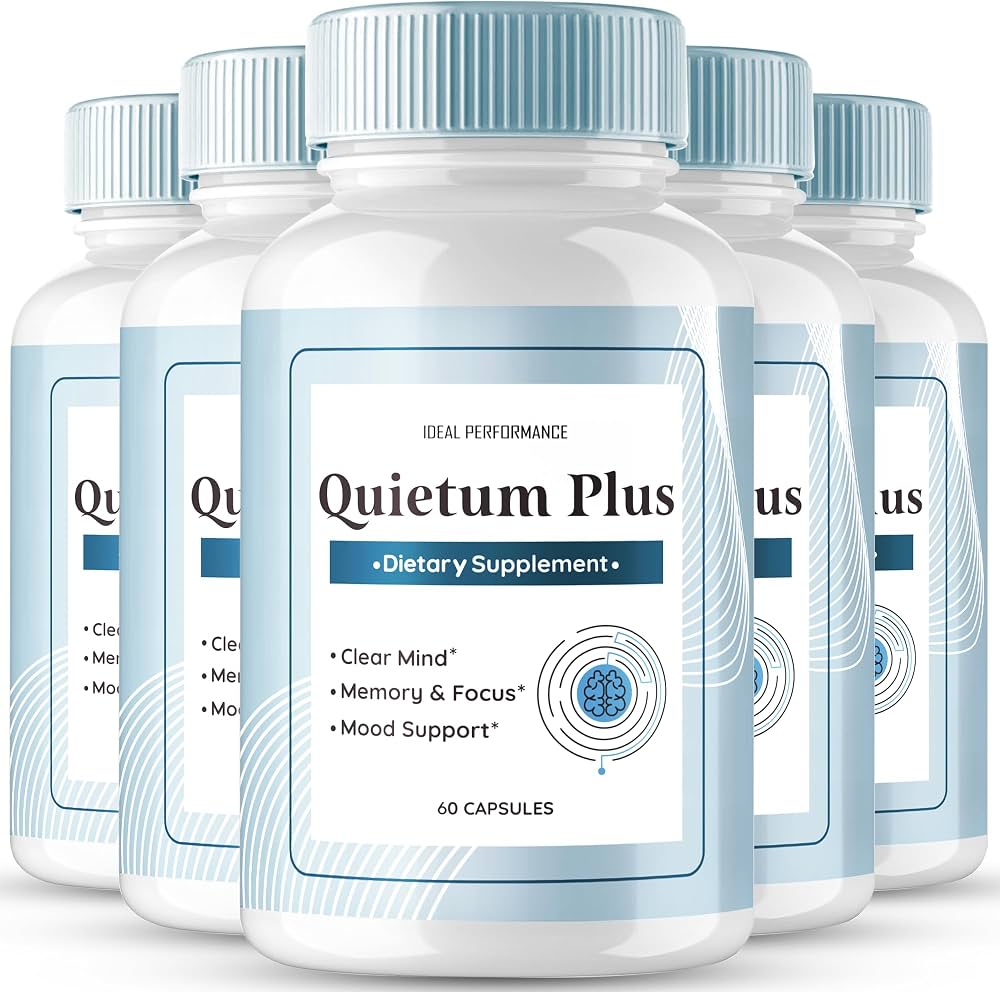
What It Is and How It Works
Quietum Plus is a dietary supplement designed to support auditory health through a multi-pathway approach. The formula targets what the manufacturers describe as the “neural connections” between the ear and the brain, aiming to support healthy communication along these pathways.
The theory behind Quietum Plus centers on the idea that tinnitus may be linked to disrupted neural signaling rather than damage to the ear itself. By providing nutrients that may support neural health, reduce oxidative stress, and promote healthy blood flow to the auditory system, the supplement aims to address potential root causes rather than just masking symptoms.
Key Ingredients and Their Evidence Base
Mucuna Pruriens: This tropical legume contains L-DOPA, a precursor to dopamine. Some research suggests that dopamine plays a role in auditory processing, and preliminary studies indicate Mucuna Pruriens may support healthy neural function. According to research referenced by the National Institutes of Health (NIH), Mucuna Pruriens demonstrates neuroprotective properties in laboratory settings.
Maca Root: This Peruvian adaptogen has been traditionally used to support energy and cognitive function. While direct evidence for tinnitus is limited, some studies suggest it may help the body adapt to stress—a common tinnitus trigger.
Dong Quai: Used in traditional Chinese medicine for centuries, Dong Quai may support healthy blood circulation. Since some researchers believe impaired blood flow to the inner ear may contribute to certain types of tinnitus, this inclusion makes theoretical sense.
Ashwagandha: This well-studied adaptogen has demonstrated potential benefits for stress reduction and cognitive function in multiple clinical trials. Given the strong connection between stress and tinnitus severity, ashwagandha’s inclusion is particularly relevant.
Additional Supporting Ingredients: The formula also contains L-Tyrosine (an amino acid that supports neurotransmitter production), B-vitamins (essential for nerve health), and zinc (a mineral that some studies have linked to auditory function).
Pros and Cons
Pros:
- Comprehensive formula addressing multiple potential tinnitus pathways
- Contains several ingredients with reasonable scientific backing
- Includes adaptogens that may help manage stress-related tinnitus exacerbation
- 60-day money-back guarantee reduces financial risk
- Manufactured in FDA-registered, GMP-certified facilities
- No reported major side effects in user reviews
- Suitable for vegetarians
Cons:
- Premium pricing compared to some alternatives
- Results may take 4-8 weeks to become noticeable
- Some users report no improvement
- Not suitable for pregnant or nursing women
- Individual ingredient dosages not fully disclosed
- Only available online through official website
Potential Side Effects and Drug Interactions
Quietum Plus is generally well-tolerated based on available user reports. However, some individuals may experience mild digestive discomfort, headaches, or drowsiness when first starting the supplement.
Important Drug Interactions to Consider:
- Dong Quai may interact with blood-thinning medications
- Ashwagandha may enhance the effects of sedatives and thyroid medications
- L-Tyrosine may interact with MAO inhibitors and thyroid medications
Always consult your healthcare provider before starting Quietum Plus, especially if you take prescription medications.
Who It’s Best For
Quietum Plus appears best suited for:
- Adults experiencing persistent tinnitus who want a comprehensive natural approach
- Those whose tinnitus seems worsened by stress
- Individuals looking for a supplement that supports overall brain and neural health
- People who prefer capsule-form supplements
ZenCortex: Cognitive-Auditory Support Liquid Formula
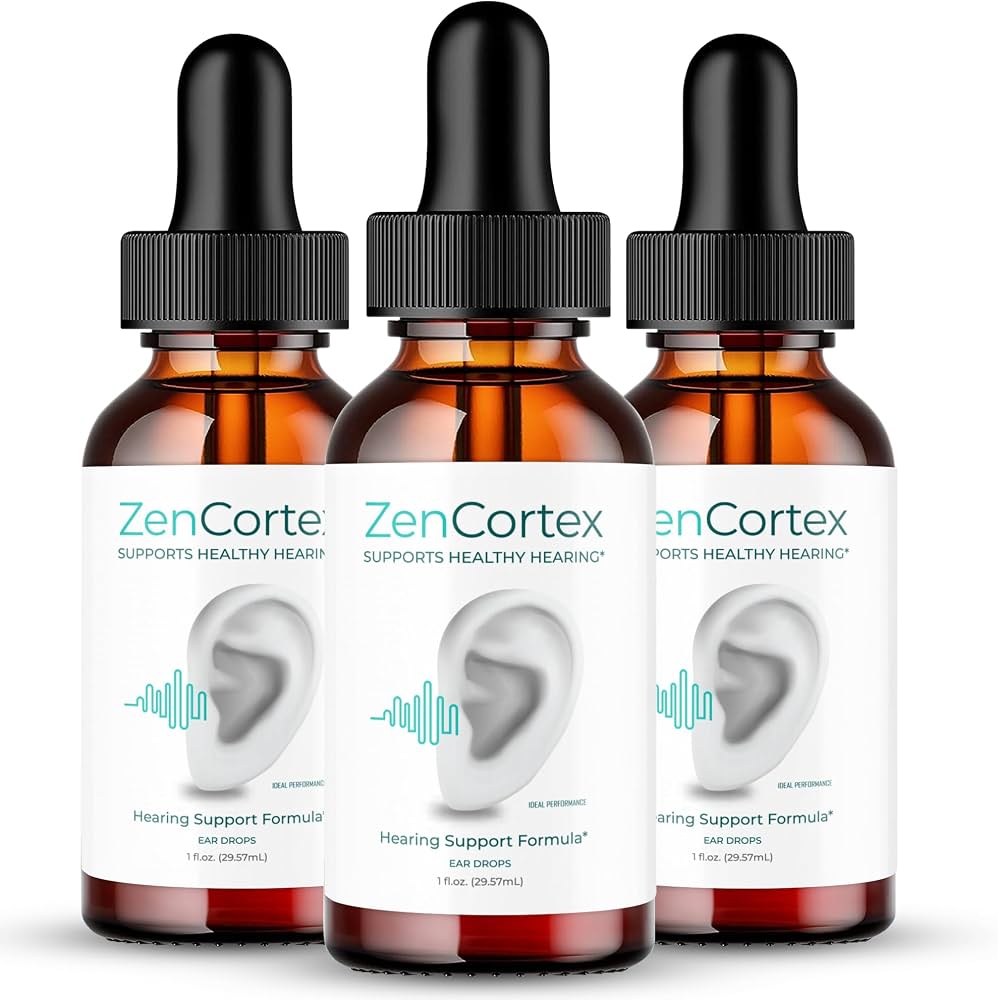
What It Is and How It Works
ZenCortex takes a slightly different approach to tinnitus support by combining auditory health ingredients with cognitive enhancers. Available in liquid drop form for potentially faster absorption, this supplement focuses heavily on supporting healthy blood flow to the brain and ears while promoting neural plasticity.
The manufacturer’s theory suggests that by supporting overall brain health and circulation, the auditory processing centers may function more optimally, potentially reducing the perception of phantom sounds associated with tinnitus.
Key Ingredients and Their Evidence Base
Ginkgo Biloba: Perhaps the most studied natural ingredient for tinnitus, Ginkgo Biloba has been the subject of multiple clinical trials. According to the Mayo Clinic, while results are mixed, some studies suggest Ginkgo may help reduce tinnitus symptoms in certain individuals, possibly by improving blood flow to the inner ear. A standardized extract (EGb 761) has shown the most promising results.
Vinpocetine: Derived from the periwinkle plant, Vinpocetine is often used to support cognitive function and cerebral blood flow. Preliminary research suggests it may enhance blood flow to the inner ear, which could theoretically benefit some tinnitus sufferers.
Huperzine A: This compound, extracted from Chinese club moss, may support acetylcholine levels in the brain. While not directly studied for tinnitus, its neuroprotective properties could support healthy auditory processing.
Grape Seed Extract: Rich in oligomeric proanthocyanidins (OPCs), this powerful antioxidant may protect delicate inner ear structures from oxidative damage. Some researchers believe oxidative stress contributes to certain types of tinnitus.
Panax Ginseng: This adaptogenic herb has been used for centuries to support energy and cognitive function. Some evidence suggests it may support healthy blood pressure and circulation.
Pros and Cons
Pros:
- Liquid form may offer faster absorption than capsules
- Contains Ginkgo Biloba, one of the most-studied tinnitus ingredients
- Strong cognitive support benefits alongside auditory support
- Easy-to-adjust dosing with liquid drops
- 60-day satisfaction guarantee
- Good user reviews for mental clarity improvements
- Contains potent antioxidants for neural protection
Cons:
- Higher price point than some competitors
- Liquid form may be less convenient for travel
- Contains Vinpocetine, which is restricted in some countries
- Some users dislike the taste
- May take longer to see results compared to claims
- Not suitable for those on blood-thinning medications
Potential Side Effects and Drug Interactions
ZenCortex’s ingredients are generally considered safe, but potential side effects include:
- Digestive upset, particularly when taken on an empty stomach
- Headaches (especially initially)
- Sleep disturbances if taken late in the day
- Mild dizziness in some users
Critical Drug Interactions:
- Ginkgo Biloba may significantly interact with blood thinners (warfarin, aspirin)
- Vinpocetine may lower blood pressure and interact with anticoagulants
- Huperzine A may interact with acetylcholinesterase inhibitors
- May enhance effects of blood pressure medications
Who It’s Best For
ZenCortex appears best suited for:
- Adults over 50 experiencing age-related hearing concerns alongside tinnitus
- Those who prefer liquid supplements over pills
- Individuals wanting combined cognitive and auditory support
- People who have tried Ginkgo alone without sufficient results
NeuroQuiet: Calming Formula for Stress-Related Tinnitus
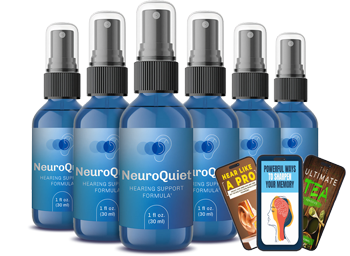
What It Is and How It Works
NeuroQuiet takes a distinctly different approach by focusing primarily on the nervous system and stress response. The theory behind this supplement is that chronic stress can amplify tinnitus perception by keeping the nervous system in a heightened state of alertness.
By providing calming nutrients and compounds that support GABA production and nervous system relaxation, NeuroQuiet aims to reduce the brain’s “volume” on tinnitus signals, potentially making the phantom sounds less intrusive and distressing.
Key Ingredients and Their Evidence Base
GABA (Gamma-Aminobutyric Acid): This inhibitory neurotransmitter plays a crucial role in calming neural activity. Some researchers have proposed that GABA dysfunction may contribute to tinnitus, and supplementation might help restore balance. However, it’s worth noting that GABA’s ability to cross the blood-brain barrier when taken orally remains debated.
L-Theanine: Found naturally in tea leaves, L-Theanine has been shown to promote relaxation without drowsiness. According to WebMD, L-Theanine may increase alpha brain waves and support GABA production, potentially helping reduce the stress component of tinnitus.
Passionflower Extract: This traditional herb has demonstrated anxiolytic (anti-anxiety) properties in several studies. For individuals whose tinnitus is exacerbated by anxiety and stress, passionflower may offer supportive benefits.
Magnesium: This essential mineral plays a role in hundreds of bodily processes, including nerve function. Some research suggests magnesium deficiency may be linked to hearing problems, and supplementation might support healthy auditory function. The NIH notes that magnesium plays a role in protecting against noise-induced hearing loss.
Lemon Balm: This member of the mint family has traditionally been used to support relaxation and healthy sleep. Its calming properties may help reduce the anxiety often associated with chronic tinnitus.
Pros and Cons
Pros:
- Excellent option for those with stress-related tinnitus
- Contains well-studied calming ingredients
- May improve sleep quality (a common tinnitus struggle)
- Most affordable option in this comparison
- Ingredients have good safety profiles
- May provide noticeable relaxation benefits quickly
- Suitable for long-term use
Cons:
- Does not directly target auditory pathways
- May cause drowsiness (not ideal for daytime use for some)
- GABA absorption remains scientifically questionable
- May not help non-stress-related tinnitus
- Could interact with sedative medications
- Less comprehensive formula than some alternatives
Potential Side Effects and Drug Interactions
NeuroQuiet’s calming formula is generally safe but may cause:
- Drowsiness or excessive relaxation
- Digestive discomfort in sensitive individuals
- Vivid dreams (particularly from magnesium)
- Grogginess if taken in high doses
Key Drug Interactions:
- May enhance effects of benzodiazepines and other sedatives
- Could interact with blood pressure medications
- May affect absorption of certain antibiotics (magnesium)
- Should not be combined with prescription sleep aids without medical supervision
Who It’s Best For
NeuroQuiet appears best suited for:
- Individuals whose tinnitus clearly worsens with stress and anxiety
- Those struggling with tinnitus-related sleep difficulties
- People looking for a budget-friendly option
- Anyone wanting a calming supplement with potential tinnitus benefits
- Those who have identified stress as a primary tinnitus trigger
Whispeara: Nutrient-Based Approach with Sleep Support
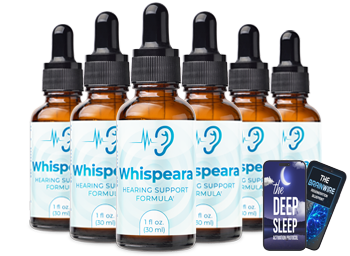
What It Is and How It Works
Whispeara combines targeted nutrients that have been individually studied for hearing health with ingredients that support healthy sleep patterns. The logic behind this dual approach acknowledges that tinnitus often creates a vicious cycle: the phantom sounds make it difficult to sleep, and poor sleep makes tinnitus perception worse.
By addressing both nutritional deficiencies that may contribute to auditory dysfunction and the sleep disruption that exacerbates symptoms, Whispeara aims to break this cycle naturally.
Key Ingredients and Their Evidence Base
Zinc: This essential mineral has received considerable research attention for tinnitus. Some studies have found that individuals with tinnitus are more likely to be zinc-deficient, and supplementation has shown modest benefits in certain populations. According to the NIH, zinc plays a role in cochlear function, though results from supplementation studies remain inconsistent.
Vitamin B12: Deficiency in B12 has been associated with various auditory issues, including tinnitus, in some research. The vitamin is essential for nerve health, including the auditory nerve. Supplementation may be particularly beneficial for those with existing deficiencies.
Vitamin B6: This vitamin supports neurotransmitter production and nervous system function. Some practitioners recommend B-vitamin complexes as part of a tinnitus management strategy.
Ginkgo Biloba: As mentioned in the ZenCortex review, this herb has been studied more than any other natural remedy for tinnitus, with some positive (though inconsistent) results.
Melatonin: This natural sleep hormone has been specifically studied for tinnitus-related sleep difficulties. Multiple studies suggest melatonin may help improve sleep quality in tinnitus sufferers, and interestingly, some research indicates it may also reduce the perceived intensity of tinnitus itself.
Pros and Cons
Pros:
- Addresses common nutritional deficiencies linked to tinnitus
- Includes melatonin, which has specific research support for tinnitus-related sleep issues
- Good option for those with poor sleep due to tinnitus
- Reasonably priced middle-ground option
- Contains zinc, which has the most direct research connection to auditory health
- Simple, transparent formula
- B-vitamins provide additional energy and mood support
Cons:
- Melatonin may cause morning grogginess
- Less comprehensive than some competitors
- Not ideal for daytime use due to melatonin content
- May not address stress-related components
- Ginkgo dosage may be lower than in dedicated formulas
- Some users report minimal impact on actual tinnitus sounds
Potential Side Effects and Drug Interactions
Whispeara is generally well-tolerated but potential side effects include:
- Morning drowsiness from melatonin
- Vivid dreams or nightmares (melatonin)
- Digestive discomfort (zinc, particularly on empty stomach)
- Nausea at higher doses
Drug Interactions to Consider:
- Melatonin may interact with blood thinners, immunosuppressants, and diabetes medications
- Ginkgo Biloba interactions with anticoagulants (as noted above)
- Zinc can interfere with certain antibiotics and diuretics
- B6 in high doses may interact with seizure medications
Who It’s Best For
Whispeara appears best suited for:
- Those whose primary tinnitus complaint involves sleep disruption
- Individuals who may have nutritional deficiencies (poor diet, absorption issues)
- People looking for a simpler, more targeted formula
- Those who want nighttime-specific support
- Individuals who haven’t previously tried zinc supplementation for tinnitus
Important: What Supplements Can and Cannot Do
Before investing in any tinnitus supplement, it’s essential to have realistic expectations about what these products can—and cannot—achieve.
What Supplements May Help With:
- Providing nutritional support that may be lacking in your diet
- Reducing oxidative stress that some researchers believe contributes to auditory dysfunction
- Supporting healthy blood flow to the inner ear and brain
- Managing stress and anxiety that often worsen tinnitus perception
- Improving sleep quality, which can help break the tinnitus-insomnia cycle
- Supporting overall neural and cognitive health
What Supplements Cannot Do:
- Cure tinnitus — no supplement has been proven to eliminate tinnitus
- Replace medical treatment for underlying conditions causing tinnitus
- Restore lost hearing due to age or noise damage
- Work overnight — most require weeks to months of consistent use
- Work for everyone — individual responses vary significantly
The Evidence Reality
It’s important to note that while individual ingredients in these supplements have been studied, the specific proprietary formulas themselves typically haven’t undergone rigorous clinical trials. The evidence base varies significantly between ingredients, with some (like Ginkgo Biloba and zinc) having more robust research than others.
According to the American Tinnitus Association, while some individuals report benefits from supplements, the scientific evidence for most remains preliminary or inconsistent.
Always Consult a Healthcare Professional First
Before trying any supplement for tinnitus, please:
- Get a proper diagnosis — Tinnitus can sometimes indicate underlying medical conditions that require treatment
- Rule out treatable causes — Earwax buildup, medications, and other factors can cause reversible tinnitus
- Discuss with your doctor — Especially if you take medications or have health conditions
- Consider evidence-based treatments — Cognitive behavioral therapy (CBT), sound therapy, and hearing aids have stronger research support than supplements
Supplements should be viewed as one potential component of a comprehensive tinnitus management strategy, not a standalone solution.
Our #1 Pick
After thorough analysis of ingredients, scientific evidence, user feedback, safety profiles, and overall value, Quietum Plus emerges as our top recommendation for those seeking the best tinnitus supplement in 2026.
Why Quietum Plus Stands Out:
Comprehensive Approach: Unlike supplements that target only one aspect of tinnitus, Quietum Plus addresses multiple potential contributing factors—neural function, stress adaptation, oxidative protection, and circulation support.
Quality Adaptogens: The inclusion of both ashwagandha and maca root provides robust adaptogenic support, which is particularly valuable given the well-documented relationship between stress and tinnitus severity.
Reasonable Evidence Base: While no tinnitus supplement has definitive clinical proof, Quietum Plus’s ingredients have more combined research support than many alternatives.
Safety Profile: User reports consistently indicate good tolerability, and the ingredient list avoids highly controversial or restricted compounds.
Risk-Free Trial: The 60-day money-back guarantee allows you to evaluate the product without financial risk—important given that individual responses to supplements vary considerably.
Holistic Benefits: Even if tinnitus improvement is modest, many users report improved energy, better stress management, and enhanced mental clarity—benefits that can improve quality of life regardless.
Who Should Consider an Alternative:
- If your primary issue is sleep disruption, Whispeara’s melatonin-based formula may be more suitable
- If you prefer liquid supplements or want strong cognitive support, ZenCortex is an excellent choice
- If your tinnitus is clearly stress-related and you’re on a budget, NeuroQuiet offers targeted support at a lower price point
Ready to Try Quietum Plus?
If you’ve consulted with your healthcare provider and decided to explore natural supplementation as part of your tinnitus management strategy, Quietum Plus offers a well-formulated, comprehensive option backed by a satisfaction guarantee.
Frequently Asked Questions
1. How long do tinnitus supplements take to work?
Most tinnitus supplements require consistent use for 4-8 weeks before any potential benefits become noticeable. Some individuals report changes sooner, while others may need 3 months or longer to evaluate effectiveness. This extended timeframe reflects the gradual nature of supporting neural and auditory health. Patience is essential—stopping and starting supplements prematurely makes it difficult to assess their true impact.
2. Can I take tinnitus supplements with my prescription medications?
This depends entirely on your specific medications and health conditions. Many supplement ingredients can interact with prescription drugs—Ginkgo Biloba with blood thinners, for example, or melatonin with various medications. Always consult your physician or pharmacist before combining supplements with any prescription medications. Provide them with the complete ingredient list of any supplement you’re considering.
3. Are these supplements FDA-approved for tinnitus?
No dietary supplements are FDA-approved to treat, cure, or prevent tinnitus. The FDA regulates supplements differently than drugs—they’re classified as foods, not medications. Reputable supplement manufacturers should produce their products in FDA-registered, GMP-certified facilities, but the products themselves don’t undergo the same approval process as pharmaceuticals. This is an important distinction to understand when setting expectations.
4. What else can I do to manage my tinnitus besides supplements?
Several strategies may help manage tinnitus symptoms: Sound therapy (using white noise, nature sounds, or specialized tinnitus masking devices), cognitive behavioral therapy (CBT) to change your emotional response to tinnitus, hearing aids if hearing loss is present, stress management techniques like meditation and yoga, protecting your hearing from further damage, limiting caffeine and alcohol which may worsen symptoms in some people, and improving sleep hygiene. Many experts recommend combining multiple approaches for best results.
5. Will my tinnitus ever go away completely?
For some individuals, tinnitus does resolve on its own—particularly if it’s caused by a temporary factor like earwax blockage, medication side effects, or short-term noise exposure. However, for those with chronic tinnitus (lasting more than 6 months), complete resolution is less common, though many people experience significant improvement over time. The brain can learn to “filter out” tinnitus signals through a process called habituation, making the sounds less noticeable and intrusive even if they don’t completely disappear. Working with audiologists, ENT specialists, and mental health professionals who specialize in tinnitus can significantly improve outcomes and quality of life.
Final Thoughts
Living with tinnitus can be challenging, but you’re not without options. While supplements aren’t a cure—and no honest review would claim otherwise—they may offer supportive benefits as part of a comprehensive management approach.
Among the products reviewed, Quietum Plus offers the most well-rounded formula for general tinnitus support, ZenCortex excels for those wanting cognitive benefits alongside auditory support, NeuroQuiet is ideal for stress-related tinnitus on a budget, and Whispeara best serves those whose primary struggle is tinnitus-related sleep disruption.
Whatever you choose, remember that supplements work best alongside healthy lifestyle practices, stress management, and appropriate medical care. Don’t hesitate to seek professional help—effective treatments exist, and you deserve relief.
Reviewed by Dr. Sarah Mitchell, PharmD — Dr. Mitchell is a licensed pharmacist with over 15 years of experience in clinical pharmacy and health product evaluation. She specializes in evidence-based review of dietary supplements and has contributed to numerous health publications.
Medical Disclaimer: This article is for informational purposes only and does not constitute medical advice. The information provided should not be used to diagnose, treat, cure, or prevent any disease. Always consult a qualified healthcare professional before starting any supplement or treatment program, especially if you have existing health conditions or take medications.
Affiliate Disclosure: This article contains affiliate links. If you purchase a product through these links, we may earn a commission at no additional cost to you. This helps support our research and allows us to continue providing honest, thorough product reviews. Our recommendations are based on our own evaluation criteria and are not influenced by affiliate relationships.