
7 Natural Libido Boosters That Work in 2026
Frequently Asked Questions
What are the top 7 natural libido boosters for 2026?
The top evidence-based natural libido boosters include maca root, ashwagandha, fenugreek, tribulus terrestris, zinc, L-arginine, and regular aerobic exercise. Each has been studied for its role in supporting hormonal balance and sexual function in men and women.
Does maca root really boost libido?
Maca root has been shown in several clinical trials to improve sexual desire in both men and women, particularly when taken consistently over 6–12 weeks. It is thought to work by supporting hormonal balance without directly altering hormone levels.
How does ashwagandha help with sexual drive?
Ashwagandha is an adaptogenic herb that lowers cortisol levels, which in turn can help restore healthy testosterone and estrogen levels. Studies have found it improves sexual function, arousal, and satisfaction, particularly in individuals with stress-related low libido.
Are natural libido boosters effective for women as well as men?
Yes, several natural libido boosters including maca root, ashwagandha, and fenugreek have demonstrated benefits for women as well as men. Women may also benefit particularly from addressing iron deficiency and estrogen balance when exploring natural options.
How long do natural libido boosters take to work?
Most natural libido boosters require consistent use over 4–8 weeks before noticeable improvements in sexual drive are experienced. Lifestyle-based strategies like exercise and improved sleep can produce faster results, sometimes within 1–2 weeks.
📚 Related Articles on Sexual Health
This article is for informational purposes only. Always consult a qualified healthcare professional before starting any supplement or treatment.
This article contains affiliate links. We may earn a commission at no extra cost to you.
📋 Quick Summary
If you’re a man between 35-55 experiencing declining libido, you’re not alone—and you’re not stuck. Natural testosterone decline, chronic stress, poor sleep, and sedentary lifestyles are the primary culprits behind low sex drive. The good news? Science-backed strategies like resistance training (which can boost testosterone by 15-20%), prioritizing 7+ hours of quality sleep, managing stress, and eating the right nutrients can significantly improve your libido without prescription medications. This guide walks you through practical daily habits, proven exercise routines, dietary changes, and when to consider natural supplements like
to support your journey back to optimal sexual health.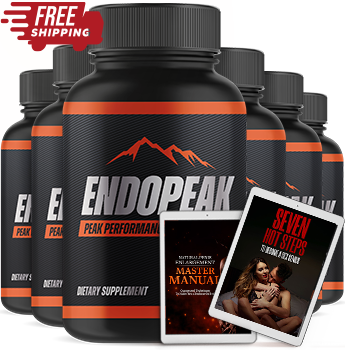
Let’s be honest: nobody really prepares you for the moment when you realize your sex drive isn’t what it used to be.
Maybe you’ve noticed you’re less interested in intimacy than you were five or ten years ago. Perhaps the desire is there, but the energy isn’t. Or maybe you just feel… off.
Here’s the reassuring truth: this is incredibly common, completely normal, and—most importantly—often reversible through natural means.
As a health writer with a background in nutrition and integrative medicine, I’ve spent years researching what actually moves the needle when it comes to male sexual health. And while there’s no shortage of miracle pills promising overnight results, the reality is that sustainable libido enhancement comes from addressing the root causes.
In this comprehensive guide, I’ll walk you through seven evidence-based libido boosters that work in 2026—no prescriptions required.
Understanding What Actually Affects Your Libido
Before we dive into solutions, let’s understand what’s actually happening in your body.
Your libido isn’t controlled by a single switch. It’s the result of a complex interplay between hormones, neurotransmitters, cardiovascular health, mental state, and lifestyle factors. When any of these systems fall out of balance, your sex drive often takes the hit first.
The Testosterone Factor
Here’s a fact that every man over 30 should know: testosterone levels naturally decline by 1-2% annually after age 30. According to the National Institutes of Health (NIH), this gradual decline is a normal part of aging, but it directly impacts libido, energy levels, muscle mass, and sexual performance.
By the time you’re 45, you could have 15-30% less testosterone than you did in your twenties. That’s not a small number.
But testosterone isn’t the whole story.
Beyond Hormones: The Bigger Picture
Your libido is also influenced by:
- Cardiovascular health: Erections require healthy blood flow. Poor circulation = poor performance.
- Neurotransmitters: Dopamine and serotonin play crucial roles in desire and pleasure.
- Psychological factors: Stress, anxiety, relationship issues, and self-esteem all impact sexual desire.
- Sleep quality: Poor rest disrupts hormone production and depletes energy.
- Nutritional status: Deficiencies in zinc, vitamin D, and other nutrients impair sexual function.
The good news? Most of these factors are within your control. Let’s explore how to optimize each one.
5 Daily Habits That Naturally Boost Sexual Drive
Sustainable libido enhancement isn’t about dramatic overhauls—it’s about consistent daily practices that compound over time. Here are five habits backed by research:
1. Morning Sunlight Exposure (10-15 Minutes)
Natural light exposure within the first hour of waking does two important things: it regulates your circadian rhythm (improving sleep quality) and stimulates vitamin D production.
A study published in the journal Fertility and Sterility found that men with adequate vitamin D levels had significantly higher testosterone than those who were deficient. Aim for 10-15 minutes of sunlight exposure each morning, ideally without sunglasses to maximize the circadian benefits.
2. Cold Water Exposure
While the research is still emerging, cold showers and cold water immersion have shown promising effects on testosterone levels and overall vitality. The practice also builds mental resilience and improves circulation—both beneficial for sexual health.
Start with 30 seconds of cold water at the end of your shower and gradually increase the duration.
3. Limiting Alcohol Consumption
I know this isn’t what you want to hear, but alcohol is one of the most significant libido suppressors. The Mayo Clinic notes that chronic alcohol use can lead to reduced testosterone production, erectile dysfunction, and decreased sexual desire.
This doesn’t mean you need to become teetotal. But if you’re experiencing libido issues, consider reducing your intake to 1-2 drinks maximum, no more than three times per week.
4. Daily Movement Outside of Exercise
Beyond structured workouts (which we’ll cover shortly), general daily movement matters. Sedentary behavior is associated with lower testosterone levels and poorer cardiovascular health.
Aim for 8,000-10,000 steps daily. Take walking meetings, use a standing desk, park further away, take the stairs. These small additions accumulate into significant health benefits.
5. Mindful Stress Management
This might sound soft, but it’s scientifically crucial. Chronic stress elevates cortisol, your body’s primary stress hormone. And here’s the problem: cortisol and testosterone have an inverse relationship. When cortisol goes up, testosterone goes down.
Just 10 minutes of daily meditation, deep breathing, or mindfulness practice can measurably reduce cortisol levels. Apps like Headspace or Calm make this accessible, or simply sit quietly and focus on your breath.
Exercise Routines Proven to Enhance Testosterone
If there’s one intervention that consistently outperforms others for natural testosterone enhancement, it’s resistance training.
The Research Is Clear
Studies show that resistance training 3x weekly can increase testosterone by 15-20% within 8 weeks. That’s a significant boost achieved without any supplements or medications.
But not all exercise is created equal when it comes to hormonal benefits.
The Best Exercises for Testosterone
Focus on compound movements that engage multiple large muscle groups:
- Squats: The king of testosterone-boosting exercises
- Deadlifts: Engages your entire posterior chain
- Bench Press: Upper body compound movement
- Rows: Back and bicep engagement
- Overhead Press: Shoulders and core
- Pull-ups: Upper body pulling movement
The Optimal Protocol
For maximum testosterone benefit:
- Frequency: 3-4 sessions per week
- Intensity: Lift heavy (75-85% of your one-rep max)
- Volume: 3-5 sets of 5-8 reps for compound movements
- Rest: 60-90 seconds between sets
- Duration: Keep sessions under 60 minutes (longer sessions can increase cortisol)
What About Cardio?
Moderate cardiovascular exercise supports overall health and blood flow—both important for sexual function. However, excessive endurance training (think marathon running or daily intense cycling) can actually suppress testosterone.
The sweet spot: 2-3 sessions of moderate cardio (20-30 minutes) weekly, in addition to your resistance training.
Sleep and Stress: The Hidden Libido Killers
If you’re doing everything else right but neglecting sleep and stress management, you’re fighting an uphill battle.
The Sleep-Testosterone Connection
Here’s a sobering statistic: poor sleep quality (less than 7 hours) reduces testosterone by up to 15% in healthy men. Research from the University of Chicago found that men who slept only 5 hours per night for one week had testosterone levels equivalent to someone 10-15 years older.
Sleep is when your body produces the majority of its testosterone. Shortchange your sleep, and you shortchange your hormones.
Optimizing Sleep for Libido
- Duration: Aim for 7-9 hours nightly
- Consistency: Go to bed and wake up at the same time daily
- Environment: Cool (65-68°F), dark, and quiet
- Screen-free: No phones or laptops for 60 minutes before bed
- Limit caffeine: None after 2 PM
- Limit alcohol: Alcohol fragments sleep architecture even if it helps you fall asleep
The Cortisol Crisis
Modern life is a cortisol factory. Work deadlines, financial stress, family responsibilities, constant digital stimulation—your body perceives all of this as threat.
Chronic stress elevates cortisol, which directly suppresses testosterone production and reduces sexual desire. This isn’t psychological—it’s biochemical.
Practical Stress Management Strategies
- Morning routine: Start your day with intention, not your inbox
- Exercise: Physical activity is one of the most effective stress relievers
- Nature exposure: Time outdoors reduces cortisol levels
- Social connection: Meaningful relationships buffer stress
- Boundaries: Learn to say no to non-essential commitments
- Professional help: Consider therapy if stress feels unmanageable
For men experiencing significant libido issues, I often recommend combining lifestyle changes with a quality supplement like
, which contains ingredients researched for their potential to support healthy stress response and hormonal balance.Foods and Nutrients for Optimal Sexual Health
You can’t out-supplement a poor diet. What you eat provides the raw materials for hormone production, energy generation, and overall vitality.
Key Nutrients for Male Sexual Health
Zinc: Essential for testosterone production. Deficiency is directly linked to low testosterone. Sources: oysters, beef, pumpkin seeds, chickpeas.
Vitamin D: Functions more like a hormone than a vitamin. Low levels correlate with low testosterone. Sources: sunlight, fatty fish, egg yolks, fortified foods.
Magnesium: Involved in over 300 enzymatic reactions, including testosterone synthesis. Many men are deficient. Sources: dark leafy greens, nuts, seeds, dark chocolate.
Omega-3 Fatty Acids: Support cardiovascular health and reduce inflammation. Sources: fatty fish (salmon, mackerel), walnuts, flaxseeds.
B Vitamins: Critical for energy production and nervous system function. Sources: whole grains, meat, eggs, leafy greens.
Foods to Prioritize
- Fatty fish: 2-3 servings weekly
- Cruciferous vegetables: Broccoli, cauliflower, Brussels sprouts (support healthy estrogen metabolism)
- Eggs: Complete protein with healthy fats and choline
- Berries: Antioxidants protect cellular health
- Nuts and seeds: Healthy fats, zinc, and magnesium
- Lean meats: Protein and zinc
- Olive oil: Healthy fats support hormone production
- Garlic: Improves blood flow and has been linked to testosterone support
Foods to Minimize
- Processed foods: High in inflammatory oils and additives
- Excess sugar: Drives insulin resistance and weight gain
- Trans fats: Directly harm testosterone production
- Excessive soy: May impact estrogen levels in large amounts
- Alcohol: As discussed, suppresses testosterone
When to Consider Natural Supplements
Let me be direct: supplements are not magic pills, and no supplement can replace the fundamentals of good sleep, regular exercise, stress management, and proper nutrition.
That said, certain supplements have research supporting their potential benefits for male sexual health—particularly when used alongside lifestyle modifications.
Evidence-Based Supplement Options
| Supplement | Potential Benefits | Quality of Evidence | Considerations |
|---|---|---|---|
| Ashwagandha | Stress reduction, possible testosterone support | Moderate | Generally well-tolerated |
| Tongkat Ali | May support testosterone in aging men | Moderate | Quality varies widely |
| Fenugreek | Possible libido enhancement | Moderate | May affect blood sugar |
| Zinc | Corrects deficiency-related low T | Strong (for deficiency) | Don’t exceed 40mg daily |
| Vitamin D | Supports testosterone when deficient | Strong (for deficiency) | Get levels tested first |
| Maca | Possible libido enhancement | Limited | Generally safe |
The Case for Combination Formulas
One challenge with individual supplements is the need to research, purchase, and dose multiple products. This is why well-formulated combination supplements can be practical—they combine several researched ingredients at appropriate doses.
is one such formula that combines multiple ingredients traditionally used to support male vitality. While I always recommend discussing any supplement with your healthcare provider first, combination formulas like this can simplify the process of addressing multiple factors simultaneously.What Supplements Can and Cannot Do
Supplements CAN:
- Fill nutritional gaps
- Provide concentrated doses of beneficial compounds
- Support your body’s natural processes
- Complement a healthy lifestyle
Supplements CANNOT:
- Replace sleep, exercise, and good nutrition
- Overcome chronic stress or relationship issues
- Provide overnight transformations
- Work equally for everyone
Set realistic expectations. The men who see the best results from supplements are those who use them as one tool in a comprehensive approach—not as a standalone solution.
Building Your Complete Libido Recovery Plan
Now let’s put everything together into an actionable plan you can start implementing today.
Your 8-Week Libido Enhancement Protocol
Week 1-2: Foundation Building
- Establish consistent sleep schedule (same bedtime/wake time daily)
- Begin morning sunlight exposure (10-15 minutes)
- Reduce alcohol to maximum 2 drinks, 3x weekly
- Start daily step goal (8,000 minimum)
Week 3-4: Adding Exercise
- Begin resistance training program (3x weekly)
- Add one stress management practice (meditation, deep breathing)
- Optimize nutrition—increase zinc and vitamin D rich foods
Week 5-6: Refinement
- Assess sleep quality and make adjustments
- Consider adding a natural supplement if desired
- Increase resistance training intensity
- Address any remaining dietary gaps
Week 7-8: Optimization
- Fine-tune what’s working
- Maintain consistent habits
- Evaluate progress and adjust accordingly
Comparison: Natural Approaches to Libido Enhancement
| Approach | Effectiveness | Time to See Results | Difficulty | Cost |
|---|---|---|---|---|
| Resistance Training | High | 4-8 weeks | Moderate | Low-Medium |
| Sleep Optimization | High | 1-2 weeks | Low | Free |
| Stress Management | High | 2-4 weeks | Moderate | Free-Low |
| Dietary Changes | Moderate-High | 4-8 weeks | Moderate | Variable |
| Natural Supplements | Variable | 4-12 weeks | Low | Medium |
| Reducing Alcohol | Moderate-High | 2-4 weeks | Variable | Free (savings!) |
Tracking Your Progress
Don’t rely on vague feelings. Track specific metrics:
- Morning erection frequency and quality
- Spontaneous sexual thoughts
- Energy levels (1-10 scale daily)
- Sleep quality and duration
- Exercise performance
- Stress levels
This data helps you identify what’s working and what needs adjustment.
Take Action Today
If you’ve read this far, you’re serious about reclaiming your libido and vitality. That puts you ahead of most men who simply accept decline as inevitable.
Here’s the truth: your body wants to function optimally. Given the right inputs—proper sleep, regular exercise, good nutrition, managed stress, and appropriate supplementation—most men can experience significant improvements in their sexual drive and overall vitality.
Start with the fundamentals. Pick one or two changes from this article and implement them consistently for the next two weeks. Then add more.
For men looking to accelerate their results, consider adding a comprehensive natural formula to your routine. . When combined with the lifestyle strategies outlined in this guide, a quality supplement can provide additional support for your body’s natural testosterone production and sexual health.
You don’t have to accept declining libido as your new normal. The strategies in this article are backed by science, achievable for any man willing to put in consistent effort, and capable of producing real results.
Your best years aren’t behind you. Let’s make 2026 the year you take back your vitality.
Frequently Asked Questions
How long does it take to naturally increase libido?
Most men begin noticing improvements within 4-8 weeks of implementing consistent lifestyle changes like resistance training, sleep optimization, and stress management. However, full benefits often develop over 3-6 months. According to WebMD, testosterone levels can improve measurably within 8 weeks of beginning a resistance training program. Patience and consistency are key—there are no overnight solutions.
Can low libido be reversed naturally without medication?
Yes, in many cases. For men whose low libido stems from lifestyle factors like poor sleep, chronic stress, sedentary behavior, or nutritional deficiencies, natural approaches can be highly effective. However, if you have underlying medical conditions like hypogonadism, thyroid disorders, or depression, you may need medical treatment alongside lifestyle modifications. Always consult with a healthcare provider to rule out medical causes.
What is the fastest natural way to boost testosterone?
Resistance training with heavy compound lifts (squats, deadlifts, bench press) is consistently shown to produce the fastest natural testosterone increases—research suggests improvements of 15-20% within 8 weeks. Sleep optimization also produces relatively quick results, as testosterone is primarily produced during sleep. Combining these two strategies offers the best bang for your buck in terms of speed and effectiveness.
Do natural libido supplements actually work?
Some natural supplements have moderate scientific evidence supporting their potential benefits for male sexual health. Ingredients like ashwagandha, tongkat ali, and fenugreek have shown promising results in studies, though effects vary between individuals. Supplements work best when combined with lifestyle modifications rather than used alone. Quality matters significantly—look for reputable brands with transparent ingredient sourcing and third-party testing.
At what age does male libido typically decline?
Most men begin experiencing gradual testosterone decline—and potentially reduced libido—after age 30, with levels dropping 1-2% annually. However, noticeable libido changes often become more apparent in the 40s and 50s. The rate and severity of decline vary significantly based on lifestyle factors, which is why men who maintain healthy habits often preserve strong libidos well into their 60s and beyond. Age-related decline is normal but not inevitable in its severity.
This article was last updated in 2026 and reflects the most current scientific understanding of natural libido enhancement strategies.