
Libido Booster Guide: Science-Backed Ways to Boost Drive in 2026
This article is for informational purposes only. Always consult a qualified healthcare professional before starting any supplement or treatment.
This article contains affiliate links. We may earn a commission at no extra cost to you.
📋 Quick Summary
Low libido affects 20-40% of men over 40 and stems from multiple factors including declining testosterone, stress, poor sleep, and cardiovascular health. While no supplement is a magic pill, evidence suggests certain natural ingredients like Tongkat Ali, Maca root, and L-citrulline may support healthy sexual function when combined with lifestyle modifications. This guide breaks down the science, debunks common myths, and helps you create a personalized plan for naturally enhancing your drive.
Let’s be honest: talking about low libido isn’t easy. There’s embarrassment, frustration, and often a sense that you’re somehow “less than” the man you used to be.
Here’s the truth—you’re not alone, and this is far more common than most men realize. What you’re experiencing likely has identifiable causes and, more importantly, actionable solutions.
In this comprehensive guide, we’ll cut through the noise, separate fact from fiction, and give you a science-backed roadmap for reclaiming your vitality. No snake oil promises. No unrealistic expectations. Just evidence-based strategies that actually work.
Understanding Low Libido: Causes and Risk Factors
Before diving into solutions, we need to understand what’s actually happening in your body. Low libido—clinically known as hypoactive sexual desire disorder (HSDD)—isn’t simply about “not being in the mood.” It’s a complex interplay of physiological, psychological, and lifestyle factors.
The Testosterone Factor
According to the National Institutes of Health (NIH), testosterone levels naturally decline approximately 1-2% annually after age 30. By the time you reach 50, you may have 20-40% less circulating testosterone than you did in your twenties.
This gradual decline affects libido in an estimated 20-40% of men over 40. However—and this is crucial—testosterone isn’t the whole story. Many men with “normal” testosterone levels still experience decreased sex drive, while others with lower levels maintain healthy libidos.
The Multifactorial Reality
Low libido rarely has a single cause. Research consistently shows it’s multifactorial, involving:
Hormonal Factors:
- Declining testosterone
- Elevated cortisol (stress hormone)
- Thyroid dysfunction
- Insulin resistance
Cardiovascular Health:
- Poor blood flow affects erectile function
- High blood pressure medications can reduce libido
- Atherosclerosis impacts nitric oxide production
Lifestyle Factors:
- Chronic sleep deprivation (even losing 2 hours nightly can significantly reduce testosterone)
- Sedentary behavior
- Excessive alcohol consumption
- Poor nutrition
Psychological Factors:
- Chronic stress
- Depression and anxiety
- Relationship issues
- Performance anxiety
Medications:
- Antidepressants (especially SSRIs)
- Blood pressure medications
- Statins
- Opioid pain medications
Understanding this interconnection is essential because it means effective solutions must address multiple factors simultaneously.
Common Myths About Male Libido (Debunked)
The internet is flooded with misinformation about male sexual health. Let’s set the record straight.
Myth #1: “Low libido means low testosterone”
Reality: While testosterone plays a role, many men with clinically normal testosterone levels experience low libido. Factors like stress, relationship quality, sleep, and cardiovascular health often matter more. According to Mayo Clinic, desire is a complex interplay of hormones, emotions, and physical health.
Myth #2: “Libido naturally disappears with age”
Reality: While some decline is normal, healthy men can maintain active sex lives well into their 70s and beyond. Age-related decline is often accelerated by preventable factors like obesity, inactivity, and chronic disease.
Myth #3: “Supplements are just placebos”
Reality: While the supplement industry has its share of fraudulent products, legitimate clinical research supports certain ingredients. The key is identifying evidence-backed compounds and having realistic expectations about their effects.
Myth #4: “If you need help, there’s something wrong with you”
Reality: Seeking to optimize your sexual health is no different than working on your fitness or nutrition. It’s a normal part of proactive health management, not a sign of failure.
Myth #5: “Prescription medications are the only effective solution”
Reality: Pharmaceuticals like Viagra and Cialis address erection mechanics but don’t directly increase desire. Natural approaches addressing root causes can be effective for many men, especially when low libido isn’t primarily a vascular issue.
Science-Backed Facts About Testosterone and Sexual Health
Now let’s examine what the research actually shows about testosterone, sexual function, and what genuinely influences male libido.
What Testosterone Actually Does
Testosterone affects libido through multiple pathways:
- Brain chemistry: It influences dopamine systems associated with desire and motivation
- Nitric oxide production: Supports blood vessel dilation essential for erections
- Energy and mood: Impacts overall vitality and psychological well-being
- Muscle maintenance: Supports metabolic health that indirectly affects sexual function
The Optimal Range Debate
“Normal” testosterone ranges vary significantly—typically 300-1000 ng/dL. However, where you fall within this range matters. A man with 350 ng/dL is technically “normal” but may experience symptoms if his baseline was previously 700 ng/dL.
Beyond Testosterone: Other Key Hormones
Research increasingly recognizes other hormones’ importance:
- DHEA: A precursor hormone that supports testosterone production
- Cortisol: When chronically elevated, it suppresses testosterone and desire
- Thyroid hormones: Underactive thyroid is a common overlooked cause of low libido
- Estrogen: Yes, men have estrogen too—balance matters more than elimination
The Nitric Oxide Connection
Sexual function depends heavily on nitric oxide (NO), which relaxes blood vessels and enables erections. WebMD reports that cardiovascular health directly impacts NO production, making heart-healthy lifestyle choices essential for sexual health.
Natural Libido Boosters: Diet, Lifestyle, and Supplements
Here’s where we get practical. These evidence-based strategies form the foundation of any effective libido enhancement plan.
Dietary Strategies
Foods That Support Sexual Health:
- Oysters and shellfish: High in zinc, essential for testosterone production
- Fatty fish: Omega-3s support cardiovascular health and hormone production
- Leafy greens: Nitrates convert to nitric oxide
- Pomegranate: Research suggests it may support healthy blood flow
- Dark chocolate: Contains flavonoids that support vascular function
- Garlic: Supports healthy circulation (just watch your timing!)
Foods to Limit:
- Excessive sugar (promotes inflammation and insulin resistance)
- Processed foods (often contain hormone-disrupting chemicals)
- Excessive alcohol (temporary boost, long-term suppression)
- Soy products in large quantities (phytoestrogens may affect some men)
Exercise: The Natural Testosterone Booster
Research consistently shows exercise significantly impacts hormone levels and sexual function:
- Resistance training: Compound movements (squats, deadlifts) acutely elevate testosterone
- High-intensity interval training (HIIT): Improves cardiovascular function and hormone response
- Moderate cardio: Supports heart health without overtraining
Important: Excessive endurance exercise can actually lower testosterone. Balance is key.
Sleep Optimization
Sleep deprivation devastates testosterone. Studies show men sleeping 5 hours nightly have testosterone levels comparable to men 10-15 years older.
Sleep optimization strategies:
- Aim for 7-9 hours consistently
- Maintain consistent sleep/wake times
- Limit blue light exposure before bed
- Keep bedroom cool (65-68°F optimal)
- Address sleep apnea if present (strongly linked to low testosterone)
Stress Management
Chronic stress elevates cortisol, which directly suppresses testosterone and desire. Effective approaches include:
- Regular exercise
- Meditation or mindfulness practices
- Time in nature
- Social connection
- Setting boundaries around work
Targeted Supplementation
When lifestyle factors are optimized, certain supplements may provide additional support. This is where products like
come in—combining multiple evidence-backed ingredients into comprehensive formulas.How Libido-Boosting Supplements Work (Ingredient Breakdown)
Understanding how key ingredients function helps you evaluate products intelligently. Here’s what clinical research shows about common compounds:
Tongkat Ali (Eurycoma Longifolia)
Mechanism: Appears to reduce sex hormone-binding globulin (SHBG), potentially increasing “free” testosterone available for use.
Evidence: Multiple studies suggest improvements in testosterone levels, stress reduction, and sexual function. A 2012 study in the Journal of the International Society of Sports Nutrition found significant improvements in stress hormones and testosterone status.
Typical dosage: 200-400mg daily of standardized extract
Maca Root
Mechanism: Doesn’t appear to directly affect testosterone but may influence sexual desire through other pathways, possibly involving neurotransmitter modulation.
Evidence: Several clinical trials show improvements in sexual desire, particularly in men experiencing SSRI-induced sexual dysfunction.
Typical dosage: 1,500-3,000mg daily
L-Citrulline
Mechanism: Converts to L-arginine in the body, supporting nitric oxide production for improved blood flow.
Evidence: Research suggests benefits for erectile function and exercise performance. Generally considered more effective than direct L-arginine supplementation due to better absorption.
Typical dosage: 3-6g daily
Fenugreek
Mechanism: May inhibit enzymes that convert testosterone to estrogen, potentially supporting testosterone balance.
Evidence: Some studies show improvements in testosterone levels and sexual function, though results are mixed.
Typical dosage: 500-600mg daily
Ashwagandha
Mechanism: An adaptogen that reduces cortisol and may support healthy testosterone levels through stress reduction.
Evidence: Multiple studies show improvements in stress, testosterone, and sexual function. Particularly effective for stress-related libido issues.
Typical dosage: 300-600mg daily (KSM-66 or Sensoril extracts)
Zinc
Mechanism: Essential mineral for testosterone synthesis. Deficiency directly impairs hormone production.
Evidence: Supplementation improves testosterone in deficient individuals; less effect when levels are already adequate.
Typical dosage: 25-45mg daily (avoid exceeding 40mg long-term without supervision)
EndoPeak, Tupi Tea, Red Boost & ErecPrime: Product Comparison
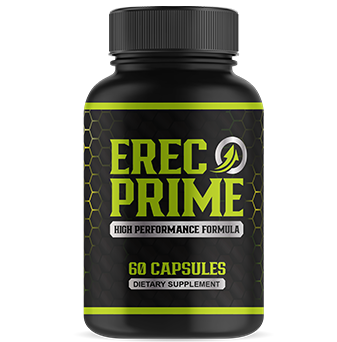
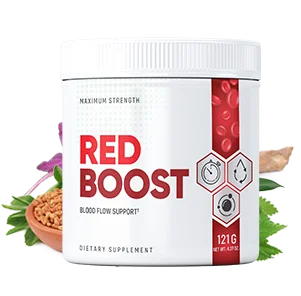
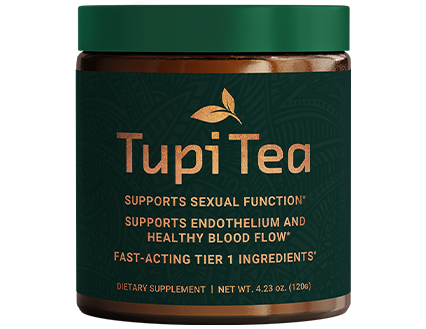
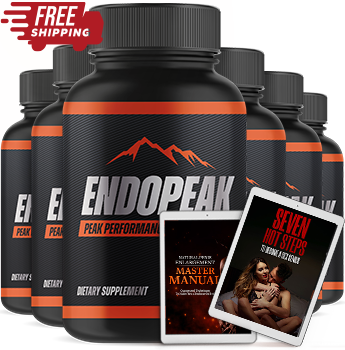
The supplement market offers numerous options. Here’s an objective comparison to help you evaluate popular choices:
| Feature | EndoPeak | Tupi Tea | Red Boost | ErecPrime |
|---|---|---|---|---|
| Format | Capsules | Powder/Tea | Capsules | Capsules |
| Key Ingredients | Tongkat Ali, Tribulus, Hawthorn Berry | Horny Goat Weed, Tribulus, Ginger | Tongkat Ali, Fenugreek, Icariin | Hawthorn Berry, Tribulus, Tongkat Ali |
| Primary Focus | Overall sexual health & energy | Nitric oxide & circulation | Energy & stamina | Male enhancement & vitality |
| Ease of Use | Very easy | Requires preparation | Very easy | Very easy |
| Comprehensive Formula | Yes | Moderate | Yes | Yes |
| Natural Ingredients | Yes | Yes | Yes | Yes |
| Money-Back Guarantee | Yes (60 days) | Varies | Yes | Yes |
Why EndoPeak Stands Out
After reviewing multiple products,
deserves particular attention for several reasons:- Comprehensive formulation addressing multiple pathways (hormonal support, blood flow, energy)
- Evidence-backed ingredients at meaningful dosages
- Convenient capsule format requiring no preparation
- Transparent ingredient list without proprietary blend obscurity
- 60-day money-back guarantee reducing financial risk
While no supplement works identically for everyone, EndoPeak’s multi-mechanism approach addresses the multifactorial nature of low libido we discussed earlier.
Frequently Asked Questions About Male Enhancement
Q1: How long do natural libido boosters take to work?
Unlike prescription medications that work within hours, natural supplements typically require consistent use for 4-8 weeks before noticeable effects. Some ingredients like L-citrulline may provide faster results for blood flow, while hormonal support ingredients like Tongkat Ali need time to influence hormone balance.
Q2: Are libido supplements safe to take with blood pressure medication?
This requires individual evaluation. Some ingredients (particularly those supporting nitric oxide) may interact with blood pressure medications. Always consult your doctor before combining supplements with any prescription medication.
Q3: Can lifestyle changes alone improve libido without supplements?
Absolutely. For many men, optimizing sleep, managing stress, exercising regularly, and improving diet produces significant improvements. Supplements work best as additions to—not replacements for—healthy lifestyle foundations.
Q4: What’s the difference between libido and erectile function?
Libido refers to sexual desire (wanting sex), while erectile function refers to physical capability (achieving and maintaining erections). They’re related but distinct. Some men have strong desire but erectile difficulties; others have no physical issues but diminished desire. Effective solutions address both aspects.
Q5: At what age should men start being proactive about sexual health?
Ideally, men should begin optimizing factors affecting sexual health in their 30s, before significant decline occurs. However, it’s never too late—men in their 50s, 60s, and beyond can still implement strategies that improve libido and function.
When to See a Doctor: Medical vs. Natural Solutions
Natural approaches work well for many men, but certain situations require medical evaluation:
See a Doctor If You Experience:
- Sudden or severe libido changes
- Erectile dysfunction unresponsive to natural approaches
- Symptoms of hormonal disorders (fatigue, weight gain, depression)
- Pain or physical abnormalities
- Libido changes after starting new medications
- Relationship distress requiring professional support
Medical Testing to Consider:
- Complete hormone panel: Testosterone (total and free), SHBG, estradiol, DHEA, thyroid hormones
- Metabolic markers: Fasting glucose, HbA1c, lipid panel
- Cardiovascular assessment: Blood pressure, heart health evaluation
- Prostate screening: PSA levels (especially for men over 50)
Integrating Medical and Natural Approaches
Medical and natural solutions aren’t mutually exclusive. Many men successfully combine:
- Hormone replacement therapy with lifestyle optimization
- Prescription medications for acute situations with supplements for long-term support
- Ongoing medical monitoring while implementing natural strategies
The goal is finding your optimal combination based on individual needs and test results.
Creating Your Personalized Libido Enhancement Plan
Generic advice only goes so far. Here’s how to build a strategy tailored to your situation:
Step 1: Honest Self-Assessment
Evaluate which factors most likely contribute to your situation:
- How’s your sleep quality and quantity?
- What’s your stress level?
- How often do you exercise?
- What does your diet look like?
- Are you taking medications that might contribute?
- How’s your relationship health?
Step 2: Prioritize Foundation Elements
Before supplementation, address:
- Sleep: Non-negotiable. Aim for 7-9 hours nightly.
- Exercise: At minimum, 3-4 sessions weekly combining strength and cardio.
- Nutrition: Whole foods, adequate protein, healthy fats, limited processed foods.
- Stress management: Find what works for you and practice consistently.
Step 3: Consider Targeted Supplementation
Once foundations are solid, supplements can provide additional support. Look for products combining multiple evidence-backed ingredients rather than single compounds.
Step 4: Track and Adjust
Monitor your progress:
- Energy levels
- Mood and motivation
- Sexual desire frequency and intensity
- Erectile quality
- Overall vitality
Give interventions adequate time (4-8 weeks minimum) before evaluating effectiveness.
Step 5: Seek Professional Guidance When Needed
Don’t hesitate to involve healthcare providers for testing, monitoring, and guidance. Combining professional oversight with personal optimization efforts produces the best outcomes.
Take the Next Step Toward Renewed Vitality
Low libido doesn’t have to be your new normal. The science is clear: through targeted lifestyle modifications and evidence-backed supplementation, many men successfully reclaim the vitality and drive they thought was gone forever.
Remember, this is a marathon, not a sprint. Sustainable improvement comes from addressing root causes rather than seeking quick fixes. Start with lifestyle foundations, consider quality supplementation for additional support, and don’t hesitate to involve healthcare professionals when appropriate.
If you’re ready to explore supplemental support, . With its comprehensive blend of Tongkat Ali, Tribulus, and other evidence-backed ingredients, EndoPeak is designed to address the multifactorial nature of male sexual health—supporting hormone balance, healthy blood flow, and natural energy production.
You deserve to feel like yourself again. The path forward starts with a single step—take it today.
Frequently Asked Questions
What are the most effective science-backed ways to boost libido?
Evidence-based strategies for boosting libido include optimizing sleep, managing stress, exercising regularly, and addressing hormonal imbalances. Certain supplements like ashwagandha, maca root, and zinc have also demonstrated positive effects in clinical research.
Can hormonal imbalances cause low libido?
Yes, hormonal imbalances—such as low testosterone in men or imbalanced estrogen and progesterone in women—are among the most common causes of reduced sexual drive. Getting hormone levels tested by a healthcare professional is an important first step.
Are natural libido supplements safe for both men and women?
Many natural libido supplements are generally safe for both sexes when taken as directed, though effects and dosing may differ. Always check for contraindications with existing medications and consult a healthcare provider before starting any new supplement.
How does stress affect libido?
Chronic stress elevates cortisol levels, which can suppress sex hormones like testosterone and estrogen, leading to decreased sexual desire. Addressing stress through mindfulness, exercise, and adequate sleep is a foundational step in restoring libido.
How quickly can lifestyle changes improve libido?
Some lifestyle changes, such as improving sleep quality or reducing alcohol intake, can produce noticeable improvements in libido within a few weeks. More significant changes, like weight loss or hormonal rebalancing, may take several months to show full effects.
📚 Related Articles on Sexual Health
This article is for informational purposes only. Always consult a qualified healthcare professional before starting any supplement or treatment.
This article contains affiliate links. We may earn a commission at no extra cost to you.