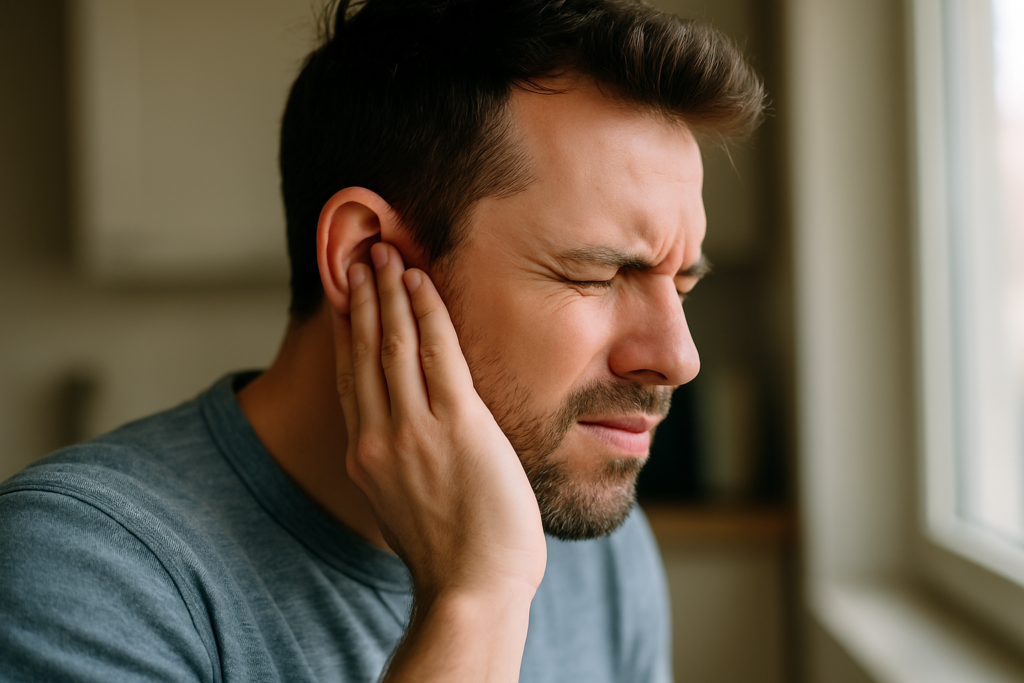
Tinnitus Relief Guide: Stop Ear Ringing in 2026
Last Updated: January 2026
Affiliate Disclaimer: This article contains affiliate links. We may earn a commission at no extra cost to you.
Medical Disclaimer: This article is for informational purposes only. Always consult a qualified healthcare professional before starting any supplement or treatment.
## Quick Summary
What you’ll learn in this guide:
– Tinnitus affects 15-20% of adults, rising to 30% in those over 65
– While no FDA-approved cure exists, approximately 80% of sufferers find meaningful relief through combination approaches
– Evidence-based treatments include sound therapy, cognitive behavioral therapy, and lifestyle modifications
– Natural supplements may support ear health, though results vary between individuals
– Certain “red flag” symptoms require immediate medical attention
Bottom line: Tinnitus relief is possible. This comprehensive guide walks you through proven strategies, debunks common myths, and helps you build a personalized approach to quieting the noise.
If you’re reading this at 3 AM because that persistent ringing, buzzing, or whooshing in your ears won’t let you sleep, you’re not alone. And more importantly, you’re not without options.
Tinnitus—that phantom sound that only you can hear—affects millions of people worldwide. It can range from a minor annoyance to a life-disrupting condition that impacts sleep, concentration, relationships, and mental health. The good news? Science has made significant strides in understanding tinnitus, and effective relief strategies exist.
In this comprehensive 2026 guide, we’ll cut through the noise (pun intended) to bring you evidence-based information, debunk persistent myths, and provide actionable strategies that real people have used to find relief. Whether you’ve been dealing with tinnitus for weeks or decades, this guide is your roadmap to reclaiming your peace and quiet.
Understanding Tinnitus: What Causes Ringing in Ears?
Before we dive into solutions, let’s understand what we’re dealing with. Tinnitus isn’t actually a disease—it’s a symptom. Think of it as your auditory system’s way of signaling that something needs attention.
The Science Behind the Sound
Tinnitus occurs when your brain perceives sound in the absence of external acoustic stimuli. According to the National Institutes of Health (NIH), this phantom perception happens when there’s a disruption somewhere along the auditory pathway—from your outer ear to the auditory cortex in your brain.
Here’s what typically happens: When hair cells in your inner ear become damaged, they can send erratic electrical signals to your brain. Your brain, trying to make sense of these signals, interprets them as sound. It’s essentially your brain “filling in the gaps” left by damaged hearing.
Common Causes of Tinnitus
Hearing Loss (Most Common) Age-related hearing loss (presbycusis) and noise-induced hearing loss account for the majority of tinnitus cases. As we age, the delicate hair cells in our cochlea naturally deteriorate. This is why tinnitus prevalence jumps to approximately 30% in adults over 65.
Noise Exposure A single loud concert, years of workplace noise, or even regular use of headphones at high volumes can damage your hearing and trigger tinnitus. This type of damage is often cumulative and may not manifest until years later.
Circulatory Issues Blood vessel disorders, high blood pressure, and atherosclerosis can create turbulent blood flow near the ear, causing a type called “pulsatile tinnitus” that you might hear in rhythm with your heartbeat.
Ototoxic Medications Certain medications can damage the auditory system. Common culprits include:
- High doses of aspirin
- Some antibiotics (aminoglycosides)
- Certain cancer medications
- Loop diuretics
- Some antidepressants
Other Contributing Factors
- TMJ (temporomandibular joint) disorders
- Head or neck injuries
- Earwax buildup
- Meniere’s disease
- Acoustic neuroma (benign tumor)
- Stress and anxiety (which can exacerbate existing tinnitus)
Understanding your specific triggers is the first step toward effective tinnitus relief.
Common Tinnitus Myths vs. Facts You Need to Know
The internet is flooded with misinformation about tinnitus. Let’s separate fact from fiction so you can make informed decisions about your care.
Myth #1: “Tinnitus means you’re going deaf”
Fact: While tinnitus is often associated with hearing loss, having tinnitus doesn’t automatically mean you’ll lose your hearing. Many people with tinnitus have normal audiograms. Conversely, not everyone with hearing loss develops tinnitus. The relationship is complex, and one doesn’t inevitably lead to the other.
Myth #2: “There’s nothing you can do about tinnitus”
Fact: This is perhaps the most damaging myth. While it’s true that no FDA-approved cure exists, approximately 80% of tinnitus sufferers find meaningful relief through various combination approaches. Sound therapy, cognitive behavioral therapy, lifestyle modifications, and supporting supplements have all shown promise in clinical settings.
Myth #3: “Tinnitus is purely psychological”
Fact: Tinnitus has real, measurable neurological components. Brain imaging studies show actual changes in neural activity in people with tinnitus. However, psychological factors like stress, anxiety, and depression can significantly worsen tinnitus perception—which is why holistic treatment approaches work best.
Myth #4: “Only loud noise causes tinnitus”
Fact: While noise exposure is a leading cause, tinnitus can result from dozens of different factors including medications, cardiovascular problems, hormonal changes, nutritional deficiencies, and even dental issues. This is why proper diagnosis is essential.
Myth #5: “Supplements are just snake oil”
Fact: This one requires nuance. While no supplement can “cure” tinnitus, certain nutrients play documented roles in auditory health. Zinc, magnesium, B vitamins, and various herbal compounds have been studied for their potential to support healthy ear function. The key is choosing quality products with evidence-based ingredients and maintaining realistic expectations.
Proven Tinnitus Treatment Options That Actually Work
Now let’s explore the treatments that research and clinical experience have shown to be most effective for tinnitus relief.
Sound Therapy
Sound therapy remains one of the most effective and accessible tinnitus treatments. The principle is simple: by introducing external sounds, you give your brain something else to focus on, reducing the prominence of tinnitus.
Types of Sound Therapy:
- White noise machines: Provide consistent background sound
- Notched music therapy: Customized audio that “notches out” your specific tinnitus frequency
- Hearing aids: For those with hearing loss, amplifying external sounds often reduces tinnitus perception
- Tinnitus maskers: Wearable devices that emit low-level sounds
According to Mayo Clinic, sound therapy is often most effective when combined with counseling approaches.
Cognitive Behavioral Therapy (CBT)
CBT has emerged as one of the most evidence-backed treatments for tinnitus distress. While it doesn’t eliminate the sound itself, CBT helps change your emotional and cognitive response to tinnitus.
A trained therapist helps you:
- Identify negative thought patterns about tinnitus
- Develop coping strategies
- Reduce anxiety and depression associated with tinnitus
- Improve sleep despite tinnitus
Multiple clinical trials have shown CBT significantly improves quality of life for tinnitus sufferers, even when the perceived volume remains unchanged.
Tinnitus Retraining Therapy (TRT)
TRT combines sound therapy with directive counseling to help your brain reclassify tinnitus as a neutral signal that doesn’t require attention. Think of it like how you eventually stop noticing the hum of your refrigerator—your brain learns to filter it out.
TRT typically takes 12-24 months but has shown long-lasting results for many patients.
Comparison Table: Main Tinnitus Treatment Approaches
| Treatment Approach | Pros | Cons | Best For |
|---|---|---|---|
| Sound Therapy | Non-invasive, immediately accessible, can use at home | May not work for all tinnitus types, requires consistent use | Mild to moderate tinnitus, those needing immediate relief |
| CBT | Addresses emotional impact, long-lasting results, improves overall mental health | Requires finding qualified therapist, time commitment | Those with tinnitus-related anxiety or depression |
| TRT | Comprehensive approach, targets root of distress, high success rates | Long treatment duration (12-24 months), can be expensive | Severe or chronic tinnitus sufferers |
| Hearing Aids | Addresses underlying hearing loss, immediate improvement for many | Cost, maintenance required, only helps if hearing loss present | Tinnitus accompanied by hearing loss |
| Natural Supplements | Convenient, supports overall ear health, minimal side effects | Results vary, not regulated like medications, requires consistency | Those seeking complementary support alongside other treatments |
| Lifestyle Modifications | Free, improves overall health, addresses root causes | Requires discipline and time, results gradual | Everyone with tinnitus (foundational approach) |
Natural Supplements for Tinnitus Relief (Product Comparison)
Many people seeking tinnitus relief explore natural supplements as part of their comprehensive approach. While supplements cannot cure tinnitus, certain ingredients have been studied for their potential to support auditory health.
Key Nutrients for Ear Health
Zinc Research published in various medical journals has explored zinc’s role in inner ear function. Some studies suggest zinc deficiency may be linked to tinnitus in certain populations, particularly older adults.
Magnesium This mineral plays a role in protecting against noise-induced hearing damage. Some research indicates magnesium supplementation may help protect the delicate hair cells in the cochlea.
B Vitamins B12 deficiency has been associated with tinnitus in some studies. B vitamins support overall nerve health, including the auditory nerve.
Ginkgo Biloba One of the most studied herbs for tinnitus, ginkgo biloba is believed to improve blood circulation to the inner ear. Results have been mixed in clinical trials, but some individuals report benefits.
Spotlight on Comprehensive Formulas
Rather than taking multiple individual supplements, many people prefer comprehensive formulas designed specifically for ear health support. One option that has gained attention in the tinnitus community is
, which combines multiple ear-supporting ingredients into a single daily supplement.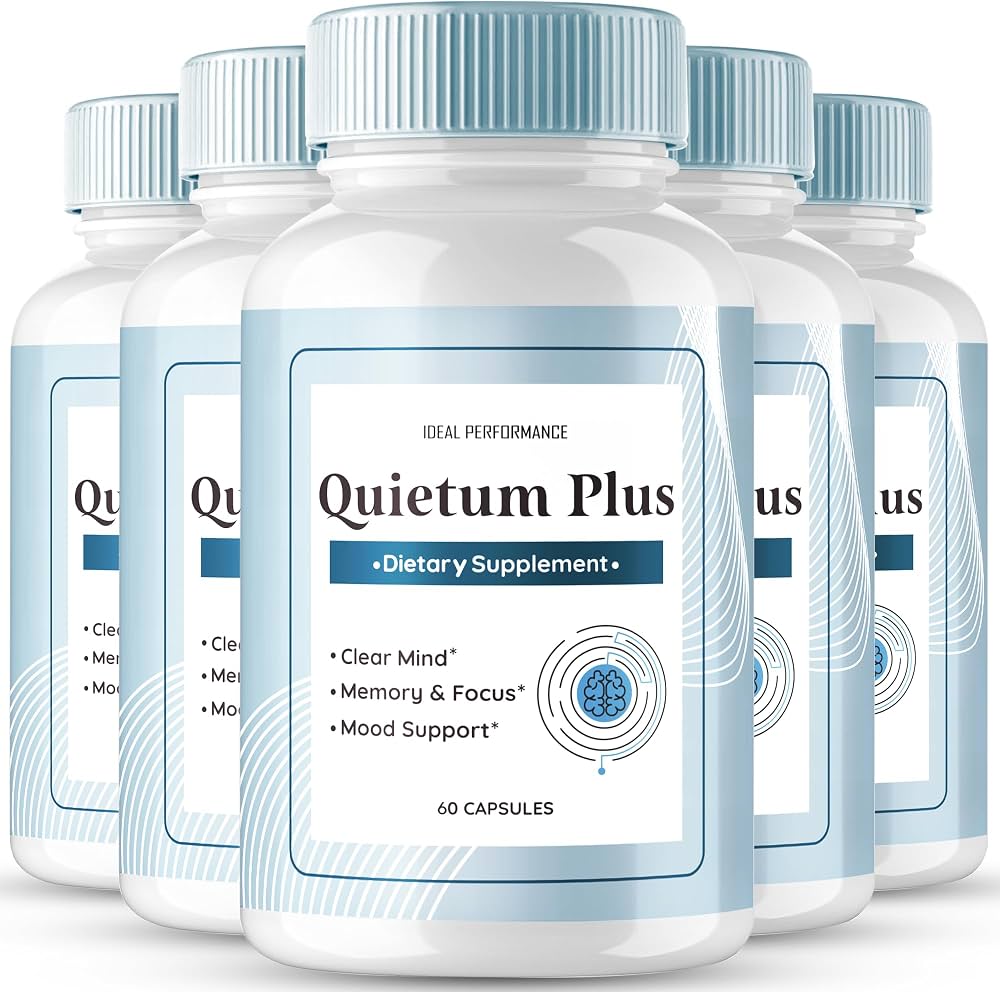
Products like Quietum Plus typically include blends of vitamins, minerals, and herbal extracts selected for their potential to support healthy auditory function. While individual results vary, comprehensive formulas offer convenience and ensure you’re getting synergistic ingredients in appropriate amounts.
Important Note: Supplements work best as part of a holistic approach. They’re not magic pills, and anyone promising instant cures should be viewed with skepticism. The most successful tinnitus management plans combine supplements with sound therapy, lifestyle modifications, and—when needed—professional treatment.
What to Look for in a Quality Supplement
When evaluating tinnitus support supplements, consider:
- Ingredient transparency: Full disclosure of all ingredients and amounts
- Quality manufacturing: GMP-certified facilities
- Money-back guarantee: Reputable companies stand behind their products
- Realistic claims: Avoid products promising “instant cures”
- Third-party testing: Independent verification of purity and potency
Lifestyle Changes to Reduce Ear Ringing Symptoms
Sometimes the most powerful tinnitus relief strategies don’t come in a bottle or require a prescription. Lifestyle modifications can significantly impact tinnitus severity and your ability to cope with it.
Protect Your Hearing
This seems obvious, but it’s crucial. Further noise exposure will only worsen tinnitus. Consider:
- Using earplugs at concerts, sporting events, or around loud machinery
- Keeping headphone volume at 60% or less
- Taking “hearing breaks” after noise exposure
- Using noise-canceling headphones to reduce the temptation to turn up volume
Manage Stress
Stress and tinnitus have a bidirectional relationship—stress worsens tinnitus, and tinnitus causes stress. Breaking this cycle is essential.
Effective stress-reduction techniques:
- Mindfulness meditation (even 10 minutes daily helps)
- Deep breathing exercises
- Progressive muscle relaxation
- Yoga or tai chi
- Regular exercise
- Adequate sleep
Optimize Your Sleep
Tinnitus often feels louder at night when background noise decreases. Poor sleep then increases stress, which worsens tinnitus—another vicious cycle.
Sleep improvement strategies:
- Use a white noise machine or fan
- Maintain consistent sleep and wake times
- Avoid screens for 1-2 hours before bed
- Keep your bedroom cool and dark
- Consider a sound pillow for localized masking
Dietary Considerations
While no specific “tinnitus diet” exists, certain dietary factors may influence symptoms:
Consider reducing:
- Excessive sodium (can affect blood pressure and fluid balance)
- Caffeine (stimulant that may worsen tinnitus for some)
- Alcohol (affects blood flow and can worsen symptoms)
- Processed foods high in MSG or artificial additives
Consider increasing:
- Anti-inflammatory foods (fruits, vegetables, fatty fish)
- Foods rich in zinc (oysters, beef, pumpkin seeds)
- Magnesium-rich foods (dark leafy greens, nuts, seeds)
- Adequate hydration
Exercise Regularly
Physical activity improves cardiovascular health, reduces stress, promotes better sleep, and may enhance blood flow to the auditory system. Aim for at least 150 minutes of moderate activity weekly.
Address Underlying Health Conditions
Work with your healthcare provider to manage:
- High blood pressure
- Diabetes
- Thyroid disorders
- TMJ dysfunction
- Cardiovascular issues
These conditions can all contribute to tinnitus, and addressing them often improves symptoms.
When to See a Doctor About Your Tinnitus
While many people successfully manage mild tinnitus independently, certain situations warrant professional evaluation.
Red Flags Requiring Immediate Attention
Seek prompt medical care if you experience:
- Sudden tinnitus in one ear (could indicate sudden hearing loss, a medical emergency)
- Pulsatile tinnitus (rhythmic sound matching your heartbeat)
- Tinnitus following head injury
- Tinnitus accompanied by dizziness, vertigo, or balance problems
- Tinnitus with hearing loss that came on suddenly
- Tinnitus with facial weakness or numbness
When to Schedule an Evaluation
Even without red flags, consider seeing a doctor if:
- Tinnitus persists for more than a few weeks
- Symptoms significantly impact your quality of life
- You’re experiencing anxiety, depression, or sleep problems due to tinnitus
- Over-the-counter approaches haven’t provided relief
- You want to rule out underlying medical conditions
Types of Specialists Who Treat Tinnitus
Audiologist: Specializes in hearing and can conduct comprehensive hearing tests, fit hearing aids, and provide sound therapy.
Otolaryngologist (ENT): Medical doctor specializing in ear, nose, and throat conditions. Can rule out structural problems and medical conditions.
Neurologist: May be consulted if tinnitus is suspected to have neurological origins.
Psychologist/Psychiatrist: Can help with CBT and address anxiety or depression related to tinnitus.
According to WebMD, a multidisciplinary approach often yields the best outcomes for chronic tinnitus sufferers.
Frequently Asked Questions About Tinnitus Relief
Q1: Can tinnitus go away on its own?
A: Yes, temporary tinnitus often resolves on its own within a few days to weeks. This is common after exposure to loud noise or during ear infections. However, chronic tinnitus (lasting more than 3-6 months) is less likely to completely disappear spontaneously. That said, many people experience significant improvement in how they perceive and cope with tinnitus over time, especially with appropriate management strategies.
Q2: What is the most effective treatment for tinnitus in 2026?
A: There’s no single “most effective” treatment because tinnitus varies greatly between individuals. Research consistently shows that combination approaches work best. This typically includes sound therapy, cognitive behavioral therapy (CBT), lifestyle modifications, and for many people, supportive supplements like
to support overall ear health. The most successful treatment plans are personalized to address each individual’s specific type of tinnitus, underlying causes, and lifestyle factors.Q3: Are there any vitamins or supplements that help with tinnitus?
A: Several nutrients have been studied for their potential role in supporting auditory health. Zinc, magnesium, B vitamins (especially B12), and Ginkgo biloba have all shown promise in various studies, though results are mixed. Comprehensive formulas designed specifically for ear health may offer convenience and synergistic benefits. It’s important to have realistic expectations—supplements support overall ear health rather than providing instant cures. Always consult your healthcare provider before starting any supplement regimen.
Q4: Does tinnitus cause hearing loss, or does hearing loss cause tinnitus?
A: The relationship works primarily in one direction: hearing loss is a common cause of tinnitus, but tinnitus itself doesn’t typically cause hearing loss. When hair cells in your inner ear become damaged (causing hearing loss), they can send abnormal signals to your brain, which may be perceived as tinnitus. However, having tinnitus alone won’t damage your hearing. That said, both conditions often share common causes (like noise exposure), so they frequently occur together.
Q5: How long does it take to find relief from tinnitus?
A: This varies significantly between individuals. Some people notice improvement within weeks of starting treatment, while others may take several months. Tinnitus Retraining Therapy (TRT), for example, typically takes 12-24 months for full effect. Sound therapy may provide immediate partial relief. Supplements and lifestyle changes often require consistent use over 2-3 months before evaluating effectiveness. The key is patience, consistency, and working with healthcare providers to find the right combination of approaches for your specific situation.
Take Control of Your Tinnitus Journey Today
Living with tinnitus can feel isolating and frustrating, especially when others can’t hear what you hear or understand how it affects your daily life. But here’s what we hope you take away from this guide: you are not powerless, and relief is possible.
The science is clear—while a definitive cure remains elusive, the vast majority of tinnitus sufferers can find meaningful improvement through the right combination of approaches. Whether that means sound therapy to mask the noise, CBT to change your relationship with it, lifestyle modifications to address underlying factors, or supportive supplements to nourish your auditory system—options exist.
If you’re looking for a convenient way to support your ear health naturally as part of your comprehensive tinnitus management plan, many people have found value in targeted nutritional support.
Remember, the most successful outcomes come from personalized, multi-faceted approaches. Start with the strategies that resonate most with you, be consistent, track your progress, and don’t hesitate to seek professional guidance when needed.
Your journey to quieter days begins with a single step. Here’s to finding the relief you deserve in 2026 and beyond.
Frequently Asked Questions
What are the most common causes of tinnitus?
Tinnitus is most commonly caused by prolonged exposure to loud noise, age-related hearing loss, ear infections, or earwax buildup. Underlying conditions such as high blood pressure, TMJ disorders, and certain medications can also trigger or worsen the ringing.
Are there natural treatments that can relieve tinnitus?
Natural approaches including ginkgo biloba supplementation, zinc intake, and mindfulness-based stress reduction have shown some benefit for tinnitus sufferers. Dietary changes—such as reducing caffeine and sodium—can also help manage symptom severity.
Can tinnitus go away on its own?
Tinnitus caused by temporary factors like ear infections or noise exposure often resolves on its own once the underlying cause is addressed. Chronic tinnitus, however, typically requires ongoing management strategies rather than a permanent cure.
What lifestyle changes help reduce tinnitus symptoms?
Protecting your ears from loud environments, limiting caffeine and alcohol, managing stress, and maintaining a healthy sleep routine can all reduce tinnitus severity. Regular exercise also improves circulation, which may benefit ear health.
Do supplements actually help with tinnitus relief?
Certain supplements such as magnesium, zinc, B vitamins, and ginkgo biloba have been studied for their potential to reduce tinnitus intensity. Results vary by individual, and supplements work best as part of a broader management plan that includes lifestyle changes.
📚 Related Articles on Tinnitus & Ear Health
This article is for informational purposes only. Always consult a qualified healthcare professional before starting any supplement or treatment.
This article contains affiliate links. We may earn a commission at no extra cost to you.