
7 Proven Ways to Get Tinnitus Relief That Actually Work in 2026
This article is for informational purposes only. Always consult a qualified healthcare professional before starting any supplement or treatment.
This article contains affiliate links. We may earn a commission at no extra cost to you.
📋 Quick Summary
Living with tinnitus doesn’t mean accepting constant ear ringing as your new normal. This guide covers seven science-backed strategies—from sound therapy and vagus nerve exercises to lifestyle modifications and targeted supplements—that can provide meaningful tinnitus relief within weeks. These approaches work by addressing the underlying neurological and physiological factors that contribute to phantom sounds, not just masking symptoms.
If you’re reading this at 2 AM because the ringing in your ears won’t let you sleep, I want you to know something important: you’re not alone, and there is hope.
Approximately 15-20% of adults experience tinnitus, according to the National Institutes of Health. That’s millions of people dealing with the same phantom whistling, buzzing, or ringing that’s disrupting your life right now. The good news? About 90% of tinnitus cases are linked to treatable factors like hearing changes, auditory nerve function, or lifestyle habits—meaning there are concrete steps you can take to find relief.
I’ve spent years researching the intersection of neuroscience and ear health, and what excites me most about tinnitus relief in 2026 is how much we’ve learned about the brain’s remarkable ability to adapt. The strategies in this article aren’t wishful thinking—they’re grounded in current research and real patient outcomes.
Let’s explore what actually works.
Understanding Why Your Ears Are Ringing (And What Actually Helps)
Before diving into solutions, let’s demystify what’s happening inside your head. Despite how it feels, tinnitus isn’t usually a problem with your ears themselves—it’s a neurological phenomenon.
The Brain-Ear Connection
Here’s the simplified version: when your auditory system experiences changes (from noise exposure, age-related hearing shifts, or other factors), your brain sometimes overcompensates. It cranks up the volume on neural signals to make up for reduced input, creating phantom sounds that only you can hear.
Think of it like a radio with poor reception. When the signal weakens, you might hear static. Your brain is essentially creating “static” to fill in gaps in auditory information.
This is actually encouraging news. Because tinnitus involves your brain’s neural pathways—not permanent ear damage in most cases—you can leverage neuroplasticity (your brain’s ability to rewire itself) to reduce perception of these sounds.
What Doesn’t Work
Let me save you time and money by addressing what the science clearly shows doesn’t provide lasting relief:
- Ignoring it and hoping it disappears (rarely works for persistent tinnitus)
- Ear candling (no scientific support, potential for injury)
- Extreme dietary restrictions without evidence
- Miracle “cure” products making outlandish claims
What does work involves consistent, daily practices that gradually retrain your auditory system. The keyword here is “gradually”—most people notice improvement within 2-6 weeks of committed practice, not overnight.
7 Daily Habits for Natural Tinnitus Relief
These evidence-based habits form the foundation of effective tinnitus management. Start with two or three, then build from there.
1. Morning Sound Enrichment
Never wake up in silence. Before tinnitus has a chance to dominate your awareness, introduce pleasant background sounds.
How to do it: Set a timer on a sound machine or app to begin playing nature sounds 15 minutes before your alarm. This trains your brain to focus on external sounds first thing in the morning.
2. Stress Response Training
Chronic stress amplifies tinnitus perception—this is well-documented in research cited by Mayo Clinic. When stress hormones flood your system, your brain becomes hypervigilant, making phantom sounds seem louder and more intrusive.
How to do it: Practice 5 minutes of deep diaphragmatic breathing twice daily. Inhale for 4 counts, hold for 4, exhale for 6. This activates your parasympathetic nervous system, literally turning down your brain’s alarm response.
3. Jaw and Neck Tension Release
Tension in your temporomandibular joint (TMJ) and neck muscles can directly worsen tinnitus. Many people unknowingly clench their jaw throughout the day.
How to do it: Every two hours, consciously relax your jaw. Let your lips touch gently while your teeth remain slightly apart. Slowly rotate your head in small circles, releasing neck tension.
4. Cardiovascular Movement
Blood flow matters for ear health. Regular cardiovascular exercise improves circulation to the tiny blood vessels in your inner ear and reduces overall inflammation.
How to do it: Aim for 20-30 minutes of moderate activity (brisk walking, swimming, cycling) at least five days weekly. Even a daily 15-minute walk provides benefits.
5. Evening Wind-Down Routine
Tinnitus often feels worse at night because there’s less ambient sound to distract your brain. A structured wind-down routine helps.
How to do it: Begin lowering stimulation 90 minutes before bed. Dim lights, avoid screens, and introduce low-level background sound. This prepares your auditory system for restful sleep.
6. Hydration Awareness
Dehydration affects inner ear fluid balance and can temporarily worsen tinnitus symptoms. Most adults don’t drink enough water.
How to do it: Aim for half your body weight in ounces of water daily (e.g., 160 lbs = 80 oz). Spread intake throughout the day rather than consuming large amounts at once.
7. Caffeine and Alcohol Moderation
Both substances affect blood flow to the inner ear and can trigger or worsen tinnitus spikes in sensitive individuals. This doesn’t mean complete elimination—moderation is key.
How to do it: Track your intake for two weeks alongside tinnitus severity (1-10 scale). Look for patterns. Many people find their threshold is 1-2 caffeinated beverages daily.
Sound Therapy and Ear Exercises That Work
Sound therapy is one of the most researched and effective approaches for tinnitus relief. Studies show that specific sound frequencies can reduce tinnitus perception by up to 40% through neuroplastic adaptation—essentially retraining your brain’s auditory processing.
Understanding Sound Therapy Options
White Noise: Contains all frequencies at equal intensity. Good for masking tinnitus and aiding sleep.
Pink Noise: Emphasizes lower frequencies, creating a softer, more natural sound. Often preferred for extended listening.
Notched Sound Therapy: Customized audio that removes the specific frequency matching your tinnitus. Early research suggests this may help the brain “turn down” the phantom sound over time.
Nature Sounds: Rain, ocean waves, and forest sounds provide gentle auditory stimulation without overwhelming the ear.
Vagus Nerve Exercises for Tinnitus
This is where recent research gets exciting. Studies from 2026-2026 demonstrate that vagus nerve stimulation through specific exercises can produce measurable reduction in tinnitus loudness.
The vagus nerve connects your brain to your ear, gut, heart, and other organs. Stimulating it helps regulate your nervous system and may directly influence auditory processing.
Try These Vagus Nerve Exercises:
Cold Water Face Splash: Splash cold water on your face while holding your breath for 15-30 seconds. The dive reflex activates your vagus nerve.
Gargling: Vigorously gargle water for 30-60 seconds, twice daily. This exercises muscles connected to vagus nerve pathways.
Humming: Hum at a comfortable pitch for 2-3 minutes. The vibration stimulates vagus nerve branches in your throat and ears.
Ear Massage: Gently massage the outer ear and the soft area behind your earlobe for 2-3 minutes. This area contains vagus nerve branches.
Creating Your Sound Therapy Schedule
For best results, use sound therapy consistently rather than sporadically:
- Morning: 15-30 minutes of pink or white noise during your routine
- Work/Day: Low-level background sounds when possible
- Evening: Nature sounds during relaxation
- Sleep: Continuous soft sound throughout the night
Many people combine sound therapy with supplements designed to support auditory health. Products like
contain ingredients selected for their potential to support ear health alongside other tinnitus relief strategies.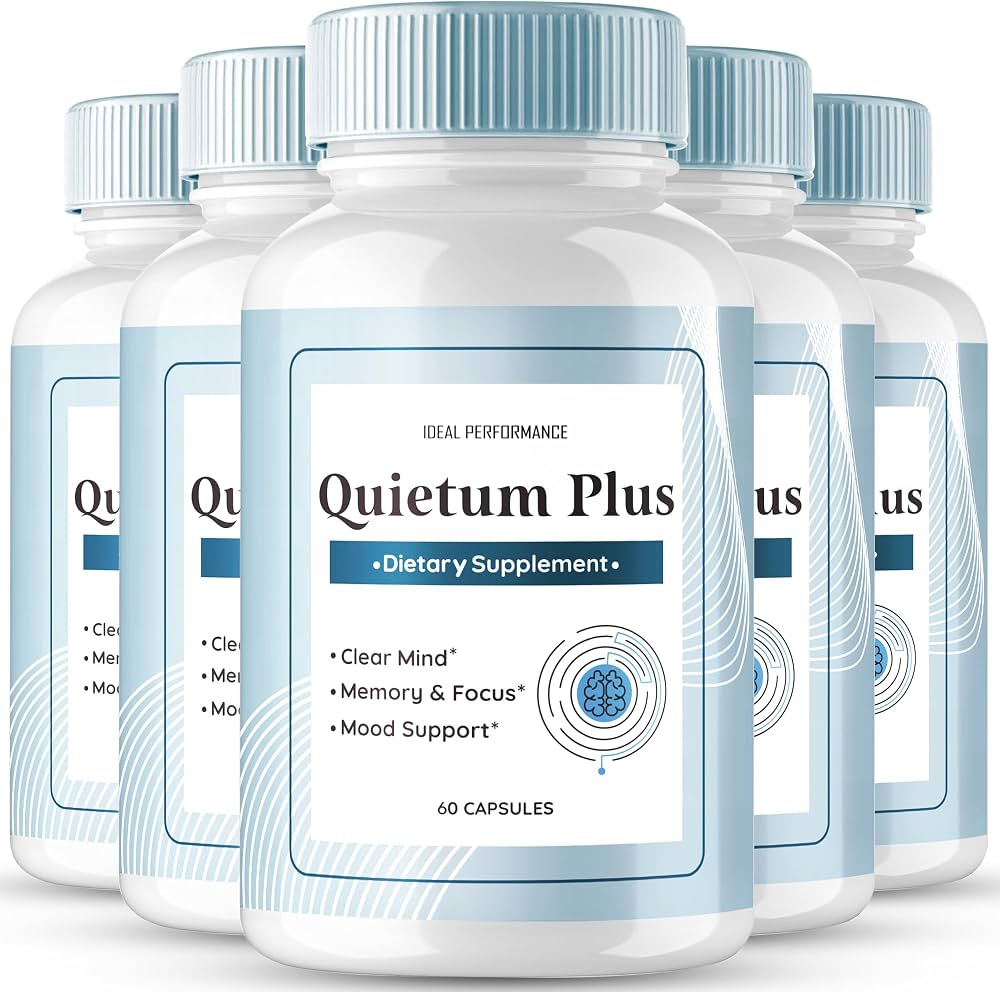
Lifestyle Changes That Reduce Ringing Intensity
Beyond daily habits, certain lifestyle modifications can significantly impact your tinnitus experience over weeks and months.
Sleep Quality Optimization
Poor sleep and tinnitus create a vicious cycle—tinnitus disrupts sleep, and sleep deprivation worsens tinnitus perception. Breaking this cycle is essential.
Practical steps:
- Maintain consistent sleep/wake times (even weekends)
- Keep bedroom temperature cool (65-68°F ideal)
- Use a white noise machine or fan
- Consider a weighted blanket (reduces anxiety, improves sleep depth)
- Avoid eating within 3 hours of bedtime
Noise Protection
Protecting your hearing from loud sounds prevents further auditory damage and stops tinnitus from worsening.
When to use ear protection:
- Concerts and loud venues
- Operating power tools or lawn equipment
- Riding motorcycles
- Using headphones (keep volume below 60%)
Anti-Inflammatory Eating Patterns
Inflammation may worsen tinnitus in some individuals. An anti-inflammatory eating pattern supports overall ear health.
Foods to emphasize:
- Fatty fish (salmon, mackerel, sardines) for omega-3s
- Leafy greens and colorful vegetables
- Berries and citrus fruits
- Nuts and seeds (especially almonds and walnuts)
- Olive oil
Foods to minimize:
- Highly processed foods
- Excessive sugar
- Industrial seed oils
- Excessive sodium (can affect inner ear fluid balance)
Hearing Protection at Work
If your job involves noise exposure, take it seriously. According to WebMD, occupational noise is a significant contributor to tinnitus development and progression.
When to Consider Supplements for Ear Health Support
Let me be clear: no supplement can “cure” tinnitus. Anyone making that claim is being dishonest. However, certain nutrients play documented roles in auditory system function, and addressing deficiencies may support ear health.
Magnesium for Inner Ear Function
This is one of the most promising supplement considerations for tinnitus. Magnesium deficiency affects inner ear function, and supplementation shows improvement in approximately 50% of cases in clinical trials.
Magnesium helps protect the delicate hair cells in your inner ear and supports healthy blood flow. Modern diets are often deficient in this mineral.
Food sources: Spinach, pumpkin seeds, almonds, black beans, avocado
Supplemental forms: Magnesium glycinate is well-absorbed and gentle on the stomach
B Vitamins and Auditory Health
B vitamins, particularly B12, support nerve health throughout your body, including the auditory nerve. Deficiency is more common in adults over 50 and those on certain medications.
Zinc Considerations
Some research suggests zinc supplementation may benefit tinnitus sufferers who are deficient. However, excessive zinc can cause problems, so testing levels before supplementing is wise.
Comprehensive Ear Health Formulas
For those who prefer an all-in-one approach, formulas like
combine multiple ingredients selected for their potential to support auditory system health. These may include herbs traditionally used for ear health alongside vitamins and minerals like those mentioned above.When considering any supplement, look for:
- Transparent ingredient lists
- Good manufacturing practices (GMP) certification
- Realistic claims (not “miracle cures”)
- Money-back guarantees showing company confidence
Comparison: Main Tinnitus Relief Approaches
| Approach | Pros | Cons | Expected Timeline | Cost |
|---|---|---|---|---|
| Sound Therapy | Non-invasive, scientifically supported, can use at home | Requires consistency, some equipment needed | 2-6 weeks for noticeable changes | Low-Medium ($0-200) |
| Lifestyle Changes | Addresses root causes, improves overall health | Results vary, requires discipline | 4-8 weeks | Free-Low |
| Vagus Nerve Exercises | Free, emerging research support, no side effects | Technique matters, newer approach | 2-4 weeks | Free |
| Supplements | Convenient, may address deficiencies | Quality varies, not a cure, cost ongoing | 4-8 weeks | Medium ($30-60/month) |
| Cognitive Behavioral Therapy | Addresses emotional impact, lasting results | Requires therapist, time commitment | 6-12 weeks | Medium-High |
| Hearing Aids | Addresses underlying hearing loss, sound enrichment | Requires professional fitting, visible | Immediate masking, weeks for adaptation | High ($1000-6000) |
Creating Your Personalized Tinnitus Relief Plan
Everyone’s tinnitus is different, which means your optimal relief strategy will be unique to you. Here’s how to build your personalized plan:
Week 1-2: Foundation Phase
Start with the basics:
- Begin morning and evening sound therapy
- Implement the breathing exercises twice daily
- Start tracking your tinnitus (time of day, severity 1-10, potential triggers)
- Ensure adequate hydration
Week 3-4: Expansion Phase
Add additional strategies:
- Introduce vagus nerve exercises
- Begin regular cardiovascular movement
- Consider adding a targeted supplement for ear health support—something likecan complement your lifestyle modifications
- Implement jaw and neck release exercises
Week 5-6: Optimization Phase
Refine based on what’s working:
- Review your tracking journal for patterns
- Double down on strategies showing results
- Consider reducing or eliminating triggers you’ve identified
- Optimize sleep environment if needed
Ongoing: Maintenance Phase
Once you’ve found your effective combination:
- Maintain consistent daily habits
- Continue sound therapy as needed
- Keep stress management practices active
- Address any new triggers quickly
When to Seek Professional Help
While these strategies help most people, consult a healthcare provider if:
- Your tinnitus is only in one ear
- You experience sudden hearing loss alongside tinnitus
- Tinnitus is accompanied by dizziness or vertigo
- You notice pulsing sounds that match your heartbeat
- Symptoms significantly worsen despite consistent effort
Frequently Asked Questions
How long does it take to see tinnitus relief from these methods?
Most people notice initial improvement within 2-4 weeks of consistent practice, with more significant relief developing over 6-8 weeks. Sound therapy often produces the quickest results, while lifestyle changes and supplements typically require more time. The key is consistency—sporadic effort rarely produces meaningful change.
Can tinnitus go away completely?
For some people, yes—especially when tinnitus is linked to temporary factors like medication, acute noise exposure, or ear infections. For chronic tinnitus related to hearing changes, complete elimination is less common, but significant reduction in perception and distress is achievable for most people with consistent effort.
Are supplements safe to take for tinnitus relief?
Quality supplements from reputable manufacturers are generally safe for most adults. However, you should always consult your healthcare provider before starting any supplement, especially if you take medications or have health conditions. Look for products with transparent labeling and good manufacturing practices.
Does sound therapy work while sleeping?
Yes, and for many people, overnight sound therapy is particularly valuable. Using continuous low-level background sound during sleep prevents the brain from focusing on tinnitus during quiet nighttime hours. Many people report both better sleep quality and reduced tinnitus perception upon waking.
What makes tinnitus worse that I should avoid?
Common tinnitus aggravators include loud noise exposure, excessive caffeine or alcohol, high stress levels, poor sleep, certain medications (especially high-dose aspirin and some antibiotics), and sodium-heavy diets. Tracking your personal triggers helps identify your specific sensitivities.
Take the Next Step Toward Quieter Days
Living with tinnitus is challenging, but you have more control than you might think. The strategies outlined in this article—sound therapy, vagus nerve exercises, lifestyle modifications, and targeted nutritional support—work together to address tinnitus from multiple angles.
Start with one or two approaches today. Track your progress. Build momentum. Most people who commit to these evidence-based strategies experience meaningful improvement within weeks.
If you’re looking for comprehensive nutritional support alongside your tinnitus relief plan, consider exploring a targeted formula designed specifically for ear health.
Quietum Plus combines carefully selected ingredients to support your auditory system while you implement the lifestyle strategies that create lasting change. With a satisfaction guarantee, you can try it alongside your personalized relief plan with confidence.
The ringing doesn’t have to control your life. Your journey to tinnitus relief starts with a single step—take it today.
Frequently Asked Questions
What are the 7 proven ways to get tinnitus relief?
The seven most evidence-supported strategies include sound therapy, cognitive behavioral therapy (CBT), hearing aids, dietary changes, stress reduction techniques, targeted supplementation, and ear protection practices. Combining several approaches typically yields better results than relying on a single method.
How does sound therapy help with tinnitus?
Sound therapy uses external noise—such as white noise, nature sounds, or notched music—to mask or habituate the brain to tinnitus sounds. Over time, it can reduce the perceived loudness and emotional distress associated with ear ringing.
Can cognitive behavioral therapy (CBT) reduce tinnitus?
CBT is one of the most well-researched and effective treatments for tinnitus-related distress. It does not eliminate the sound itself, but it helps patients change their emotional and cognitive responses to tinnitus, significantly improving quality of life.
What dietary changes can help relieve tinnitus?
Reducing sodium, caffeine, and alcohol intake can help minimize tinnitus flare-ups by improving blood flow and reducing inflammation in the auditory system. Increasing intake of magnesium-rich foods and staying well-hydrated may also support ear health.
Are tinnitus relief supplements worth trying?
Supplements such as magnesium, zinc, ginkgo biloba, and B12 have shown modest benefits for some tinnitus sufferers in clinical studies. They are generally low-risk and may be worth trying as part of a comprehensive management plan, especially if nutritional deficiencies are present.
📚 Related Articles on Tinnitus & Ear Health
This article is for informational purposes only. Always consult a qualified healthcare professional before starting any supplement or treatment.