
Male Enhancement: Science-Backed Treatments That Work in 2026
Last Updated: January 2026
Affiliate Disclaimer: This article contains affiliate links. We may earn a commission at no extra cost to you.
Medical Disclaimer: This article is for informational purposes only. Always consult a qualified healthcare professional before starting any supplement or treatment.
## Quick Summary
– 40% of men over 40 experience some form of erectile dysfunction, increasing to 70% by age 70
– Testosterone naturally declines 1-2% annually after age 30, affecting libido and performance
– Clinical treatments (PDE5 inhibitors) offer rapid results but require prescriptions and may cause side effects
– Natural supplements like L-citrulline can increase nitric oxide production by 20-30%, supporting healthy blood flow
– Combination approaches (lifestyle + supplements) show 67% improvement rates versus 45% for single interventions
– Evidence-based ingredients to look for: L-citrulline, Tribulus terrestris, Tongkat Ali, and Maca root
Let’s have an honest conversation.
If you’re a man over 35 and you’ve noticed changes in the bedroom—whether it’s decreased desire, less reliable erections, or simply not feeling like the man you used to be—you’re not alone. In fact, you’re in the majority.
The challenge? Navigating the overwhelming (and often misleading) world of male enhancement solutions. Between late-night infomercials promising miraculous results and prescription medications with concerning side effects, finding what actually works based on real science can feel impossible.
That’s why I’ve written this comprehensive guide. As a health writer with a background in integrative medicine, I’ve spent months reviewing the latest 2026 research on male sexual health to bring you an evidence-based comparison of what truly works—and what’s just marketing hype.
Understanding Male Sexual Health Decline: Causes and Science
Before we dive into solutions, let’s understand what’s actually happening in your body. Knowledge is power, and understanding the “why” helps you make smarter decisions about the “how.”
The Numbers Don’t Lie
According to the National Institutes of Health (NIH), approximately 40% of men over 40 experience some degree of erectile dysfunction. By age 70, that number jumps to nearly 70%. But here’s what’s crucial to understand: erectile dysfunction is almost always a symptom, not a standalone condition.
The Three Pillars of Male Sexual Function
Male sexual health relies on three interconnected systems:
1. Vascular Health (Blood Flow) Erections are fundamentally a blood flow event. When aroused, nitric oxide signals blood vessels in the penis to relax and expand, allowing increased blood flow. Anything that impairs circulation—atherosclerosis, diabetes, high blood pressure—directly impacts erectile quality.
2. Hormonal Balance (Testosterone) Testosterone is the master hormone of male sexuality. It drives libido, supports erectile function, and influences energy levels. Here’s the sobering reality: testosterone levels naturally decline 1-2% annually after age 30. By 50, many men are operating with significantly reduced hormonal support.
3. Neurological Signaling Sexual response begins in the brain. Stress, anxiety, depression, and certain medications can disrupt the neural pathways responsible for arousal and performance.
Common Underlying Causes
The Mayo Clinic identifies several primary contributors to sexual health decline:
- Cardiovascular disease and poor circulation
- Type 2 diabetes (damages blood vessels and nerves)
- Obesity (linked to lower testosterone and vascular issues)
- Chronic stress and mental health conditions
- Medication side effects (especially blood pressure medications and antidepressants)
- Sleep disorders, particularly sleep apnea
- Sedentary lifestyle and poor nutrition
Understanding these causes is essential because effective treatment often means addressing root causes—not just symptoms.
Clinical Treatments: Prescription Options and Medical Interventions
Let’s start with what conventional medicine offers. These treatments have robust clinical evidence behind them, but they also come with important considerations.
PDE5 Inhibitors: The Gold Standard
Phosphodiesterase type 5 (PDE5) inhibitors—including sildenafil (Viagra), tadalafil (Cialis), and vardenafil (Levitra)—remain the first-line medical treatment for erectile dysfunction.
How They Work: These medications block the PDE5 enzyme, which normally breaks down cyclic GMP (the molecule that keeps blood vessels relaxed). The result? Enhanced blood flow when sexually aroused.
Effectiveness: Studies show 60-70% of men experience improved erections with PDE5 inhibitors.
Considerations:
- Require a prescription and medical evaluation
- Don’t work for everyone (particularly those with severe vascular damage)
- Common side effects include headaches, flushing, nasal congestion, and visual changes
- Dangerous when combined with nitrate medications
- Don’t address underlying causes
- Can cost $30-70 per pill without insurance
Testosterone Replacement Therapy (TRT)
For men with clinically low testosterone (hypogonadism), TRT can be life-changing. Available as injections, gels, patches, or pellets, TRT directly replaces deficient testosterone.
When It’s Appropriate: TRT is indicated when blood tests confirm low testosterone (typically below 300 ng/dL) AND you’re experiencing symptoms.
Important Caveats:
- Requires ongoing medical supervision
- May suppress natural testosterone production
- Potential side effects include acne, sleep apnea, and elevated red blood cell counts
- Long-term cardiovascular effects still being studied
- Not appropriate for men wanting to preserve fertility
Other Medical Interventions
- Penile injections: Alprostadil injected directly into the penis (highly effective but invasive)
- Vacuum erection devices: Mechanical solution with no systemic side effects
- Penile implants: Surgical option for severe cases unresponsive to other treatments
- Shockwave therapy: Emerging treatment using low-intensity sound waves to stimulate blood vessel growth
Natural Male Enhancement Solutions: Evidence-Based Supplements
Now let’s explore what the supplement world offers—separating science from snake oil.
The natural supplement industry is flooded with products making outrageous claims. However, certain compounds have legitimate clinical evidence supporting their use for male sexual health. The key is knowing which ones actually work and setting realistic expectations.
Ingredients With Real Science Behind Them
L-Citrulline and L-Arginine
These amino acids are precursors to nitric oxide, the molecule essential for vascular dilation and healthy blood flow. Research published in peer-reviewed journals shows that L-citrulline supplementation can increase nitric oxide production by 20-30%—effects comparable to low-dose PDE5 inhibitors for mild erectile concerns.
L-citrulline is generally preferred over L-arginine because it’s better absorbed and more effectively converted to nitric oxide in the body.
Tribulus Terrestris
This plant extract has been used in traditional medicine for centuries. Modern research suggests it may support healthy testosterone levels by influencing luteinizing hormone. While it won’t dramatically increase testosterone in healthy men, it may help optimize levels in those on the lower end of normal.
Tongkat Ali (Eurycoma Longifolia)
Also known as Malaysian Ginseng, Tongkat Ali has shown promise in multiple studies for supporting testosterone levels and improving sexual function. A 2012 study found that supplementation significantly improved erectile function scores and libido in men with mild erectile dysfunction.
Maca Root
This Peruvian plant has demonstrated libido-enhancing effects in several clinical trials—interestingly, without directly affecting hormone levels. Researchers believe it may work through different mechanisms related to mood and energy.
Panax Ginseng
Often called “herbal Viagra,” Panax ginseng has shown mild-to-moderate benefits for erectile function in multiple studies. It appears to work through nitric oxide pathways and may have stress-reducing effects.
What Natural Supplements Can (and Cannot) Do
Realistic expectations:
- Support healthy blood flow and circulation
- Help optimize natural testosterone production
- Enhance libido and sexual desire
- Improve energy and reduce fatigue
- Complement other treatments and lifestyle changes
What they won’t do:
- Cure underlying medical conditions
- Replace prescription medications for severe erectile dysfunction
- Dramatically increase penis size (despite what ads claim)
- Work overnight—most require consistent use for weeks
This is where comprehensive formulas like
become relevant. Rather than taking multiple individual supplements, EndoPeak combines 8 clinically-studied ingredients into one formula designed to support multiple aspects of male sexual health simultaneously.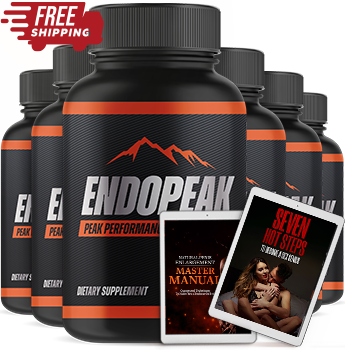
Testosterone Boosters: What Actually Works in 2026
The testosterone booster market is particularly rife with exaggerated claims. Let’s cut through the noise with current research.
The Reality of Natural Testosterone Support
First, a truth bomb: No legal, over-the-counter supplement will dramatically increase testosterone levels in the way TRT does. If your testosterone is genuinely low, you need medical evaluation and potentially prescription treatment.
However, natural compounds can:
- Help optimize testosterone within your natural range
- Support the body’s own testosterone production
- Reduce conversion of testosterone to estrogen
- Improve free testosterone (the usable form)
Evidence-Based Testosterone-Supporting Compounds
Vitamin D3 Often called a “pro-hormone,” vitamin D is essential for testosterone production. Studies show that men deficient in vitamin D often have lower testosterone, and supplementation can help normalize levels.
Zinc This mineral is crucial for testosterone synthesis. Zinc deficiency is surprisingly common and directly impacts testosterone production. However, supplementing beyond what corrects deficiency doesn’t provide additional benefits.
Ashwagandha (KSM-66) This adaptogenic herb has shown promise in multiple studies for supporting testosterone levels, particularly in stressed individuals. It may work partly by reducing cortisol, which can suppress testosterone production.
Fenugreek Research suggests fenugreek may help maintain healthy testosterone levels by inhibiting enzymes that convert testosterone to estrogen.
D-Aspartic Acid This amino acid plays a role in testosterone synthesis and has shown modest benefits in some studies, though results are mixed.
Red Flags in Testosterone Products
Be wary of products that:
- Promise specific testosterone percentage increases
- Claim “pharmaceutical-grade” results
- Use proprietary blends that hide ingredient amounts
- Feature before/after photos that seem too dramatic
- Lack third-party testing verification
Comparing Treatment Effectiveness: Clinical vs. Natural Approaches
Let’s put everything into perspective with a direct comparison:
| Factor | Clinical Treatments (PDE5 Inhibitors) | Natural Supplements | Combination Approach |
|---|---|---|---|
| Effectiveness Rate | 60-70% for ED symptoms | 30-50% for mild-moderate concerns | 67% (per combination therapy studies) |
| Speed of Results | 30-60 minutes (per dose) | 2-8 weeks for full effects | Varies |
| Side Effects | Common (headaches, flushing, etc.) | Generally minimal | Depends on components |
| Addresses Root Causes | No (symptom management) | Partially | Yes (when lifestyle included) |
| Requires Prescription | Yes | No | Varies |
| Cost (Monthly) | $100-500+ | $30-80 | Varies |
| Long-term Sustainability | Ongoing medication needed | Can be maintained indefinitely | Best long-term outcomes |
| Best For | Moderate-severe ED, immediate needs | Mild concerns, prevention, optimization | Comprehensive improvement |
The Case for Combination Therapy
Here’s perhaps the most important statistic in this article: Combination therapy approaches show 67% improvement rates versus 45% for single-intervention approaches.
What does this mean practically? Men who address sexual health through multiple channels—optimizing lifestyle factors while using supportive supplements—see significantly better outcomes than those relying on any single solution.
This is why I recommend a multi-faceted approach: address lifestyle factors (covered next), consider evidence-based supplementation, and consult with a healthcare provider about whether clinical treatments are appropriate for your situation.
Lifestyle Modifications That Amplify Treatment Results
No pill—prescription or natural—can fully compensate for an unhealthy lifestyle. These modifications form the foundation of any effective male enhancement strategy.
Exercise: The Most Powerful Natural Intervention
Cardiovascular exercise directly improves the vascular health essential for erectile function. The American Heart Association notes that regular aerobic exercise can improve endothelial function (blood vessel health) by 25-30%.
Resistance training supports healthy testosterone levels and improves body composition. Studies show that compound exercises like squats and deadlifts can acutely boost testosterone production.
Recommendation: Aim for 150 minutes of moderate cardio plus 2-3 strength training sessions weekly.
Nutrition for Sexual Health
Key dietary strategies:
- Increase nitrate-rich foods: Beets, leafy greens, and pomegranate naturally boost nitric oxide
- Emphasize healthy fats: Olive oil, avocados, and fatty fish support hormone production
- Limit processed foods: Refined sugars and trans fats impair vascular function
- Moderate alcohol: More than 2 drinks daily significantly impairs sexual function
- Maintain healthy weight: Obesity is strongly linked to both low testosterone and erectile dysfunction
Sleep: The Overlooked Factor
Testosterone production peaks during deep sleep. Men who consistently get less than 6 hours of sleep show significantly lower testosterone levels than those getting 7-8 hours. Prioritizing sleep hygiene is essential for sexual health.
Stress Management
Chronic stress elevates cortisol, which directly suppresses testosterone and triggers the “fight or flight” response—the opposite of the relaxation needed for sexual arousal. Practices like meditation, deep breathing, and regular exercise help manage stress effectively.
Choosing the Right Sexual Health Supplement: Key Ingredients
If you’re considering a natural supplement, here’s what to look for on the label.
Non-Negotiable Ingredients
- L-Citrulline or L-Arginine (preferably citrulline) – For nitric oxide support
- Tribulus Terrestris – Traditional libido enhancer
- Tongkat Ali – Testosterone and performance support
- Zinc – Essential mineral for testosterone production
- Vitamin D3 – Hormonal optimization
Bonus Ingredients With Supporting Evidence
- Maca Root (libido enhancement)
- Panax Ginseng (circulation and energy)
- Fenugreek (testosterone maintenance)
- Ashwagandha (stress reduction and testosterone support)
- Horny Goat Weed/Icariin (PDE5 inhibition, though weaker than prescription)
Quality Markers to Verify
- Third-party testing (look for NSF, USP, or ConsumerLab verification)
- Transparent labeling (exact amounts, no proprietary blends hiding dosages)
- GMP-certified manufacturing
- Clear contact information and company reputation
- Realistic claims (be wary of “miracle” promises)
Products like
have gained attention because they combine multiple evidence-based ingredients in one formula, simplifying supplementation while covering multiple mechanisms of action. This comprehensive approach aligns with the combination therapy research showing superior outcomes.Real Results: What to Expect From Different Treatment Options
Let’s set realistic expectations based on current research.
Timeline Expectations
Prescription PDE5 Inhibitors:
- Work within 30-60 minutes of taking
- Effects last 4-36 hours depending on medication
- No cumulative benefit—works dose by dose
Natural Supplements:
- Week 1-2: May notice subtle energy improvements
- Week 3-4: Libido enhancement typically begins
- Week 6-8: Full effects on erectile function manifest
- Ongoing: Benefits maintain with consistent use
Lifestyle Changes:
- Week 1-4: Energy and mood improvements
- Month 2-3: Measurable improvements in vascular health markers
- Month 3-6: Significant improvements in sexual function
- Long-term: Sustained benefits that compound over time
What Success Looks Like
Realistic outcomes from a comprehensive approach:
- Improved morning erections (a sign of healthy erectile function)
- Increased spontaneous sexual thoughts and desire
- More reliable erections during intimacy
- Improved stamina and reduced fatigue
- Better overall energy and confidence
When to Seek Medical Help
Consult a healthcare provider if:
- You have complete inability to achieve erections
- Symptoms developed suddenly
- You have underlying cardiovascular disease or diabetes
- You experience pain with erections
- Natural approaches haven’t helped after 3 months
- You’re considering prescription medications
Frequently Asked Questions
What is the most effective male enhancement treatment in 2026?
The most effective approach depends on the severity of your concerns and underlying causes. For immediate, significant erectile dysfunction, prescription PDE5 inhibitors (Viagra, Cialis) remain the most clinically proven option with 60-70% effectiveness rates. However, research shows that combination approaches—combining lifestyle modifications, evidence-based supplements, and medical treatment when needed—produce the best long-term outcomes, with 67% improvement rates compared to 45% for single interventions.
Do natural male enhancement supplements actually work?
Some natural supplements have legitimate scientific evidence supporting their use, though results are typically more modest than prescription medications. Ingredients like L-citrulline (which increases nitric oxide by 20-30%), Tongkat Ali, and Tribulus Terrestris have shown benefits in clinical studies. They work best for mild-to-moderate concerns and as part of a comprehensive approach including lifestyle optimization. Be skeptical of products making dramatic claims, and always look for formulas with transparent, clinically-studied ingredients.
How long does it take for male enhancement supplements to work?
Unlike prescription medications that work within an hour, natural supplements require consistent use over several weeks. Most men begin noticing libido improvements around weeks 3-4, with full effects on erectile function typically manifesting by weeks 6-8. Some ingredients, like those supporting nitric oxide production, may show subtle benefits sooner. For best results, take supplements consistently as directed and combine with healthy lifestyle practices.
Are there side effects from male enhancement supplements?
Quality natural supplements generally have fewer and milder side effects than prescription medications. Common experiences may include mild digestive upset initially, increased energy, or occasional headaches. However, supplements can interact with medications and may not be appropriate for everyone. Men taking blood pressure medications, blood thinners, or those with heart conditions should consult a healthcare provider before starting any supplement regimen.
Can lifestyle changes alone improve erectile function?
Yes, particularly for men with mild-to-moderate concerns related to lifestyle factors. Research shows that regular exercise improves endothelial function by 25-30%, weight loss can significantly boost testosterone levels, and dietary changes can enhance nitric oxide production. For some men, optimizing lifestyle factors may be sufficient. However, combining lifestyle changes with evidence-based supplements shows superior results (67% vs. 45% improvement rates), and men with more significant concerns may also benefit from medical evaluation.
Take the Next Step Toward Better Sexual Health
If you’ve read this far, you’re clearly serious about improving your sexual health—and that commitment is the first step toward real results.
Here’s what I recommend:
- Start with lifestyle foundations: Implement the exercise, nutrition, and sleep strategies outlined above
- Consider evidence-based supplementation: Look for products with the key ingredients we discussed
- Give it time: Expect 6-8 weeks for natural approaches to show full effects
- Track your progress: Note changes in energy, libido, and erectile function
- Consult a professional: If concerns persist or are severe, see a healthcare provider
For men looking for a convenient, comprehensive supplement option,
offers a formula combining 8 clinically-studied ingredients designed to support male sexual health through multiple mechanisms. It addresses blood flow, hormonal optimization, and libido enhancement in one daily supplement.Remember: there’s no shame in addressing sexual health concerns. It’s a normal part of aging that affects the majority of men—and with the right approach, significant improvement is absolutely possible.
Here’s to your health and vitality.
*This article was last reviewed and updated in January 2026. Information is based on current clinical research and is
Frequently Asked Questions
What science-backed treatments actually work for male enhancement?
Clinically supported approaches include PDE5 inhibitors (prescribed medications), pelvic floor exercises, and lifestyle changes such as improved cardiovascular fitness and weight management, all of which have robust evidence for improving erectile function. Certain supplements like L-arginine and zinc also demonstrate measurable benefits in peer-reviewed studies.
Which supplements have the best evidence for male sexual health?
L-arginine, an amino acid precursor to nitric oxide, has been shown in several studies to improve blood flow and erectile function at sufficient doses. Ashwagandha and fenugreek have also demonstrated benefits for testosterone levels and sexual satisfaction in controlled trials.
How do lifestyle factors affect male sexual performance?
Cardiovascular health, body weight, sleep quality, and stress levels are all strongly linked to erectile function and sexual performance because they directly influence blood flow, hormone production, and nervous system regulation. Regular aerobic exercise and a Mediterranean-style diet are among the most impactful evidence-based interventions.
Are male enhancement supplements safe to use?
Reputable supplements with transparent ingredient lists and third-party testing are generally safe for healthy men, but quality varies widely across the market. Men with heart conditions, diabetes, or hormonal disorders should consult a physician before using any enhancement product, as some ingredients can interact with medications.
When should a man see a doctor about sexual performance issues?
Persistent erectile dysfunction, sudden changes in libido, or performance issues accompanied by symptoms like fatigue, depression, or pain warrant a medical evaluation, as they can signal underlying conditions such as low testosterone, cardiovascular disease, or diabetes. Early diagnosis and treatment typically leads to better outcomes than self-treating with supplements alone.