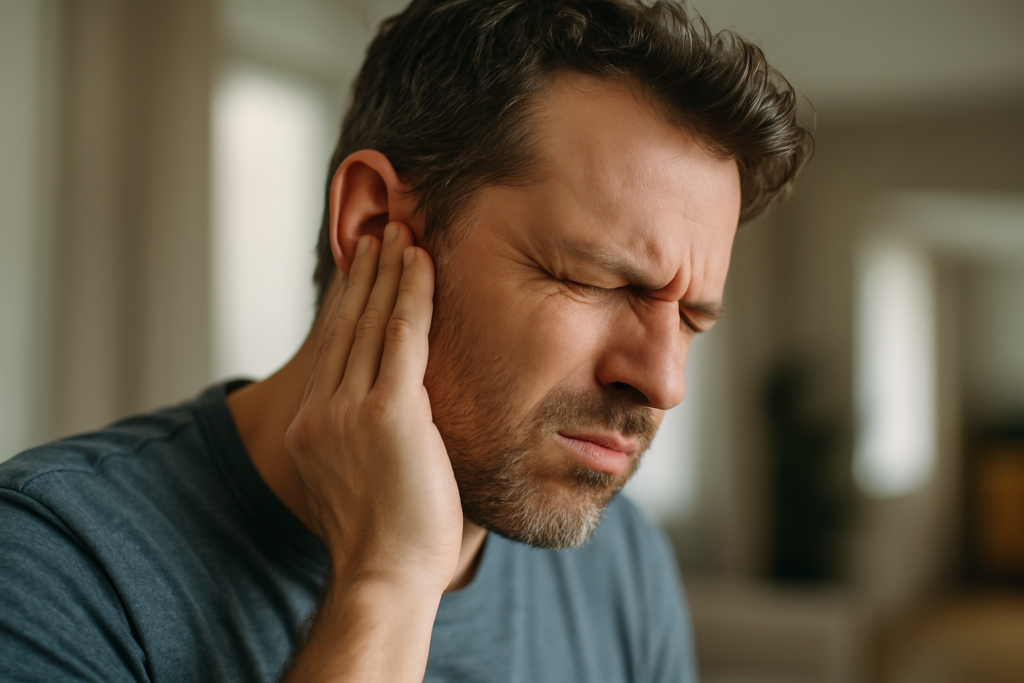
Tinnitus Relief Guide: Causes, Treatment & Myths (2026)
This article is for informational purposes only. Always consult a qualified healthcare professional before starting any supplement or treatment.
This article contains affiliate links. We may earn a commission at no extra cost to you.
Quick Summary
Key Takeaways:
– Tinnitus affects 15-20% of adults (over 50 million Americans), with prevalence increasing with age
– About 90% of tinnitus cases occur alongside some degree of hearing loss
– The condition involves abnormal neural activity in the brain, not just ear problems
– Treatment options range from sound therapy and cognitive behavioral therapy to lifestyle changes and nutritional support
– Certain nutrient deficiencies (B12, magnesium, zinc) correlate with increased tinnitus severity
– While there’s no universal “cure,” many people find significant relief through a combination of approaches
If you’ve ever experienced a persistent ringing, buzzing, or humming in your ears that no one else can hear, you’re far from alone. Tinnitus—that phantom sound that seems to come from nowhere—affects millions of people worldwide, ranging from a mild annoyance to a life-disrupting condition.
The good news? We’ve learned more about tinnitus in the past decade than in the previous century. And while there’s no magic pill that makes it disappear overnight, there are genuine, evidence-based strategies that can help you find meaningful relief.
In this comprehensive guide, we’ll cut through the noise (pun intended), debunk persistent myths, and give you practical tools to manage tinnitus effectively in 2026.
What Is Tinnitus? Understanding Ear Ringing
Tinnitus (pronounced ti-NIGHT-us or TIN-i-tus—both are correct) is the perception of sound when no external sound source exists. Most people describe it as ringing, but tinnitus can manifest as buzzing, hissing, whistling, whooshing, clicking, or even musical tones.
Here’s what many people don’t realize: tinnitus isn’t a disease itself. It’s a symptom—a signal that something in your auditory system needs attention. According to the Mayo Clinic, tinnitus affects approximately 15-20% of people, and it’s especially common in older adults.
The phantom sounds you hear are generated by your brain, not your ears. When the auditory system is damaged or disrupted, your brain sometimes “fills in the gaps” by creating its own signals. Think of it like a radio trying to find a station—when it can’t lock onto a clear signal, you get static.
This understanding has revolutionized how we approach tinnitus relief. It’s not just an ear problem; it’s a brain-ear connection issue.
Common Causes of Tinnitus and Risk Factors
Understanding what triggers tinnitus is the first step toward finding relief. The causes are varied, but several key factors emerge consistently:
Hearing Loss
This is the most common culprit. About 90% of people with tinnitus have some degree of hearing loss, according to the National Institute on Deafness and Other Communication Disorders (NIDCD). When hair cells in your inner ear are damaged, they can send random electrical impulses to your brain, which interprets them as sound.
Noise Exposure
Loud concerts, power tools, firearms, or years of occupational noise exposure can damage the delicate structures of your inner ear. This damage is often cumulative and irreversible.
Age-Related Changes
Presbycusis (age-related hearing loss) naturally occurs as we get older, and tinnitus often accompanies this process.
Other Medical Factors
- Earwax blockage (often easily treatable)
- Ear infections or sinus infections
- Meniere’s disease
- TMJ disorders (jaw joint problems)
- Head or neck injuries
- Certain medications (including some antibiotics, cancer drugs, diuretics, and high doses of aspirin)
- Cardiovascular issues affecting blood flow to the ears
Risk Factors That Increase Your Chances
- Smoking
- Excessive alcohol consumption
- Obesity
- Cardiovascular disease
- High blood pressure
- History of anxiety or depression
Types of Tinnitus: Subjective vs Objective
Not all tinnitus is created equal. Understanding which type you have can guide treatment decisions.
Subjective Tinnitus
This is by far the most common type, accounting for over 99% of cases. Only you can hear the sounds. Subjective tinnitus is caused by problems in the outer, middle, or inner ear, or by issues with the auditory nerves and the brain’s auditory processing centers.
Objective Tinnitus
This rare form—less than 1% of cases—produces sounds that a doctor can actually hear during an examination. It’s typically caused by blood vessel problems, muscle contractions, or inner ear bone conditions. Objective tinnitus often has identifiable, treatable causes.
Pulsatile Tinnitus
A subtype worth mentioning: pulsatile tinnitus creates a rhythmic sound that usually beats in time with your heart. This type warrants prompt medical evaluation, as it can indicate blood vessel abnormalities near the ear.
Tinnitus Symptoms Beyond Ringing in Ears
While “ringing in the ears” is the classic description, tinnitus symptoms are surprisingly diverse:
Sound Variations
- High-pitched ringing or whining
- Low-frequency humming or rumbling
- Buzzing, hissing, or static-like sounds
- Clicking or roaring
- Musical hallucinations (rare)
Associated Symptoms
- Difficulty concentrating
- Sleep disturbances
- Fatigue
- Memory problems
- Anxiety or depression
- Irritability
- Sensitivity to loud sounds (hyperacusis)
Intensity Patterns
Tinnitus can be:
- Constant or intermittent
- Present in one ear or both
- Varying in volume throughout the day
- Worse during quiet moments (especially at night)
- Affected by stress, fatigue, or caffeine intake
Medical Diagnosis: When to See a Doctor
Many people delay seeking help, assuming nothing can be done. But proper diagnosis is crucial—both to rule out serious conditions and to find the most effective treatment approach.
See a Doctor If:
- Your tinnitus is sudden or severe
- You experience tinnitus in only one ear
- You have pulsatile (heartbeat-synced) tinnitus
- Tinnitus is accompanied by hearing loss, dizziness, or vertigo
- The sound significantly impacts your quality of life
- You have tinnitus after a head injury or ear infection
What to Expect During Diagnosis
Your healthcare provider will likely:
- Review your medical history and medications
- Perform a physical examination of your ears, head, and neck
- Conduct hearing tests (audiological exam)
- Order imaging tests (CT or MRI) if needed
- Evaluate for underlying conditions
A thorough evaluation helps identify treatable causes and guides your personalized treatment plan.
Conventional Tinnitus Treatment Options
Modern medicine offers several evidence-based approaches to tinnitus management:
Sound Therapy
Using external sounds to mask or reduce the perception of tinnitus. Options include:
- White noise machines
- Hearing aids (for those with hearing loss)
- Tinnitus masking devices
- Notched sound therapy
Cognitive Behavioral Therapy (CBT)
The American Tinnitus Association considers CBT one of the most effective treatments. It doesn’t eliminate tinnitus but changes how you react to it, reducing distress significantly.
Tinnitus Retraining Therapy (TRT)
Combines sound therapy with directive counseling to help your brain reclassify tinnitus as a neutral signal rather than a disturbing one.
Medications
While no FDA-approved medication specifically treats tinnitus, doctors may prescribe:
- Anti-anxiety medications
- Antidepressants
- Medications for underlying conditions
Medical Procedures
For specific causes:
- Earwax removal
- Treatment of blood vessel conditions
- Surgery for rare structural problems
Natural Remedies and Supplements for Tinnitus Relief
Many people seek natural approaches to complement conventional treatments. While research is ongoing, several natural strategies show promise:
Nutritional Support
Studies have found correlations between certain nutrient deficiencies and tinnitus severity:
Vitamin B12: Research published in the American Journal of Otolaryngology found that B12 deficiency was common among tinnitus patients, and supplementation helped some individuals.
Magnesium: This mineral supports healthy nerve function and may protect against noise-induced hearing damage.
Zinc: The inner ear has high concentrations of zinc, and deficiency has been linked to tinnitus in some studies, according to WebMD.
Ginkgo Biloba: While results are mixed, some studies suggest it may improve blood circulation to the inner ear.
Comprehensive Ear Health Supplements
For those interested in a multi-ingredient approach, supplements like
combine several nutrients that support ear and auditory system health. These formulas typically include ingredients targeting neural health, circulation, and inflammation—all factors that can influence tinnitus.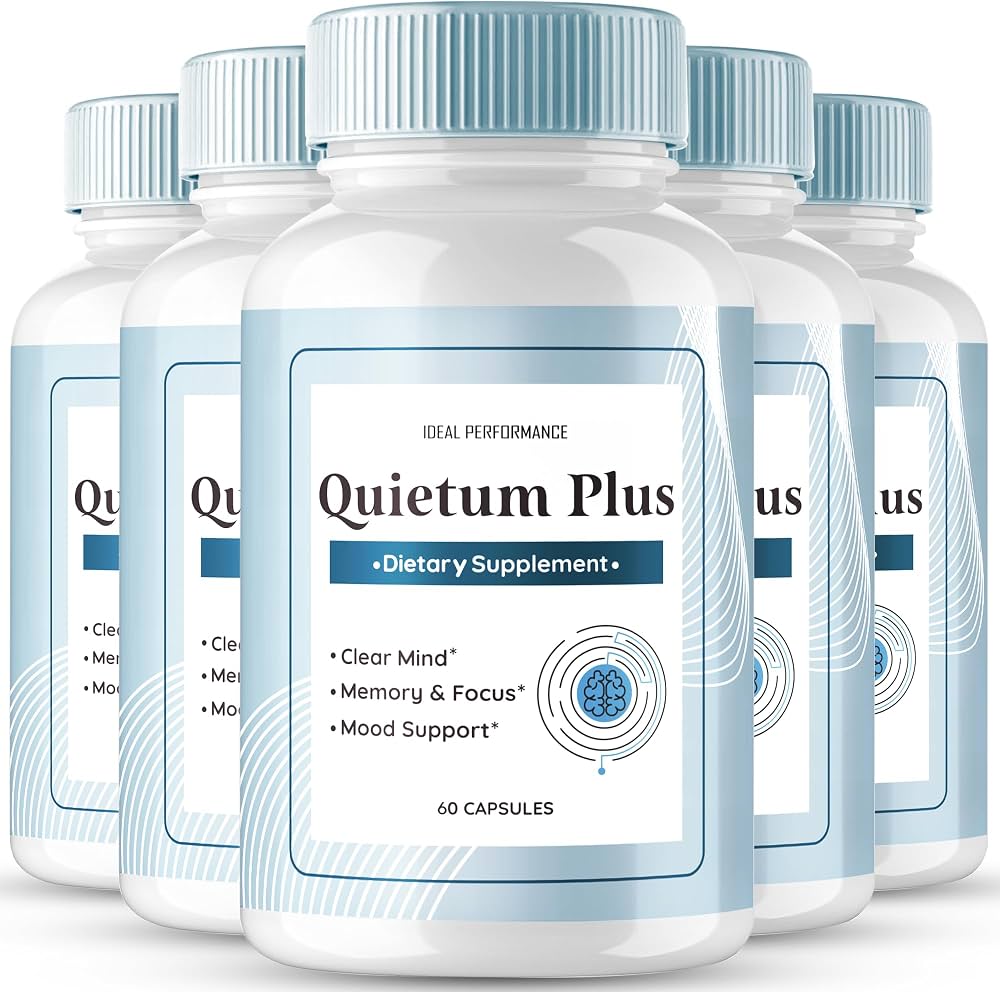
Note: Supplements are not miracle cures. They work best as part of a comprehensive approach and may support—not replace—medical treatment.
Herbal Approaches
- Ginkgo biloba (circulation support)
- Melatonin (for tinnitus-related sleep issues)
- Lemon bioflavonoids
- Garlic (cardiovascular support)
Tinnitus Myths vs Facts: What Science Says
Let’s separate truth from fiction:
| Myth | Fact |
|---|---|
| Tinnitus means you’re going deaf | Not necessarily. While often associated with hearing loss, many people with tinnitus have normal hearing |
| Nothing can be done about tinnitus | False. Multiple evidence-based treatments can significantly reduce tinnitus distress |
| Tinnitus is always permanent | Not true. Some cases resolve when underlying causes are treated |
| Only older people get tinnitus | Increasingly affecting younger adults due to earphone use and loud music exposure |
| Cutting out caffeine will cure tinnitus | Research doesn’t support this. Sudden caffeine withdrawal may actually worsen symptoms |
| Supplements can cure tinnitus | No supplement can “cure” tinnitus, but certain nutrients may support ear health and reduce severity |
| Tinnitus is “all in your head” | While the brain plays a key role, tinnitus is a real neurological phenomenon—not imaginary |
Lifestyle Changes That Support Ear Health
These evidence-based lifestyle modifications can make a meaningful difference:
Protect Your Hearing
- Use earplugs at concerts, sporting events, and around loud equipment
- Follow the 60/60 rule: Listen at 60% volume for no more than 60 minutes
- Take “sound breaks” to give your ears rest
Manage Stress
Stress and tinnitus have a bidirectional relationship—each makes the other worse. Consider:
- Meditation and deep breathing exercises
- Regular physical activity
- Yoga or tai chi
- Professional counseling if needed
Optimize Sleep
- Maintain consistent sleep schedules
- Use white noise or nature sounds at bedtime
- Create a cool, dark sleeping environment
- Avoid screens before bed
Dietary Considerations
- Reduce sodium (may affect inner ear fluid balance)
- Moderate caffeine and alcohol
- Eat anti-inflammatory foods (omega-3s, fruits, vegetables)
- Stay hydrated
Cardiovascular Health
Good blood flow supports ear health. Focus on:
- Regular exercise
- Healthy blood pressure management
- Not smoking
- Maintaining healthy cholesterol levels
For additional nutritional support, some people find value in supplements specifically formulated for ear health.
is one option that combines multiple ingredients designed to support the auditory system naturally.Managing Tinnitus: Coping Strategies and Sound Therapy
Living well with tinnitus is absolutely possible. Here are practical coping strategies:
Sound Enrichment
Never sit in complete silence. Use:
- Fans or air purifiers
- Tabletop water features
- Tinnitus relief apps
- Nature sounds (rain, ocean, forest)
Habituation
Over time, most people’s brains learn to “tune out” tinnitus. You can accelerate this process by:
- Not focusing on the sound
- Staying mentally engaged in activities
- Using sound therapy consistently
Support Networks
- Join tinnitus support groups (online or in-person)
- Share experiences with others who understand
- Consider professional counseling
Mindfulness and Acceptance
- Practice mindfulness meditation
- Use acceptance-based approaches
- Focus on what you can control
Comparison Table: Tinnitus Relief Approaches
| Approach | Pros | Cons | Best For |
|---|---|---|---|
| Sound Therapy | Non-invasive, immediate relief, various options | Requires consistent use, masks rather than treats | Nighttime relief, mild-moderate tinnitus |
| CBT | Addresses emotional impact, long-lasting results, evidence-based | Requires time commitment, needs trained therapist | Those with significant distress, anxiety |
| Hearing Aids | Addresses underlying hearing loss, improves communication | Cost, not everyone has hearing loss | Tinnitus with hearing loss |
| Natural Supplements | Supports overall ear health, few side effects, convenient | Results vary, not a “cure” | Those wanting natural support, nutritional deficiencies |
| Lifestyle Changes | No cost, overall health benefits | Requires discipline, gradual results | Everyone with tinnitus |
| Medications | Can help with associated anxiety/depression | Side effects, doesn’t directly treat tinnitus | Severe cases, comorbid conditions |
Frequently Asked Questions About Tinnitus
Can tinnitus go away on its own?
Yes, sometimes. Tinnitus caused by temporary factors (like earwax buildup, medication, or exposure to loud noise) may resolve when the underlying cause is addressed. However, chronic tinnitus lasting more than 6 months is less likely to disappear completely—though it often becomes less noticeable over time through habituation.
Is there a cure for tinnitus in 2026?
Currently, there is no universal cure for tinnitus. However, significant research advances are being made in areas like neural stimulation and targeted drug therapies. Many people achieve substantial relief through existing treatments, lifestyle modifications, and supportive supplements. The goal for most is effective management rather than complete elimination.
What foods should I avoid if I have tinnitus?
While responses vary individually, many people report that excessive salt, caffeine, alcohol, and highly processed foods can worsen symptoms. Keeping a food diary can help you identify personal triggers. Focus on an anti-inflammatory diet rich in fruits, vegetables, whole grains, and omega-3 fatty acids.
Do supplements really help with tinnitus?
Some people report benefit from supplements containing B vitamins, magnesium, zinc, and herbal ingredients. Research shows certain deficiencies correlate with tinnitus severity, and correcting these may help. Supplements like
are designed to support ear health through multiple mechanisms, though results vary by individual.When should I be worried about tinnitus?
Seek prompt medical attention if you experience sudden tinnitus (especially in one ear), pulsatile tinnitus, tinnitus after head injury, or tinnitus accompanied by hearing loss, dizziness, or pain. These symptoms may indicate conditions requiring immediate evaluation.
Recommended Natural Tinnitus Support Supplements
If you’re interested in natural support for your ear health journey, look for supplements that:
- Contain research-backed ingredients (B vitamins, zinc, magnesium)
- Support neural and auditory system health
- Come from reputable manufacturers with transparent ingredient lists
- Have positive user reviews and satisfaction guarantees
One option worth exploring is Quietum Plus, a natural supplement formula specifically designed to support ear health and the neural connections involved in hearing. It combines multiple ingredients that target different aspects of auditory wellness, including nutrients that support the brain-ear connection.
While no supplement can promise to “cure” tinnitus, nutritional support—especially for those with deficiencies—may be a valuable component of a comprehensive management plan.
Take the Next Step Toward Tinnitus Relief
Living with tinnitus can feel isolating and frustrating, but you’re not powerless. The science is clear: through a combination of sound therapy, lifestyle modifications, stress management, and nutritional support, most people can achieve meaningful improvement in their symptoms and quality of life.
Remember, tinnitus management is personal. What works wonderfully for one person may not be the right fit for another. The key is to explore your options, work with healthcare professionals, and find the combination of approaches that brings you relief.
If you’re ready to add natural nutritional support to your tinnitus management toolkit, consider giving your auditory system the ingredients it needs to function optimally.
Your ears—and your peace of mind—deserve the best support you can give them.
📚 Related Articles on Tinnitus & Ear Health
This article is for informational purposes only. Always consult a qualified healthcare professional before starting any supplement or treatment.
This article contains affiliate links. We may earn a commission at no extra cost to you.