
Libido Booster Guide: Science-Backed Ways to Enhance Drive in 2026
This article is for informational purposes only. Always consult a qualified healthcare professional before starting any supplement or treatment.
This article contains affiliate links. We may earn a commission at no extra cost to you.
📋 Quick Summary
Low libido affects millions of men over 30, but science offers real solutions. Testosterone naturally declines 1-2% yearly after 30, while lifestyle factors contribute to 70% of libido issues. Evidence-backed approaches include optimizing sleep, managing stress, and specific compounds like Tongkat Ali, Maca root, and L-citrulline. Before reaching for quick fixes, understand that sustainable improvements come from addressing root causes—whether hormonal, lifestyle-related, or circulatory. This guide separates fact from fiction and provides an actionable plan for reclaiming your sexual vitality.
Understanding Libido: What Science Says About Sexual Drive
Let’s get something straight from the start: libido isn’t just about wanting sex. It’s a complex interplay of hormones, neurotransmitters, psychological factors, and physical health. Understanding this complexity is the first step toward actually improving it.
Sexual drive originates in the brain, primarily in the hypothalamus, where hormonal signals trigger desire. Testosterone plays a starring role, but it’s far from a solo act. Dopamine—your brain’s reward and motivation neurotransmitter—works alongside testosterone to create that feeling of wanting intimacy. Meanwhile, nitric oxide facilitates the physical response by promoting blood flow to erectile tissue.
According to the Mayo Clinic, male sexual desire naturally fluctuates throughout life, influenced by stress, relationship dynamics, health status, and age. Here’s what’s crucial to understand: experiencing decreased drive doesn’t mean something is fundamentally broken. Often, it means your body is responding predictably to identifiable factors.
The good news? Once you understand the mechanisms, you can actually do something about them.
The Hormonal Foundation
Testosterone levels naturally decline approximately 1-2% annually after age 30. By the time you hit 50, you may have 20-40% less circulating testosterone than you did at your peak. This isn’t a disease—it’s biology. However, this gradual decline directly impacts libido, energy levels, muscle mass, and overall vitality.
But here’s what many men don’t realize: total testosterone isn’t the whole picture. Free testosterone—the portion actually available for your body to use—matters more for sexual function. And factors like sleep quality, body composition, and stress levels significantly influence how much of your testosterone remains bioavailable.
Common Myths vs. Facts About Male Libido Enhancement
The internet is flooded with misinformation about male enhancement. Let’s clear the air.
Myth #1: “Low libido means low testosterone”
Fact: While testosterone plays a significant role, research shows that 70% of libido issues have lifestyle factors as primary or contributing causes. Sleep deprivation, chronic stress, relationship problems, depression, and certain medications can tank your sex drive even with normal testosterone levels.
Myth #2: “Supplements can replace medical treatment”
Fact: Quality supplements can support sexual health, but they’re not magic pills. Compounds like those found in products such as
work by supporting your body’s natural processes—they don’t artificially override them. They’re most effective as part of a comprehensive approach, not a standalone solution.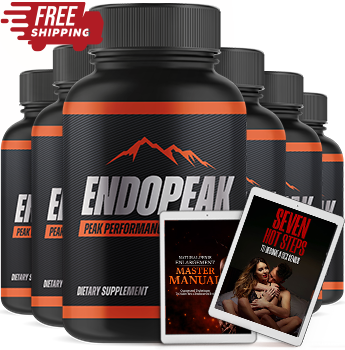
Myth #3: “Libido problems are just part of getting older”
Fact: While some decline is normal, significant loss of desire often signals addressable issues. Many men in their 60s and beyond maintain healthy sex drives because they’ve prioritized the factors that support it.
Myth #4: “More testosterone always means more libido”
Fact: The relationship between testosterone and libido isn’t linear. Research published in the Journal of Clinical Endocrinology & Metabolism shows that above a certain threshold, additional testosterone doesn’t necessarily increase desire. Other factors become rate-limiting.
Myth #5: “Quick fixes work”
Fact: Those “instant results” products you see advertised? They’re either ineffective, potentially dangerous, or both. Sustainable improvements take time because you’re optimizing biological systems, not flipping a switch.
How Testosterone Impacts Sexual Health (And What Actually Works)
Understanding testosterone’s role helps you make informed decisions about supporting it naturally.
The Testosterone-Libido Connection
Testosterone influences libido through multiple pathways:
- Direct brain effects: Testosterone receptors in the brain’s limbic system regulate desire and arousal
- Nitric oxide production: Testosterone supports the enzyme that produces nitric oxide, essential for erections
- Mood and energy: Low testosterone correlates with fatigue and depression, both libido killers
- Body composition: Testosterone helps maintain muscle and reduces fat, which influences hormone balance
What Actually Supports Healthy Testosterone?
Resistance training: Multiple studies confirm that compound exercises (squats, deadlifts, bench press) stimulate testosterone production. The effect is most pronounced with heavier weights and shorter rest periods.
Sleep optimization: Testosterone production peaks during deep sleep. Men sleeping less than 5 hours show testosterone levels 10-15% lower than those sleeping 7-8 hours, according to NIH research.
Nutrient adequacy: Zinc, vitamin D, and magnesium are critical for testosterone synthesis. Deficiencies in any can suppress production.
Stress management: Chronic stress elevates cortisol, which directly antagonizes testosterone production and function.
Body fat reduction: Fat tissue contains aromatase, an enzyme that converts testosterone to estrogen. Reducing excess body fat can improve your testosterone-to-estrogen ratio.
Natural Libido Boosters: Ingredients Backed by Research
Not all “natural” ingredients are created equal. Here’s what the science actually supports:
Tongkat Ali (Eurycoma longifolia)
This Southeast Asian herb has the strongest evidence base among natural libido enhancers. A 2012 study in the journal Andrologia found that 200mg daily significantly improved erectile function scores and sexual desire. It appears to work by supporting free testosterone levels and reducing cortisol.
Maca Root (Lepidium meyenii)
Peruvian maca has been used traditionally for centuries. Modern research supports its reputation—a systematic review found consistent improvements in sexual desire, though the mechanism isn’t fully understood (it doesn’t appear to directly raise testosterone). Effective doses range from 1,500-3,000mg daily.
L-Citrulline
This amino acid converts to L-arginine in the body, boosting nitric oxide production. Since nitric oxide is essential for healthy blood flow and erectile function—and production declines with age—L-citrulline supplementation can support vascular health in ways that benefit sexual function. Studies show 1,500mg daily can improve erection hardness in men with mild erectile difficulties.
Ashwagandha (Withania somnifera)
This adaptogenic herb addresses libido from the stress angle. By reducing cortisol and supporting testosterone production, ashwagandha tackles two factors simultaneously. Research shows benefits at 600mg daily of a concentrated extract.
Fenugreek
Studies suggest fenugreek may help maintain healthy testosterone levels by inhibiting enzymes that convert testosterone to estrogen. A 12-week study showed improvements in sexual function and libido at 600mg daily.
How These Ingredients Work Together
The most effective natural supplements combine multiple evidence-backed ingredients that address different pathways. For instance,
formulates several of these research-supported compounds together, targeting hormonal support, blood flow, and stress response simultaneously. This multi-pathway approach often proves more effective than single-ingredient solutions.Lifestyle Factors That Sabotage Your Sex Drive
Remember that 70% statistic? Here’s where it comes from.
Sleep Deprivation
This might be the single biggest libido killer that men overlook. Poor sleep:
- Reduces testosterone production by 10-15%
- Increases cortisol (stress hormone)
- Impairs dopamine function
- Causes fatigue that makes sex seem like work
Action step: Prioritize 7-8 hours of quality sleep. Address sleep apnea if present—it’s remarkably common in men over 40 and devastates both testosterone and sexual function.
Chronic Stress
Your body can’t distinguish between deadline pressure and lion attacks. Chronic stress keeps cortisol elevated, which:
- Directly suppresses testosterone production
- Reduces libido as a biological “priority shift”
- Contributes to erectile dysfunction
- Creates relationship tension
Action step: Implement daily stress management—even 10 minutes of meditation, deep breathing, or walking in nature makes measurable differences.
Poor Diet
What you eat affects everything about sexual health:
- Excess sugar and processed foods promote inflammation and insulin resistance
- Inadequate protein limits hormone production
- Insufficient healthy fats impair hormone synthesis
- Micronutrient deficiencies (zinc, vitamin D, B vitamins) directly impact sexual function
Action step: Focus on whole foods, adequate protein, healthy fats, and colorful vegetables. Consider whether you’re getting enough zinc (found in oysters, beef, pumpkin seeds) and vitamin D (sunlight, fatty fish, supplements).
Sedentary Lifestyle
Movement isn’t optional for sexual health:
- Exercise improves blood flow and nitric oxide production
- Resistance training boosts testosterone
- Physical fitness correlates directly with sexual function
- Sitting compresses blood flow to the pelvic region
Action step: Combine resistance training 2-3 times weekly with regular movement throughout your day.
Excessive Alcohol
A drink or two might lower inhibitions, but regular excess:
- Suppresses testosterone production
- Impairs liver function (affecting hormone metabolism)
- Damages blood vessels over time
- Causes acute erectile difficulties
Action step: Limit alcohol to moderate consumption—if you’re experiencing libido issues, consider a 30-day break to assess the impact.
Comparing Top Male Enhancement Approaches in 2026
| Approach | Effectiveness | Safety | Cost | Time to Results | Best For |
|---|---|---|---|---|---|
| Lifestyle Optimization | High (addresses root causes) | Very High | Low | 4-8 weeks | Everyone; foundational approach |
| Evidence-Based Supplements (e.g., EndoPeak) | Moderate-High (supports natural function) | High (quality products) | Moderate ($40-70/month) | 2-6 weeks | Men wanting natural support alongside lifestyle changes |
| Testosterone Replacement Therapy | High | Moderate (requires monitoring) | High | 2-4 weeks | Men with clinically low testosterone confirmed by testing |
| PDE5 Inhibitors (Viagra, etc.) | High for erections | Moderate (side effects possible) | Moderate-High | Immediate | Erectile dysfunction specifically; doesn’t address desire |
| Unproven “Enhancement” Products | Low-None | Low (often untested) | Variable | N/A | Nobody—avoid these |
Key Takeaways from This Comparison
- Start with lifestyle factors—they’re free, safe, and address root causes
- Quality supplements can accelerate progress when combined with lifestyle optimization
- Medical interventions have their place but aren’t first-line approaches for most men
- Avoid anything promising instant or miraculous results—if it sounds too good to be true, it is
Red Flags: When Low Libido Signals Health Issues
Sometimes decreased sexual drive indicates underlying health conditions that require medical attention. See a healthcare provider if you experience:
Sudden or Dramatic Changes
A gradual decline is normal; a sudden drop isn’t. Rapid changes in libido can signal:
- Hormonal disorders
- Medication side effects
- Neurological issues
- Cardiovascular problems
Associated Symptoms
Low libido combined with these symptoms warrants evaluation:
- Unexplained fatigue
- Depression or mood changes
- Difficulty concentrating
- Loss of morning erections
- Breast tissue growth
- Significant weight changes
Erectile Dysfunction
While occasional difficulties are normal, consistent erectile problems—especially in men under 50—often indicate vascular issues. Since the blood vessels supplying the penis are smaller than coronary arteries, erectile dysfunction can be an early warning sign of cardiovascular disease. The Mayo Clinic recommends cardiovascular evaluation for men experiencing erectile dysfunction.
Chronic Health Conditions
Conditions like diabetes, obesity, sleep apnea, and thyroid disorders frequently impact sexual function. Managing these conditions often improves libido as a secondary benefit.
Bottom line: Don’t assume low libido is “just aging.” Get checked out, especially if other symptoms accompany it.
FAQ: Your Top Questions About Libido Boosters Answered
How long does it take for natural libido boosters to work?
Most men notice initial improvements within 2-4 weeks when using evidence-based supplements consistently. However, full benefits typically develop over 6-12 weeks as your body’s systems optimize. Lifestyle changes may take 4-8 weeks to show significant effects. Patience and consistency matter more than any single intervention.
Are libido supplements safe to take with medications?
This depends entirely on the specific supplement and medication. Certain herbal compounds can interact with blood pressure medications, blood thinners, and other drugs. Always consult your healthcare provider before starting any supplement, especially if you take prescription medications. Quality products like EndoPeak provide ingredient transparency, making these conversations easier.
Can stress really cause low libido even with normal testosterone?
Absolutely. Chronic stress activates your sympathetic nervous system (fight-or-flight response), which physiologically suppresses sexual function. Your body essentially deprioritizes reproduction when it perceives threat or danger. Many men with normal testosterone levels experience low libido primarily due to stress. Addressing stress management often produces dramatic improvements.
What’s the difference between supplements and prescription medications for libido?
Prescription medications like Viagra target specific mechanisms (PDE5 inhibition for erections) and work quickly but don’t address underlying causes. Quality supplements support your body’s natural hormone production, blood flow, and stress response over time. They work differently—medications are interventions; supplements are optimization tools. For many men, combining foundational lifestyle changes with supportive supplements proves more sustainable than relying on medications alone.
At what age should men start paying attention to libido support?
Proactive attention makes sense starting in your early 30s, when testosterone decline begins. However, you don’t need supplements at this age—focusing on sleep, stress management, exercise, and nutrition provides a strong foundation. By your 40s, adding targeted nutritional support becomes more relevant for many men. The key is addressing factors early rather than waiting until problems become significant.
Creating Your Personalized Sexual Health Action Plan
Knowledge means nothing without implementation. Here’s how to build your personal strategy:
Step 1: Assess Your Current State (Week 1)
- Track your sleep quality and duration for one week
- Honestly evaluate your stress levels
- Review your exercise habits (or lack thereof)
- Consider your diet quality
- Note your alcohol and caffeine consumption
Step 2: Address the Foundation (Weeks 2-4)
- Prioritize 7-8 hours of sleep
- Implement one stress-management practice daily
- Begin or optimize a resistance training program
- Clean up your diet—focus on whole foods
- Moderate alcohol consumption
Step 3: Add Targeted Support (Week 4+)
Once your foundation is solid, consider adding an evidence-based supplement to accelerate your progress. Look for products containing research-backed ingredients like Tongkat Ali, Maca, and L-citrulline in effective doses.
Step 4: Monitor and Adjust (Ongoing)
- Track improvements in energy, mood, and desire
- Adjust lifestyle factors based on what works for you
- Consult a healthcare provider if you’re not seeing progress after 8-12 weeks
Step 5: Maintain for the Long Term
Sexual health isn’t a destination—it’s an ongoing practice. The habits you build now will serve you for decades.
Take Action Today
If you’ve read this far, you’re serious about improving your sexual health. That matters, because meaningful change requires understanding and commitment.
Here’s the reality: no supplement, medication, or quick fix will work as well as addressing the fundamentals—sleep, stress, exercise, and nutrition. But once those foundations are in place, targeted supplementation can provide meaningful additional support.
EndoPeak combines several of the research-backed ingredients discussed in this guide—compounds like Tongkat Ali and other evidence-based nutrients—in a formulation designed to support your body’s natural processes. It’s not magic, but when combined with the lifestyle strategies outlined above, it can be a valuable part of your sexual health optimization plan.
Your sex drive isn’t something that just happens to you. With the right knowledge and consistent action, you have more control over it than you might think. Start with one change today. Build from there. And give your body the support it needs to function at its best—naturally.
📚 Related Articles on Sexual Health
This article is for informational purposes only. Always consult a qualified healthcare professional before starting any supplement or treatment.
This article contains affiliate links. We may earn a commission at no extra cost to you.