
Weight Loss Supplements Guide: Facts, Myths & Results 2026
This article is for informational purposes only. Always consult a qualified healthcare professional before starting any supplement or treatment.
This article contains affiliate links. We may earn a commission at no extra cost to you.
📋 Quick Summary
Weight loss supplements can play a supporting role in your journey, but they’re not magic pills. The science shows certain ingredients—like green tea extract, capsaicin, and fiber-based compounds—may boost metabolism by 5-10% and support fat burning. However, the FDA doesn’t pre-approve these products, making third-party testing essential. This guide breaks down what actually works, what’s dangerous hype, and how to create a realistic strategy that combines proven supplements with sustainable lifestyle changes. Bottom line: supplements work best as part of a comprehensive approach, not as a replacement for healthy habits.
If you’re reading this, you’ve probably tried everything. The restrictive diets that left you exhausted. The exercise programs you couldn’t maintain with your busy schedule. The promising products that delivered disappointing results.
You’re not alone. And more importantly, you’re not failing—you’ve just been navigating a confusing landscape filled with misinformation, exaggerated marketing claims, and one-size-fits-all solutions that ignore your unique biology.
The truth about weight loss supplements in 2026 is more nuanced than either the skeptics or the salespeople would have you believe. Some ingredients have genuine scientific backing. Others are complete nonsense. And knowing the difference can save you money, protect your health, and actually help you reach your goals.
Let’s cut through the noise together.
How Weight Loss Supplements Actually Work (The Science)
Before spending another dollar on supplements, you deserve to understand exactly how they work—or claim to work—in your body.
Weight loss supplements generally target one or more of these mechanisms:
Thermogenesis Enhancement
Thermogenesis is your body’s process of generating heat, which burns calories. Certain compounds can increase this process, effectively raising your metabolic rate.
According to research published through the National Institutes of Health (NIH), thermogenic ingredients like capsaicin (from chili peppers) and green tea extract (specifically EGCG) can increase daily calorie expenditure by approximately 5-10%. That might sound modest, but over weeks and months, this can translate to meaningful results—especially when combined with other healthy habits.
For a 2,000-calorie daily metabolism, that’s an extra 100-200 calories burned without additional effort. Over a month, that could equal nearly a pound of fat loss from thermogenesis alone.
Appetite Regulation
Some supplements work by helping you feel fuller longer or reducing cravings. Fiber-based ingredients like glucomannan expand in your stomach, creating a sense of satiety. Others may influence hunger hormones like ghrelin and leptin.
The Mayo Clinic notes that sustainable weight management often comes down to managing hunger effectively—and certain supplements can provide legitimate support here.
Metabolic Support
Your metabolism isn’t just about burning calories. It’s a complex system involving blood sugar regulation, insulin sensitivity, hormone balance, and cellular energy production. Quality supplements often include ingredients that support these underlying processes rather than just forcing your body to burn more fuel.
Fat Oxidation
Some ingredients help your body become more efficient at using stored fat for energy. This is particularly relevant for stubborn fat areas that seem resistant to traditional diet and exercise approaches.
Common Weight Loss Myths Debunked by Research
Let’s address the elephants in the room—the persistent myths that waste your money and set you up for disappointment.
Myth #1: “Supplements Can Replace Diet and Exercise”
The Truth: No supplement, no matter how effective, can overcome a consistently poor diet or sedentary lifestyle. The NIH is clear: supplements are meant to supplement healthy behaviors, not replace them. Anyone telling you otherwise is either misinformed or trying to sell you something.
Myth #2: “Natural Means Safe”
The Truth: Arsenic is natural. So is poison ivy. “Natural” ingredients can still cause side effects, interact with medications, or be dangerous in high doses. Always research ingredients and check for third-party testing.
Myth #3: “Fast Results = Better Product”
The Truth: Rapid weight loss (more than 2-3 pounds per week after the initial water weight phase) often indicates muscle loss, dehydration, or metabolic damage—not genuine fat loss. Sustainable results take time, and any product promising 10+ pounds in a week is raising red flags.
Myth #4: “One Pill Fits All”
The Truth: Your metabolism, hormones, stress levels, sleep quality, and even gut microbiome affect how you respond to supplements. What works beautifully for your friend might do nothing for you. Personalization matters.
Myth #5: “The FDA Approved This Supplement”
The Truth: Here’s something crucial: the FDA does not approve dietary supplements before they hit the market. Unlike prescription drugs, supplements can be sold without proving safety or efficacy to the FDA. This makes third-party testing certifications (like NSF, USP, or ConsumerLab) and transparent ingredient sourcing absolutely critical for your safety.
Understanding Fat Burners vs. Metabolism Boosters
These terms get thrown around interchangeably, but they’re actually different categories with distinct mechanisms.
Fat Burners
Fat burners primarily focus on increasing lipolysis—the breakdown of stored fat cells—and thermogenesis. Common ingredients include:
- Caffeine: Stimulates the central nervous system, increases adrenaline, and mobilizes fatty acids
- Green Tea Extract (EGCG): Enhances fat oxidation and has antioxidant benefits
- Capsaicin: Activates thermogenesis through heat generation
- L-Carnitine: Helps transport fatty acids into mitochondria for energy production
Fat burners tend to provide more immediate, noticeable effects (increased energy, warmth, alertness) but may cause jitters or sleep disruption in sensitive individuals.
Metabolism Boosters
Metabolism boosters take a broader approach, supporting the underlying systems that determine how efficiently your body processes energy. Ingredients often include:
- B Vitamins: Essential for energy metabolism at the cellular level
- Chromium: Supports healthy blood sugar regulation
- Adaptogens: Help manage cortisol and stress response
- Thyroid-supporting minerals: Like selenium and iodine
Products like
aim to combine both approaches—using thermogenic ingredients alongside metabolism-supporting compounds for a more comprehensive effect.Which Is Right for You?
If you’re sensitive to stimulants or have anxiety, a pure fat burner might feel too intense. If you’re dealing with fatigue alongside weight struggles, metabolism boosters that address energy production might be more appropriate. Many people find combination formulas offer the best of both worlds.
Stubborn Belly Fat: Why It’s Different & How to Target It
Let’s talk about the fat that frustrates you most: that stubborn belly area that seems immune to your efforts.
There’s actual science explaining why this happens, and understanding it can change your approach entirely.
The Visceral Fat Factor
Belly fat isn’t just subcutaneous fat (the pinchable kind). It includes visceral fat—the deep fat surrounding your organs. This type of fat is metabolically active and behaves differently than fat on your thighs or arms.
Research shows that visceral fat has a higher density of cortisol receptors. This means when you’re stressed, your body preferentially stores fat in the abdominal area. It’s not your imagination—stress literally reshapes your body composition.
The Insulin Connection
Belly fat is also closely tied to insulin sensitivity. When your cells become resistant to insulin, your body produces more of it—and elevated insulin levels promote fat storage, particularly around the midsection.
This is why targeting belly fat often requires more than just calorie reduction. Supporting healthy blood sugar regulation and insulin sensitivity can be game-changing.
What Actually Helps
Beyond the obvious (reducing chronic stress, improving sleep), certain supplement ingredients show promise for addressing belly fat specifically:
- Berberine: Research published on the NIH database shows this compound may support healthy blood sugar and insulin response
- Fiber supplements: Help regulate blood sugar spikes after meals
- Adaptogens like ashwagandha: May help moderate cortisol levels
- Green tea extract: Some studies suggest it may preferentially target abdominal fat
Best Diet Pills 2026: Ingredient Analysis & Safety
With countless products on the market, how do you evaluate what’s worth your money—and safe for your body?
Ingredients With Clinical Support
| Ingredient | Evidence Level | Primary Mechanism | Considerations |
|---|---|---|---|
| Green Tea Extract (EGCG) | Strong | Thermogenesis, fat oxidation | Generally safe; watch caffeine content |
| Glucomannan | Moderate | Appetite suppression via fiber | Take with water; may affect medication absorption |
| Caffeine | Strong | Energy, thermogenesis, appetite | Can cause jitters; builds tolerance |
| Capsaicin | Moderate | Thermogenesis | May cause digestive discomfort |
| Chromium Picolinate | Moderate | Blood sugar support | Generally safe at recommended doses |
| Conjugated Linoleic Acid (CLA) | Mixed | Fat metabolism | Long-term safety data limited |
| Berberine | Moderate | Insulin sensitivity | Can interact with medications |
Red Flag Ingredients to Avoid
- Ephedra/Ephedrine: Banned in the US for serious cardiovascular risks
- DMAA: Linked to heart attacks and strokes
- Hidden pharmaceutical ingredients: Some supplements illegally contain drug compounds
- Proprietary blends with no dosages listed: You can’t evaluate safety if you don’t know how much you’re taking
What to Look For
- Third-party testing certification (NSF, USP, ConsumerLab)
- Transparent ingredient labels with specific dosages
- Manufacturing in GMP-certified facilities
- Company transparency about sourcing and testing
- Realistic marketing claims (beware of “miracle” language)
Comparing Top Weight Loss Supplements (VolcaBurn, Fast Lean Pro, KeySlim, SlimLeaf)
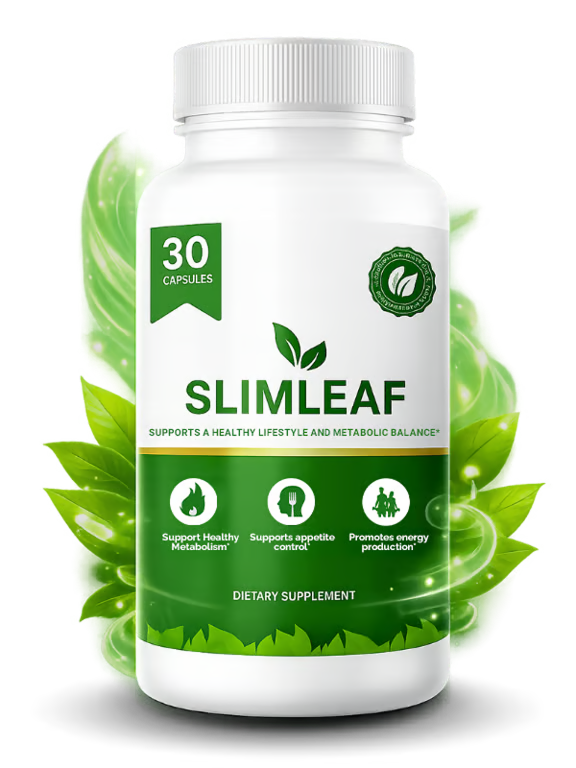
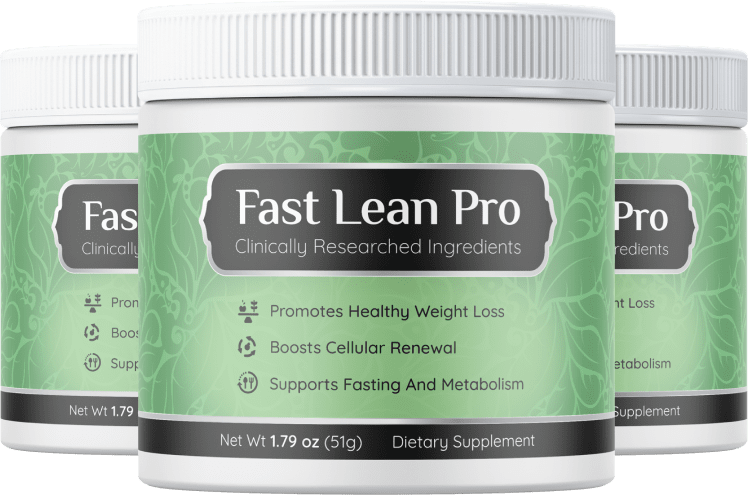
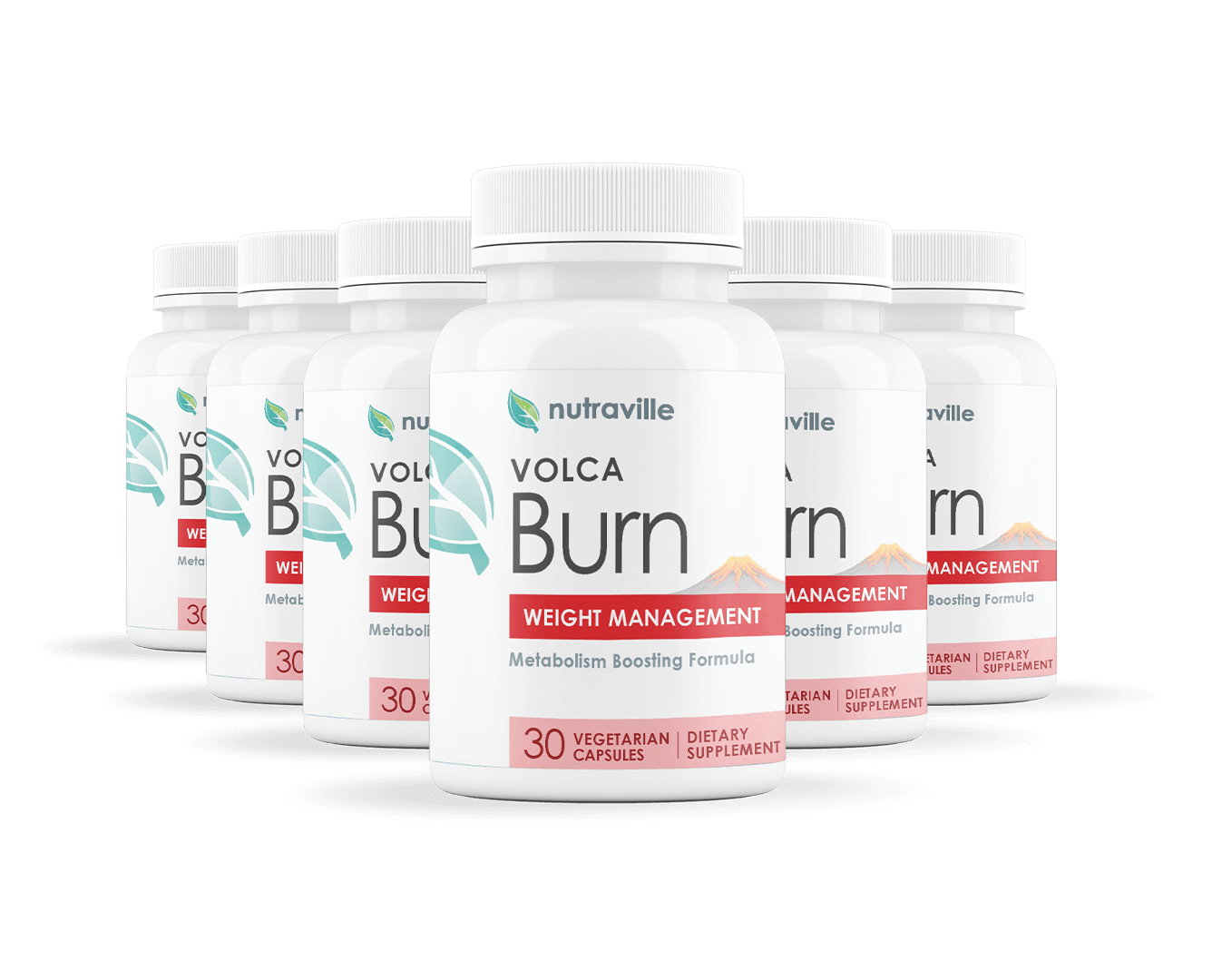
Let’s analyze four popular supplements on the market in 2026:
| Product | Primary Mechanism | Key Ingredients | Third-Party Tested | Stimulant Level | Price Range | Best For |
|---|---|---|---|---|---|---|
| VolcaBurn | Thermogenesis + Metabolic Support | Volcanic minerals, metabolism-boosting compounds | Yes | Moderate | $$ | Those wanting comprehensive metabolic support |
| Fast Lean Pro | Cellular metabolism | Fasting-mimicking compounds | Limited info | Low | $$$ | Intermittent fasters |
| KeySlim | Appetite suppression | Fiber complex, mood support | Yes | Low | $$ | Emotional eaters |
| SlimLeaf | Plant-based fat burning | Herbal extracts | Limited info | High | $ | Stimulant-tolerant users on budget |
Detailed Analysis
VolcaBurn stands out for its combination approach, addressing both thermogenesis and underlying metabolic function. The inclusion of volcanic-derived minerals provides trace elements often missing from modern diets, while the thermogenic blend supports increased calorie burn. Users report steady energy without the crash associated with high-stimulant products.
Fast Lean Pro markets itself to the intermittent fasting community, claiming to enhance the benefits of fasting windows. The science here is newer, and long-term data is limited.
KeySlim focuses on the psychological aspects of eating, combining appetite suppression with mood-supporting ingredients. This could be valuable for stress eaters but may not address metabolic factors.
SlimLeaf offers a budget-friendly option with straightforward herbal stimulants. However, the high stimulant content isn’t appropriate for everyone, and manufacturing transparency is limited.
FAQ: Your Weight Loss Supplement Questions Answered
How long does it take to see results from weight loss supplements?
Most quality supplements require 4-8 weeks of consistent use alongside healthy habits to show meaningful results. Initial changes (energy, appetite) may appear within days, but measurable fat loss typically takes longer. Anyone promising dramatic results in days is misleading you.
Can I take weight loss supplements if I’m on medication?
This is critical: always consult your healthcare provider before combining supplements with medications. Many ingredients can interact with prescription drugs—for example, fiber supplements can affect medication absorption, and stimulants can interact with blood pressure or heart medications. WebMD maintains an interaction checker that can help, but a conversation with your doctor is essential.
Are weight loss supplements safe for long-term use?
It depends entirely on the ingredients. Some compounds (like green tea extract at reasonable doses) have been used safely for decades. Others lack long-term safety data. Look for products designed for sustained use rather than extreme short-term interventions, and consider cycling off periodically.
Do weight loss supplements work without exercise?
They can provide modest benefits without exercise, but results will be significantly better—and healthier—when combined with physical activity. Exercise does more than burn calories; it improves insulin sensitivity, builds metabolism-boosting muscle, and supports the hormonal environment needed for fat loss.
What’s the difference between prescription weight loss drugs and supplements?
Prescription medications (like semaglutide/Ozempic or similar drugs) undergo rigorous FDA testing, require a doctor’s supervision, and produce stronger effects—but also carry more significant side effects. Supplements are milder, available without prescription, but also less regulated. For some people, prescription options are appropriate; others prefer starting with gentler supplemental support.
Red Flags: When Supplements Are Dangerous
Protecting your health means knowing when to walk away from a product—or stop using one you’ve started.
Warning Signs in Marketing
- Promises of specific weight loss amounts (“Lose 30 pounds in 30 days!”)
- Claims to work without any lifestyle changes
- “Secret formulas” or “ancient secrets discovered”
- Before/after photos that look too dramatic or edited
- Fake celebrity endorsements
- Pressure tactics (“Only 3 bottles left!”)
Warning Signs in Your Body
Stop taking any supplement immediately and consult a doctor if you experience:
- Rapid or irregular heartbeat
- Chest pain or tightness
- Severe headaches
- Difficulty breathing
- Yellowing of skin or eyes (potential liver issues)
- Severe digestive distress
- Mood changes, anxiety, or depression
- Allergic reactions (rash, swelling, itching)
Products to Avoid Entirely
- Anything sold primarily through spam emails or shady websites
- Products with no clear manufacturer information
- Supplements requiring you to bypass normal retail channels
- Anything claiming to be a “pharmaceutical alternative” or containing “research chemicals”
Creating Your Complete Weight Loss Strategy
Here’s the truth that no supplement company wants to lead with: the most effective approach combines multiple strategies. Supplements can absolutely be part of your success—but they work best within a comprehensive framework.
The Foundation: Non-Negotiables
- Sleep: Poor sleep disrupts hunger hormones and promotes belly fat storage. Aim for 7-9 hours.
- Stress Management: Chronic stress elevates cortisol, promoting fat storage. Find what works for you—meditation, walking, hobbies.
- Hydration: Often confused with hunger. Adequate water supports every metabolic process.
- Protein Intake: Supports satiety and muscle preservation during fat loss.
The Lifestyle Layer
- Movement You Enjoy: Consistency beats intensity. Find activities you’ll actually do.
- Strength Training: Muscle is metabolically active tissue. Building it raises your baseline calorie burn.
- Sustainable Nutrition: Not a crash diet. An eating pattern you can maintain long-term.
The Supplement Layer
- Quality Over Quantity: One well-formulated supplement beats a cabinet full of cheap products.
- Strategic Timing: Some supplements work better at specific times (thermogenics in the morning, fiber before meals).
- Patience and Consistency: Give products adequate time to work before judging results.
Putting It All Together
When you’ve established solid foundations—decent sleep, managed stress, regular movement—adding a quality supplement like
can provide the extra metabolic support that helps push past plateaus.The goal isn’t perfection. It’s progress. Small, sustainable changes compound over time into transformational results.
Your Next Step
You’ve made it through the science, the myths, and the practical strategies. You understand what supplements can realistically do—and what they can’t.
If you’re ready to add evidence-based supplemental support to your weight loss journey, it’s worth exploring products that combine thermogenic benefits with comprehensive metabolic support.
Remember: the best supplement in the world won’t replace healthy habits, but the right formula can absolutely support and accelerate your progress. You’ve done the research. You understand the facts.
Now it’s time to take action.
Here’s to your health and success in 2026 and beyond.
Frequently Asked Questions
Do weight loss supplements actually work?
Some weight loss supplements with well-researched ingredients—such as caffeine, green tea extract, and glucomannan—can provide modest support when combined with diet and exercise. However, no supplement alone produces dramatic results without healthy lifestyle changes.
What are the most evidence-backed weight loss supplement ingredients?
Ingredients with the strongest scientific backing include caffeine, green tea extract (EGCG), glucomannan, conjugated linoleic acid (CLA), and protein supplements. These have demonstrated measurable effects on metabolism, appetite, or fat oxidation in clinical studies.
Are weight loss supplements safe to use?
Safety varies widely depending on the ingredients and dosages involved. Stimulant-heavy supplements can cause side effects like increased heart rate and anxiety, so it is essential to check labels carefully and consult a healthcare professional, especially if you have any underlying conditions.
What are common myths about weight loss supplements?
Common myths include the idea that supplements can replace diet and exercise, that ‘natural’ automatically means safe, and that results will be rapid and dramatic. In reality, supplements are at best a modest aid—sustainable weight loss requires consistent caloric balance and physical activity.
How much weight can I realistically expect to lose with supplements?
Clinical studies suggest that effective supplements may contribute an additional 2–5 lbs of weight loss over several months compared to diet and exercise alone. Realistic expectations are key—supplements are not a shortcut, but a potential adjunct to a healthy lifestyle.
📚 Related Articles on Weight Loss
This article is for informational purposes only. Always consult a qualified healthcare professional before starting any supplement or treatment.
This article contains affiliate links. We may earn a commission at no extra cost to you.